Torshavn
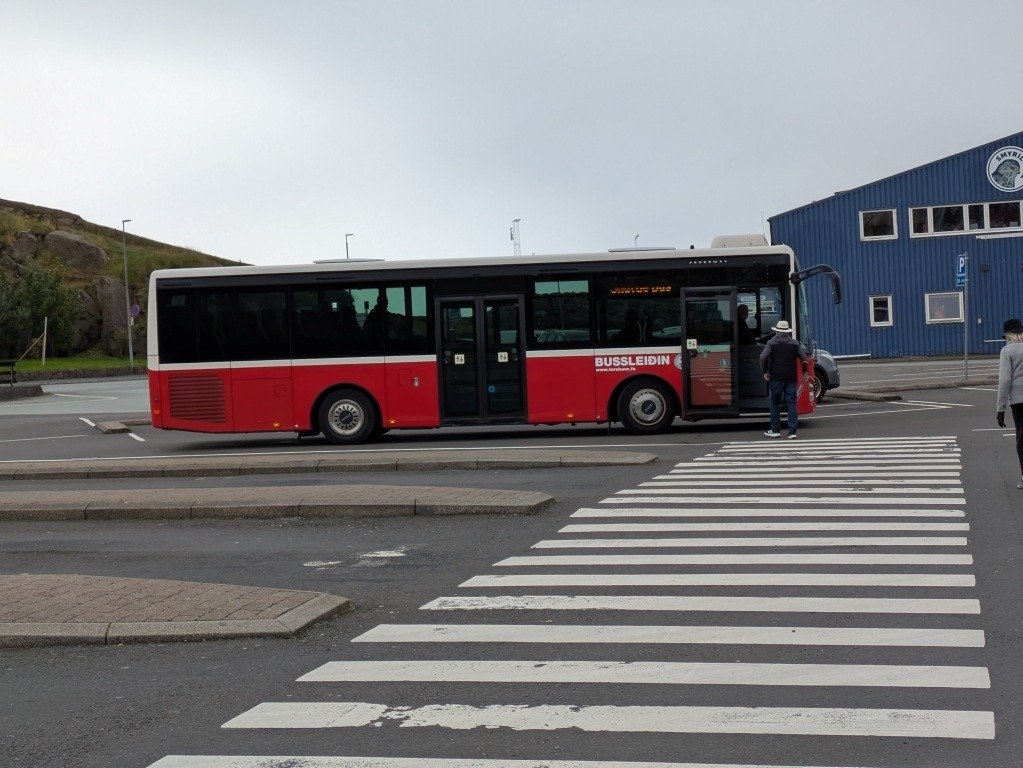
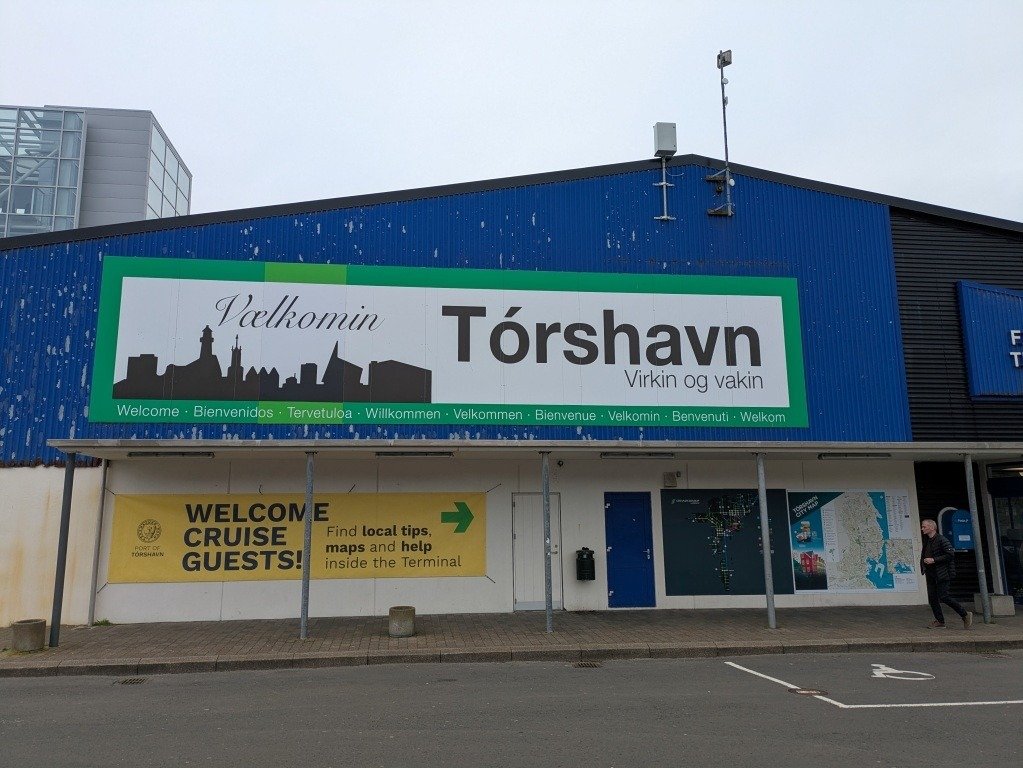
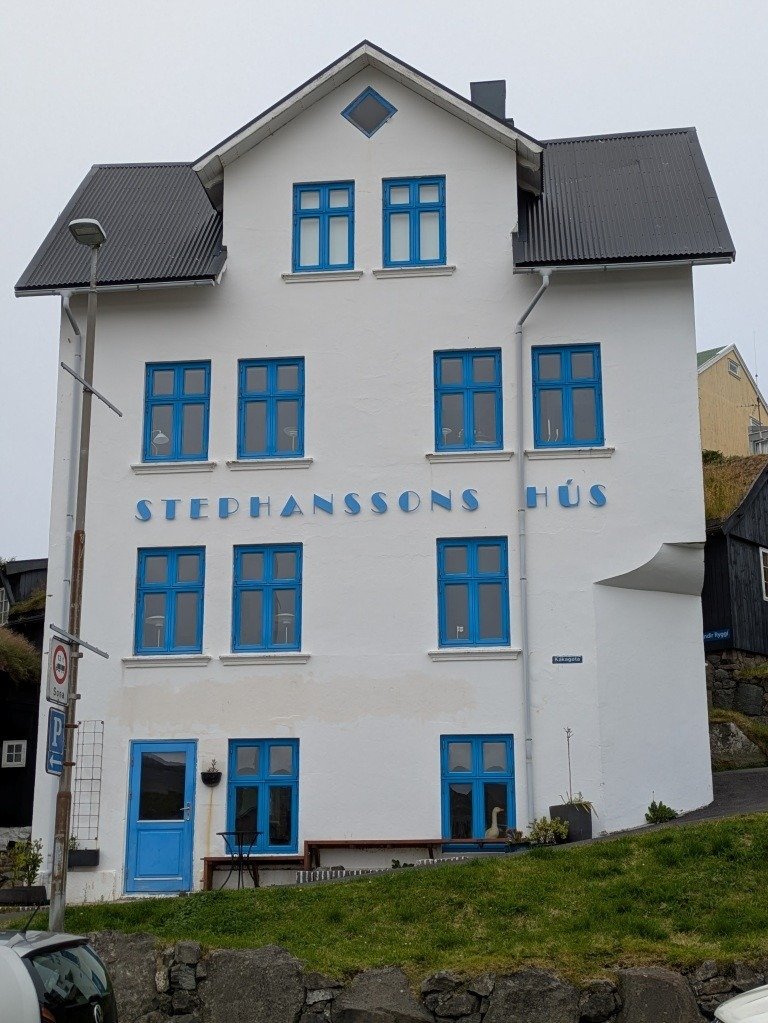
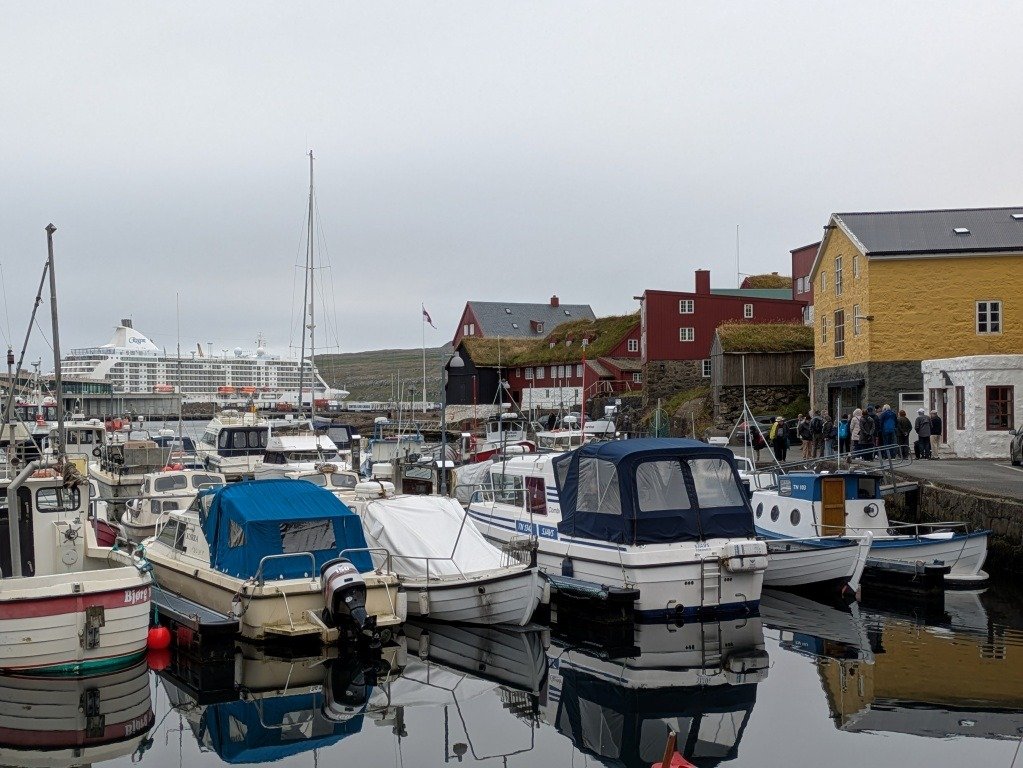
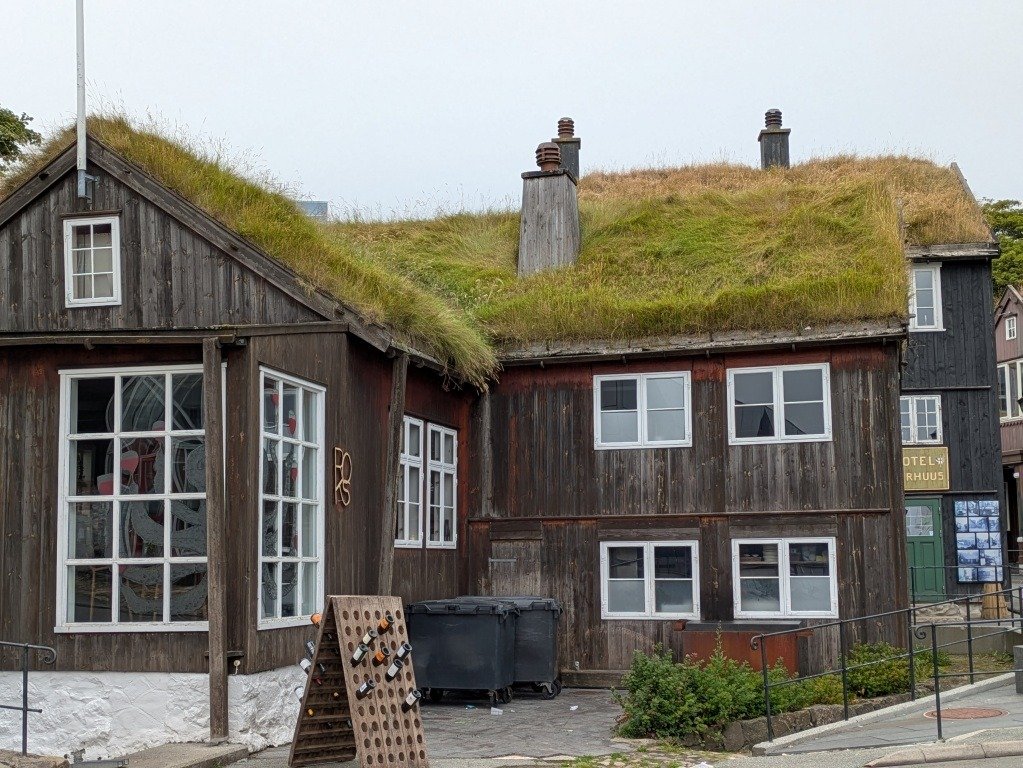
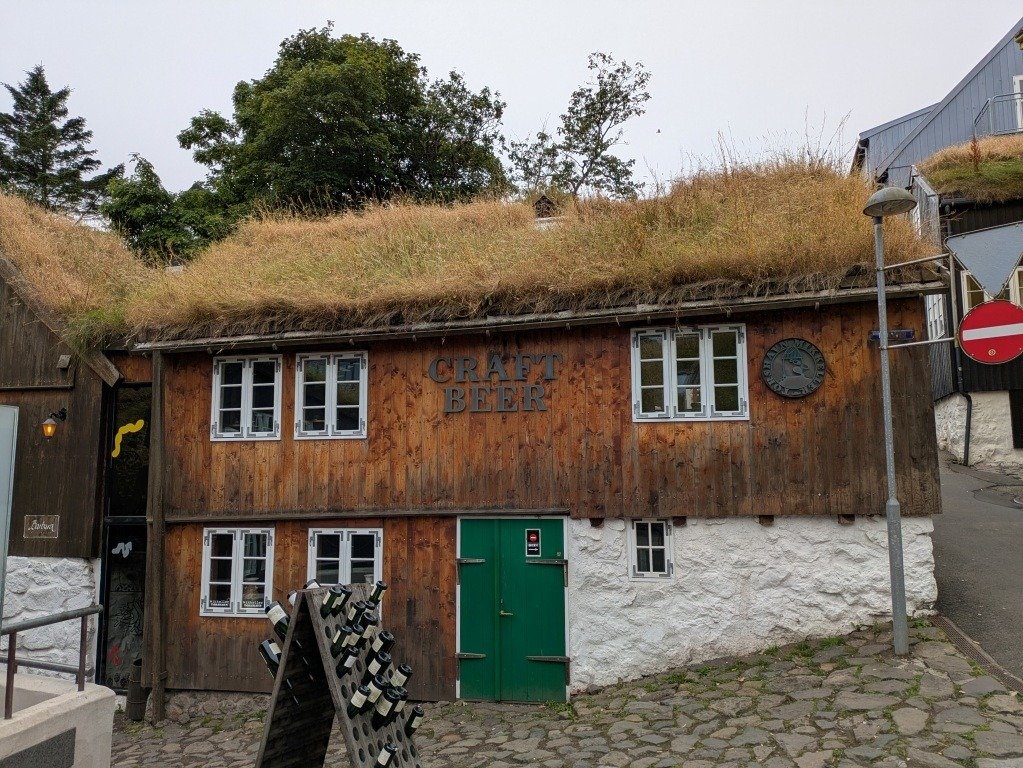
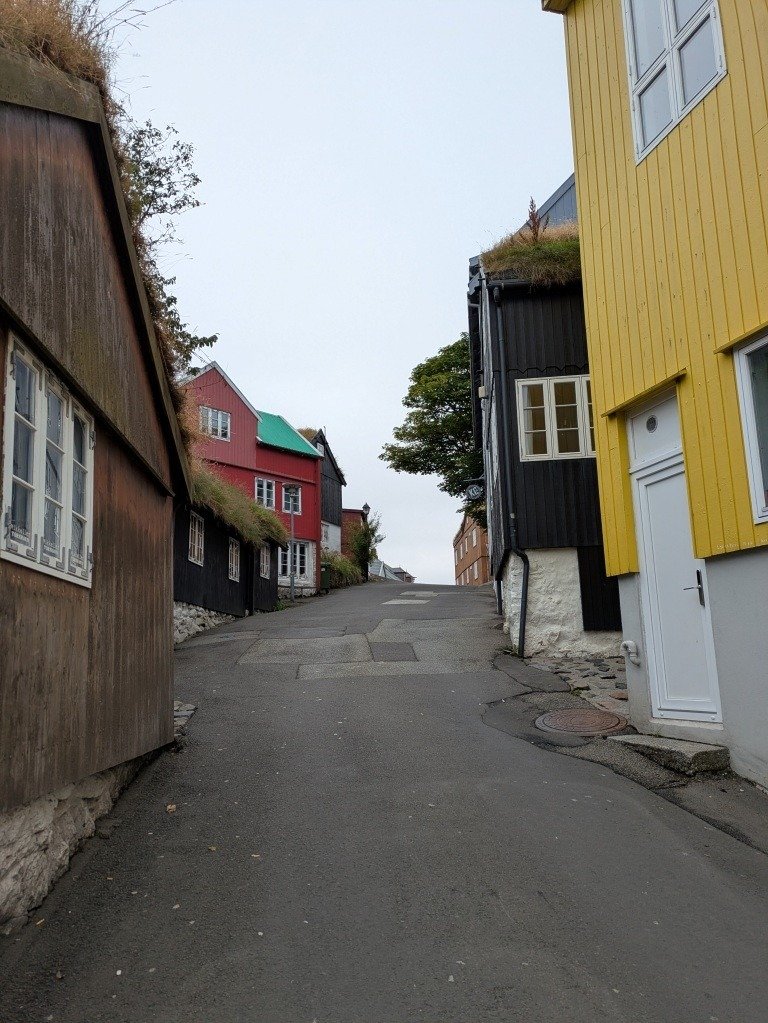
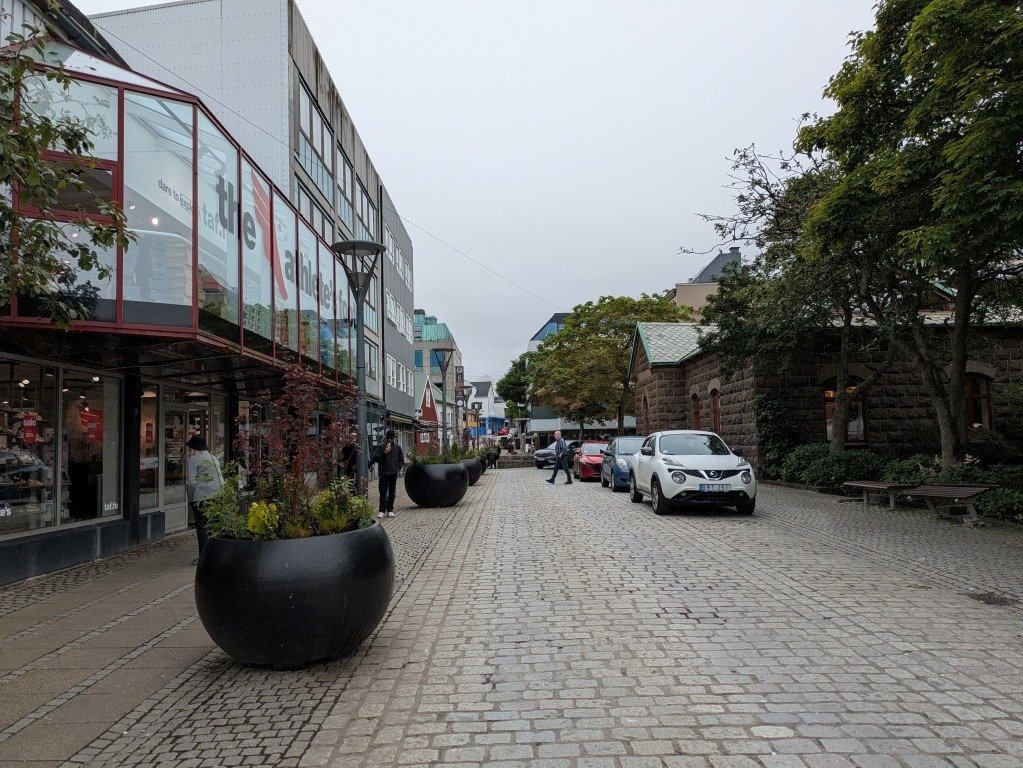
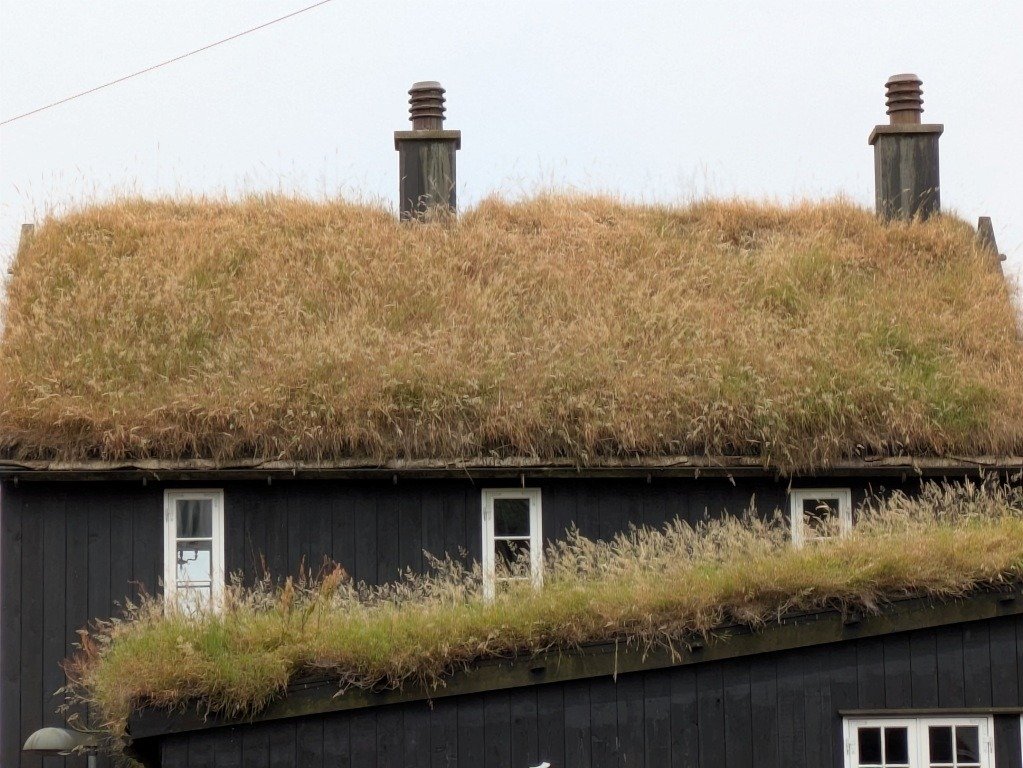
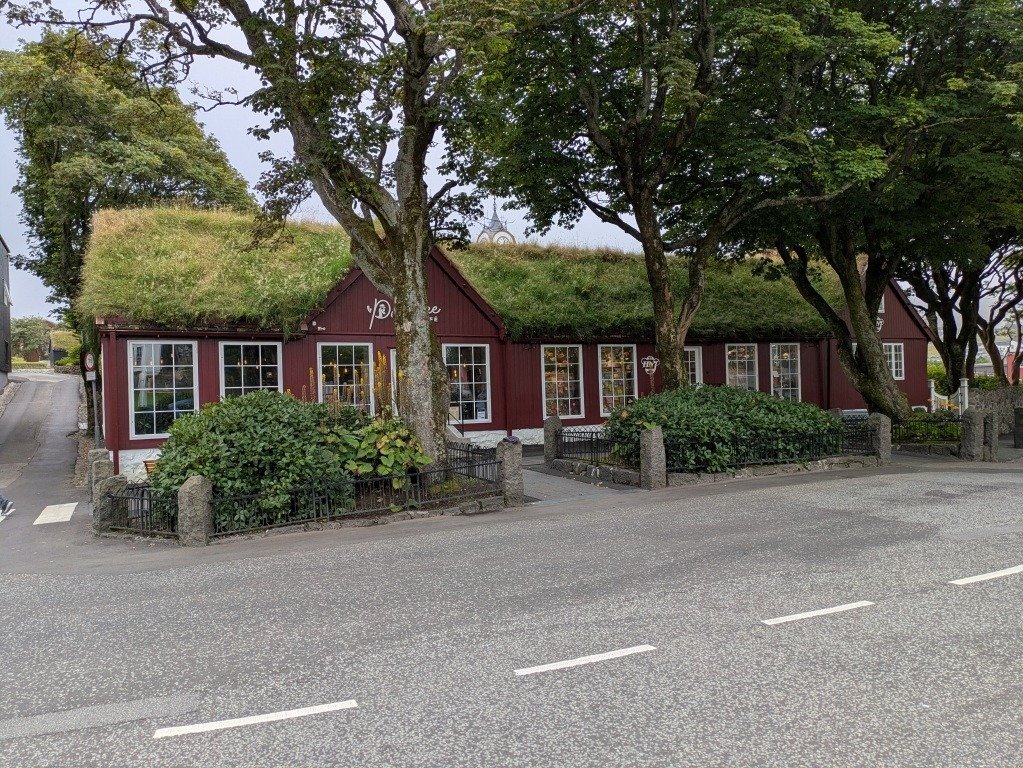
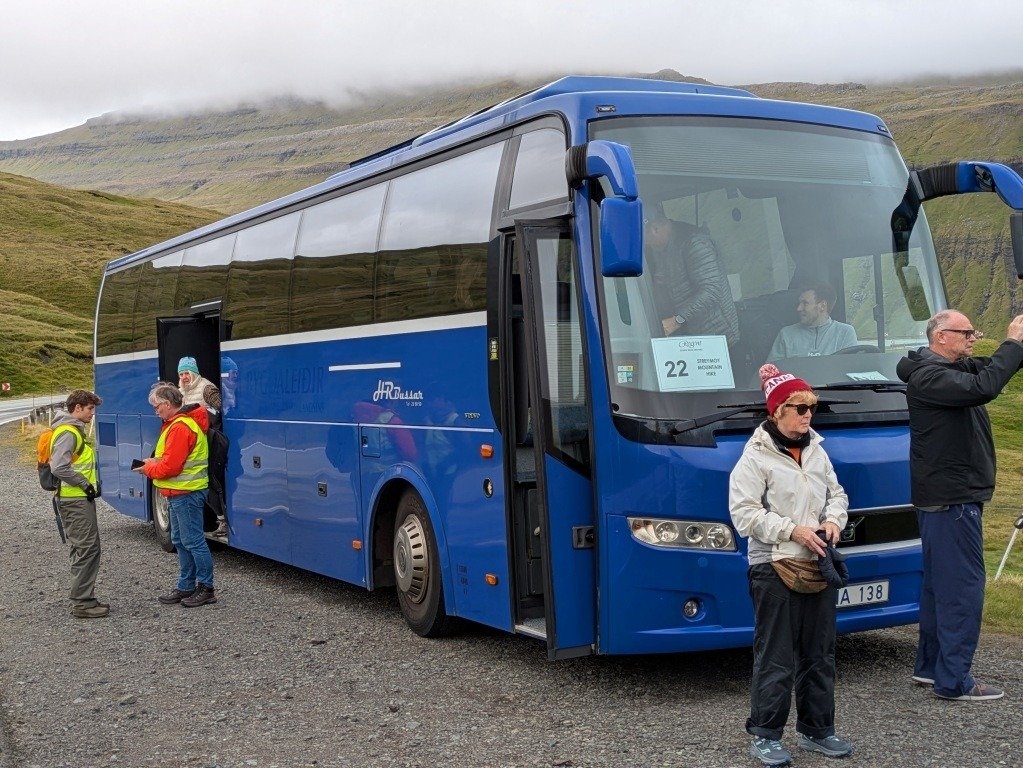
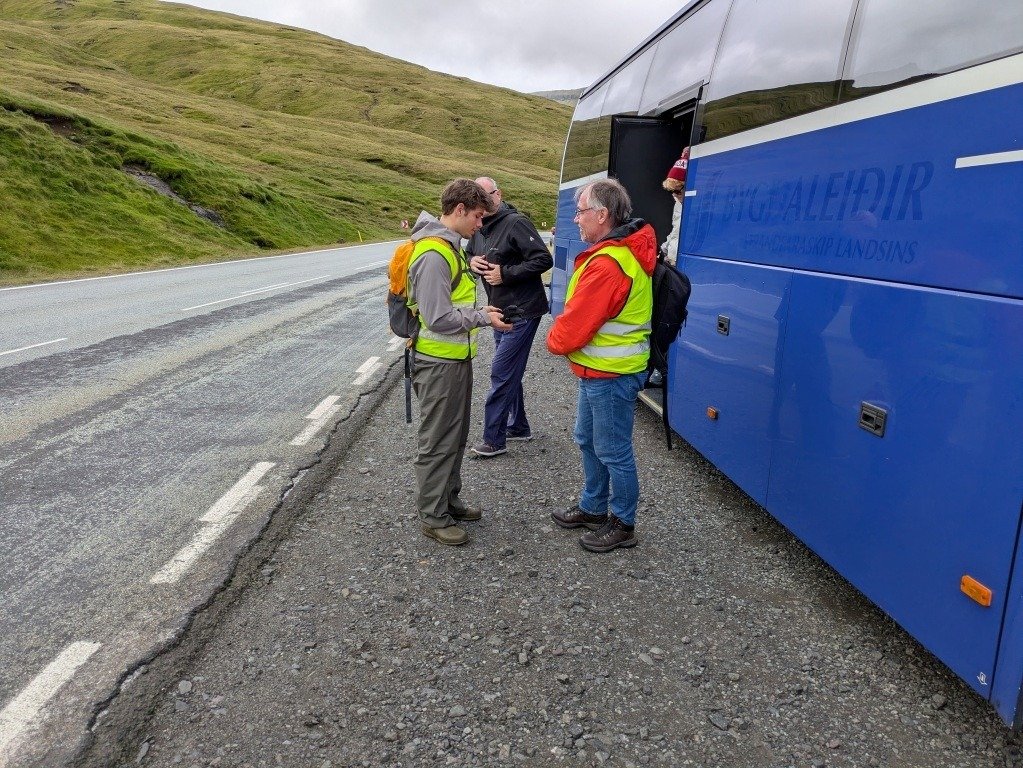
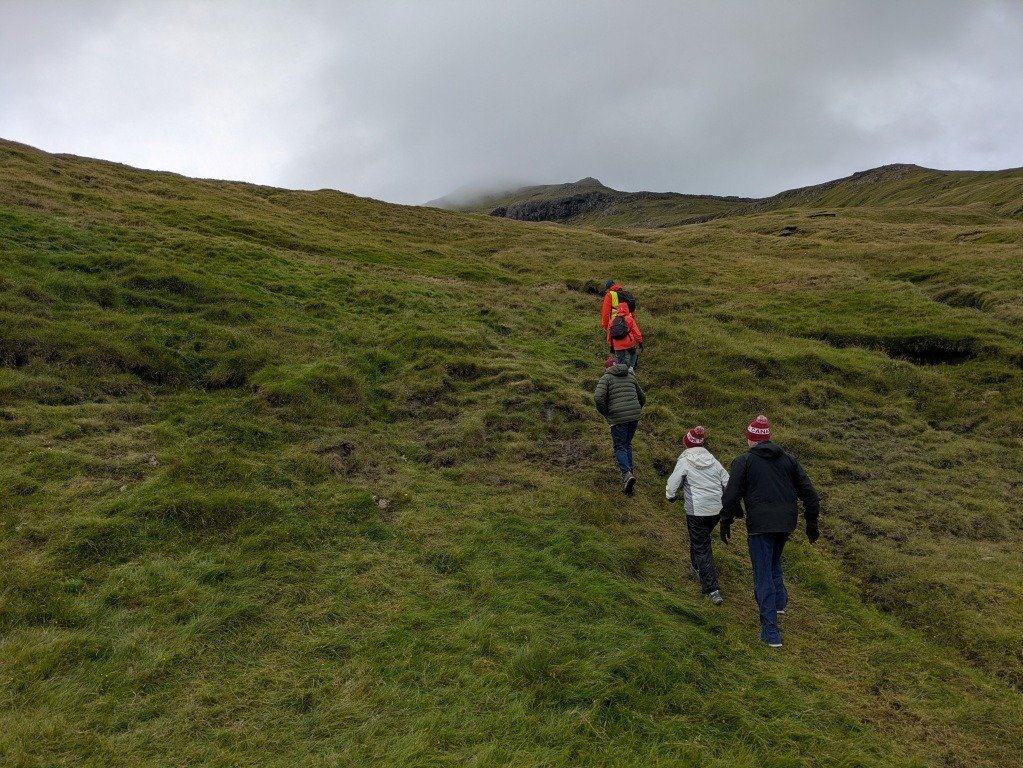
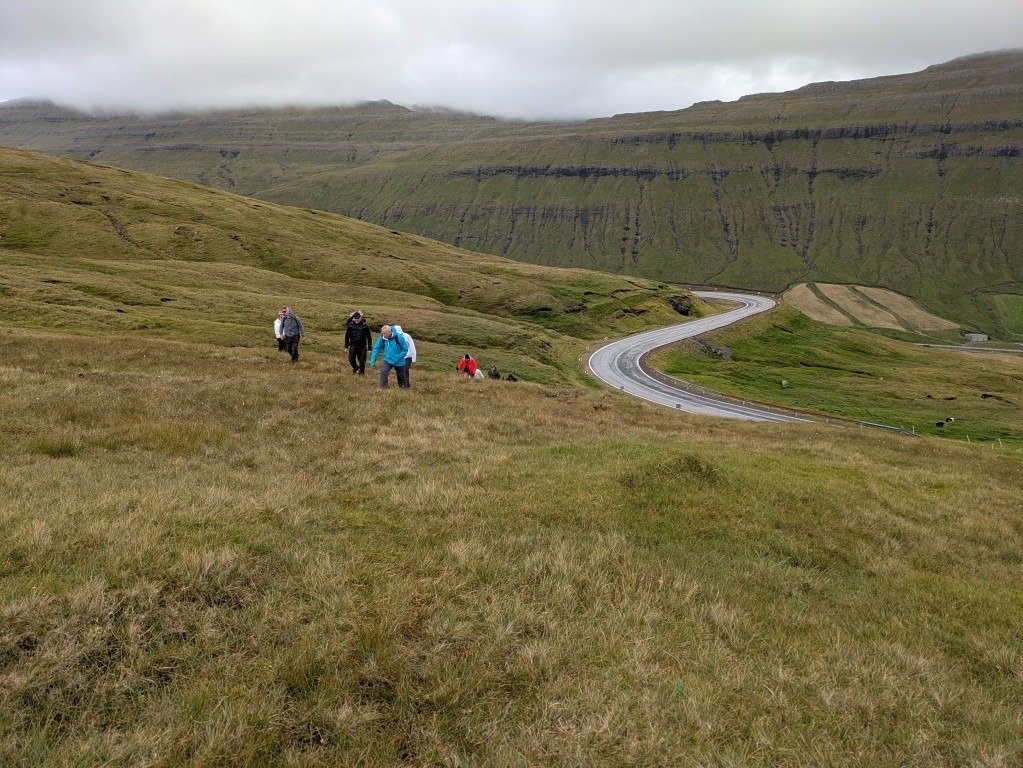
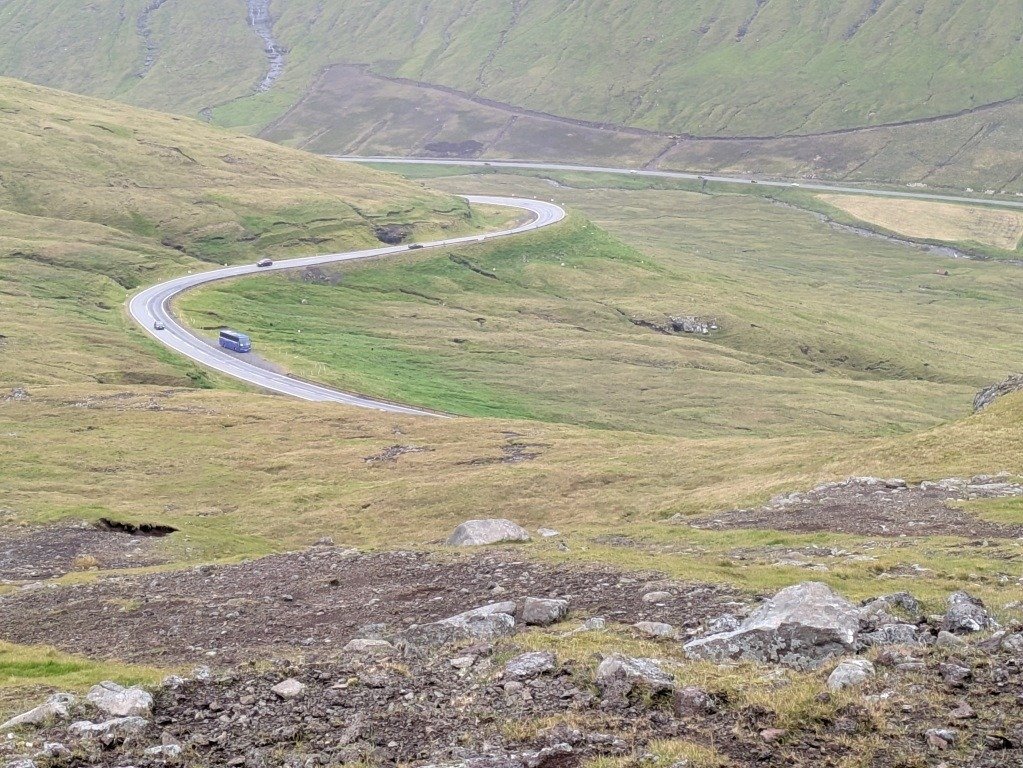
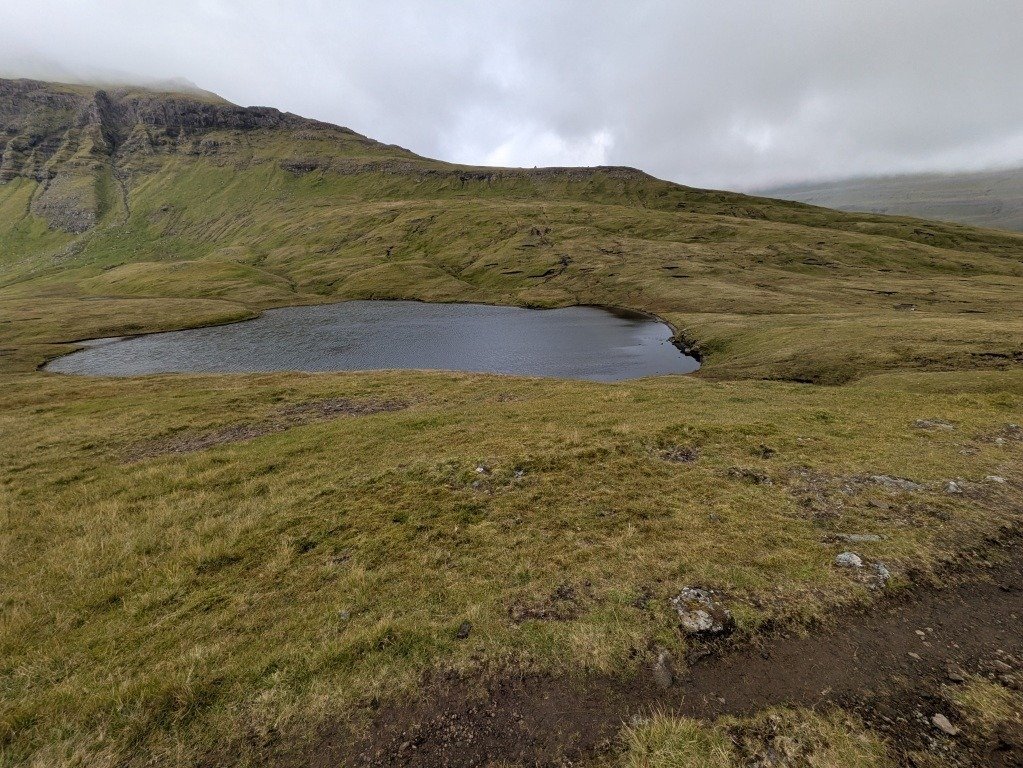
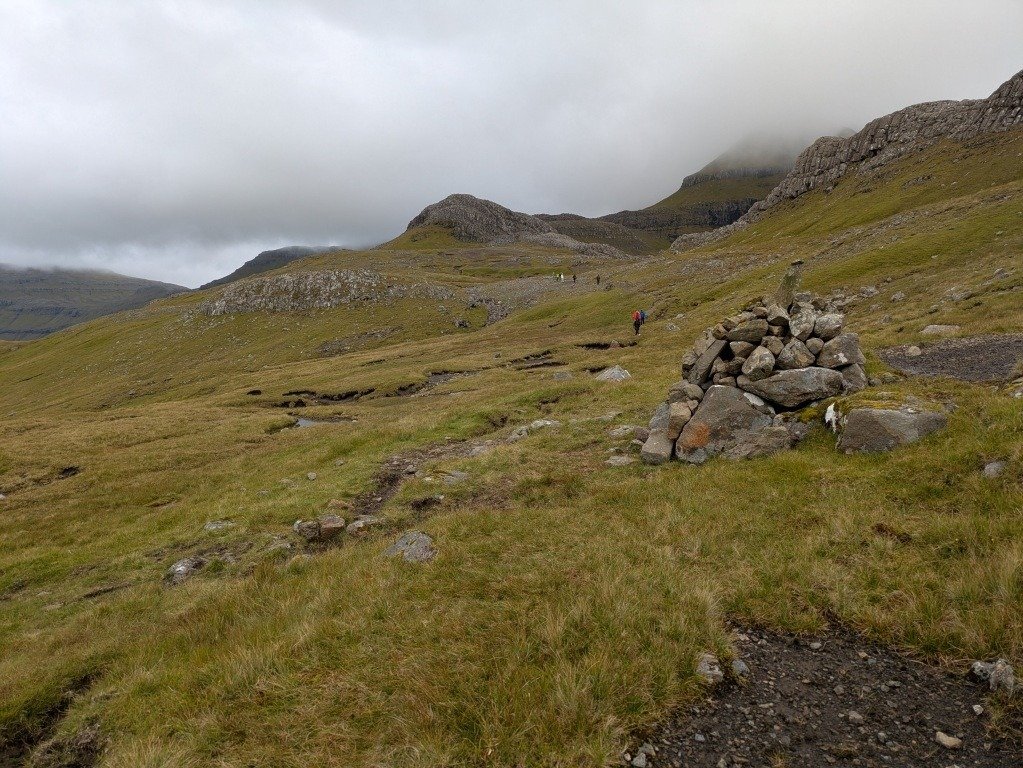
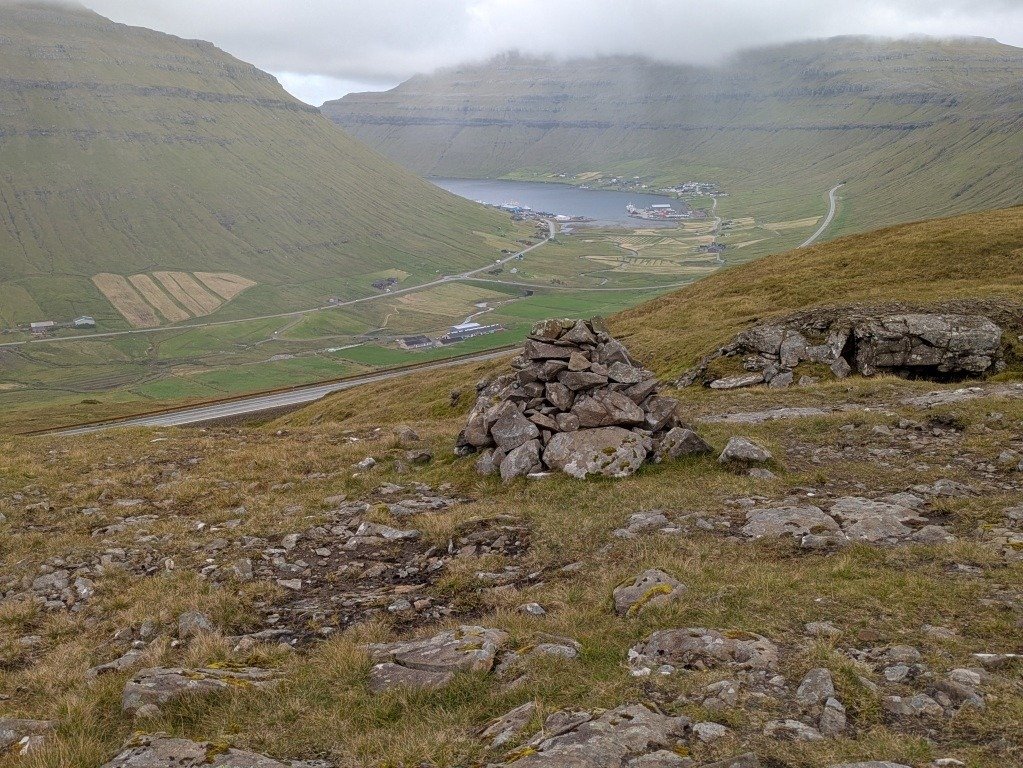
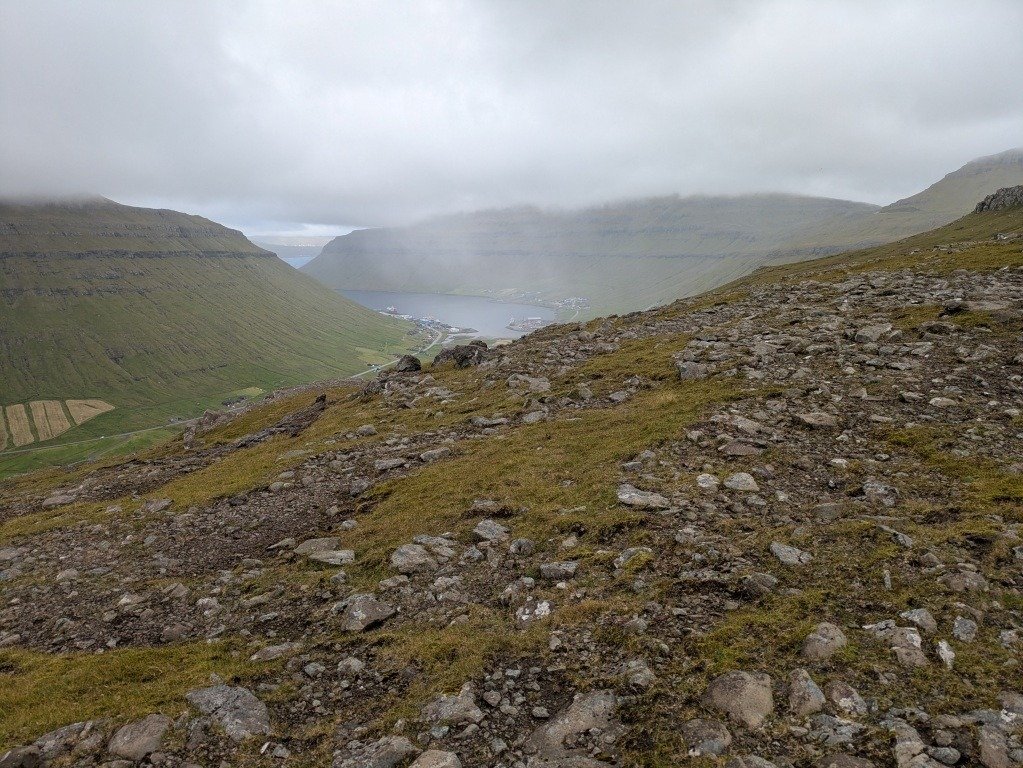
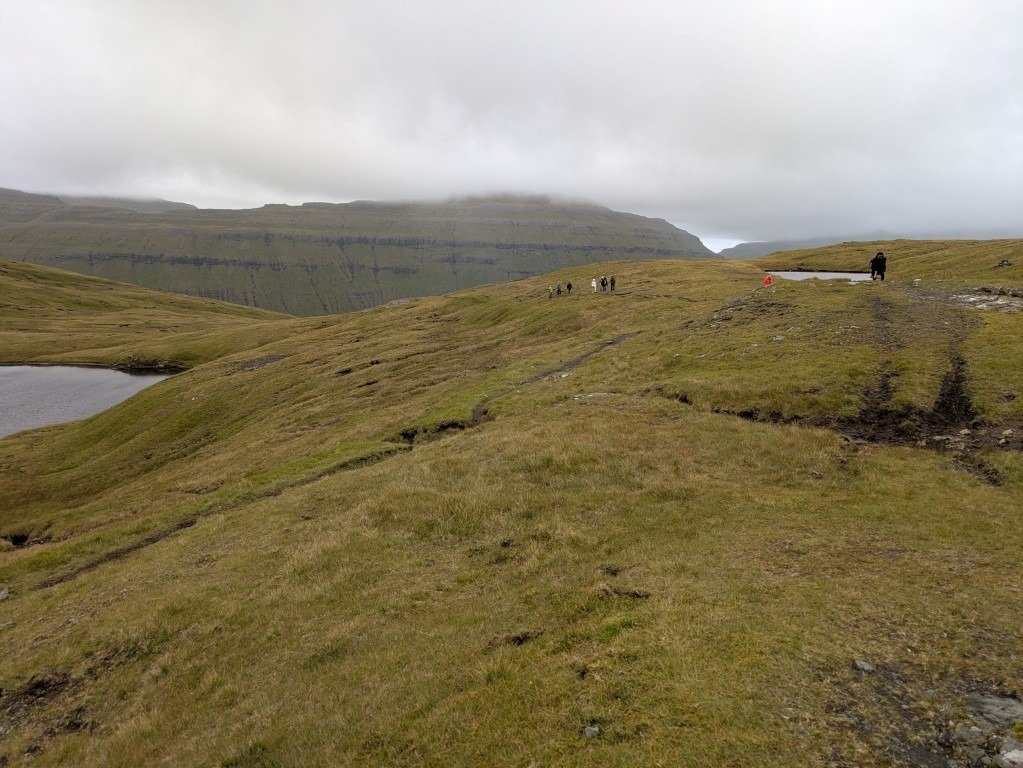
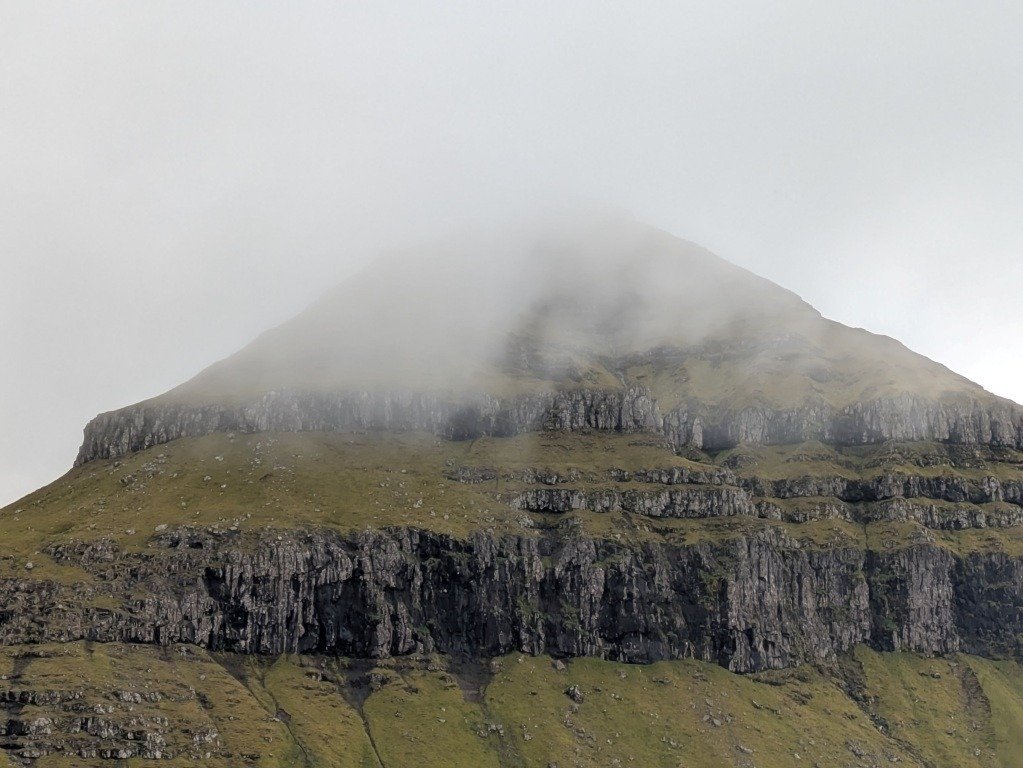
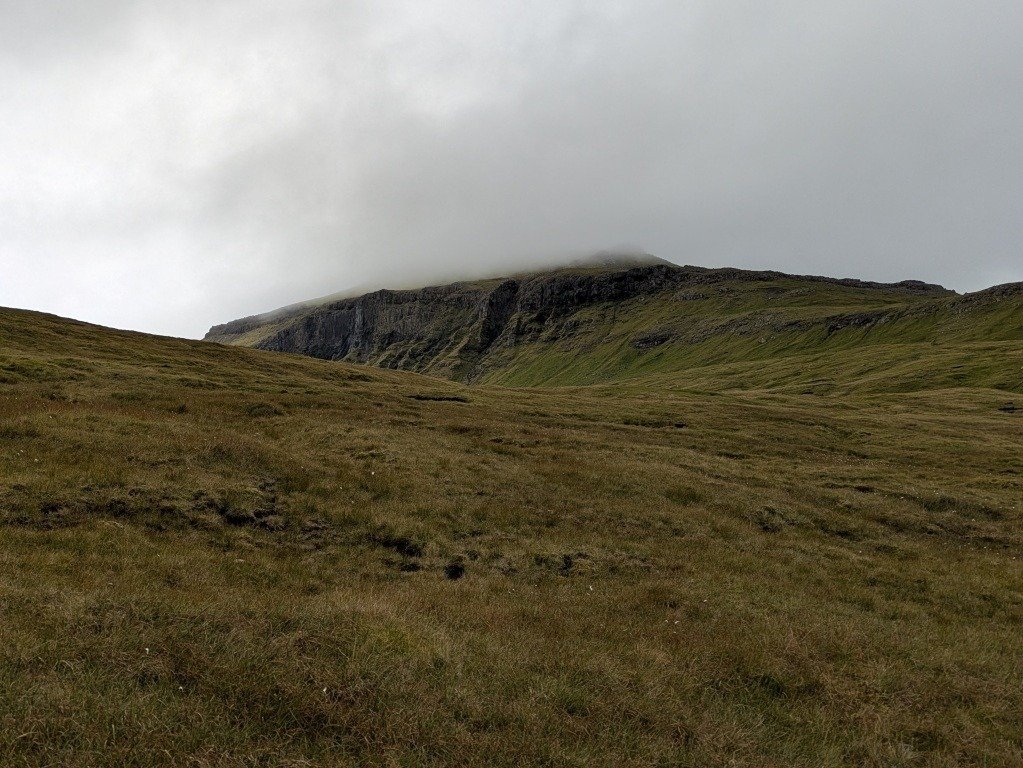
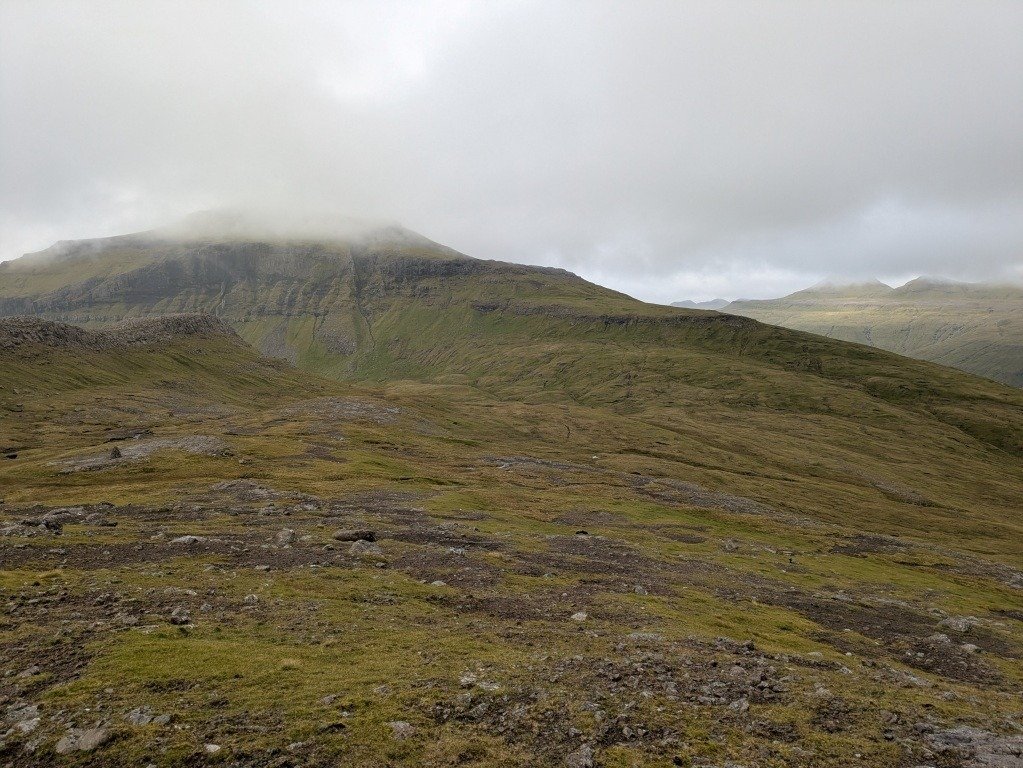
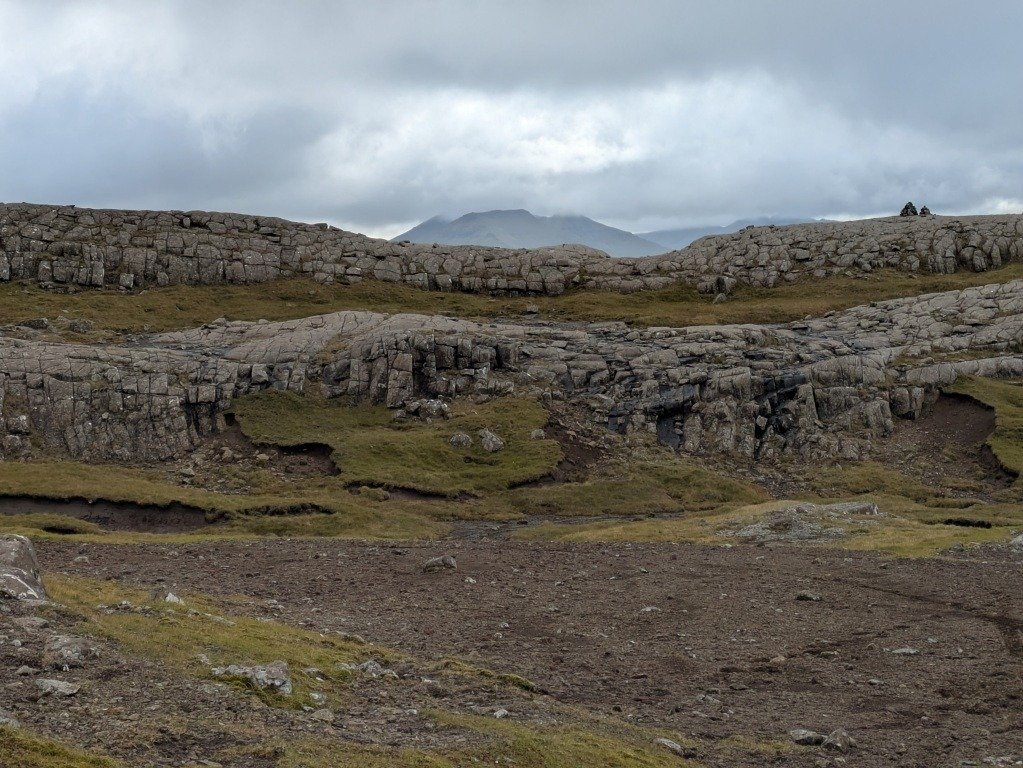
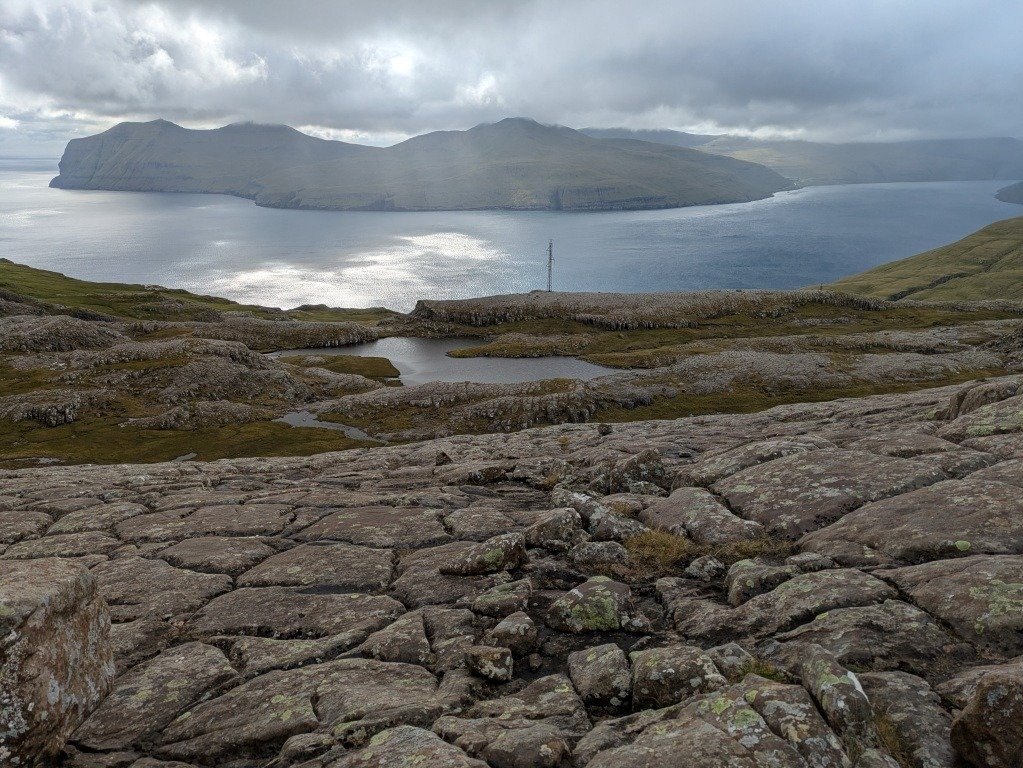
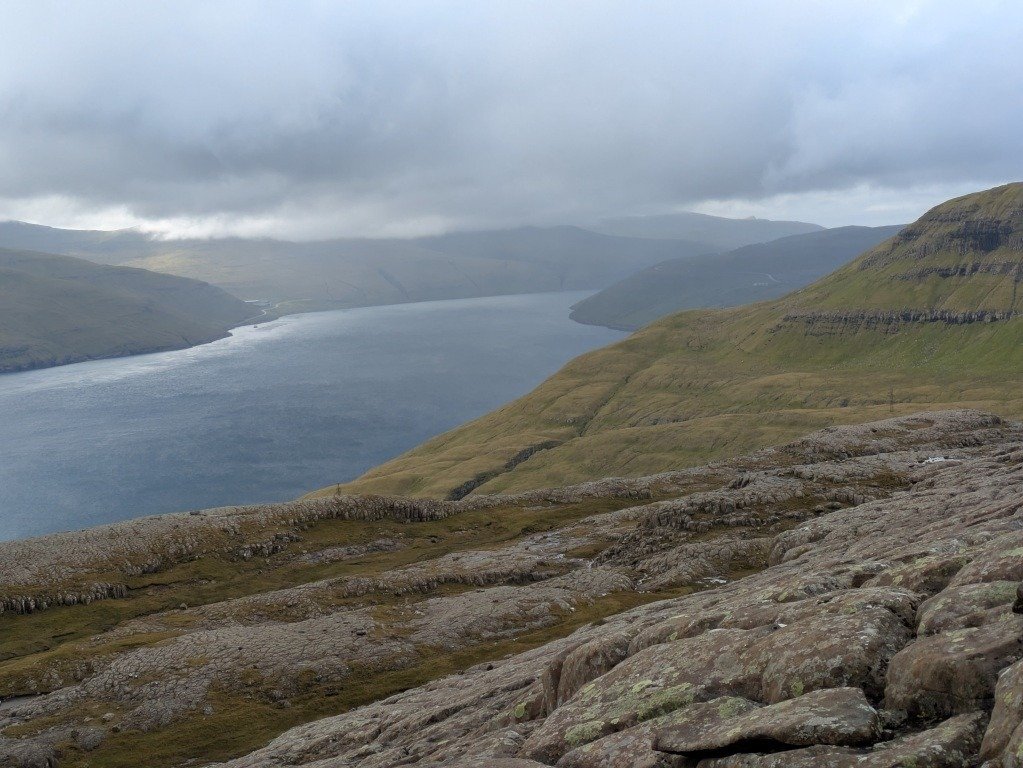
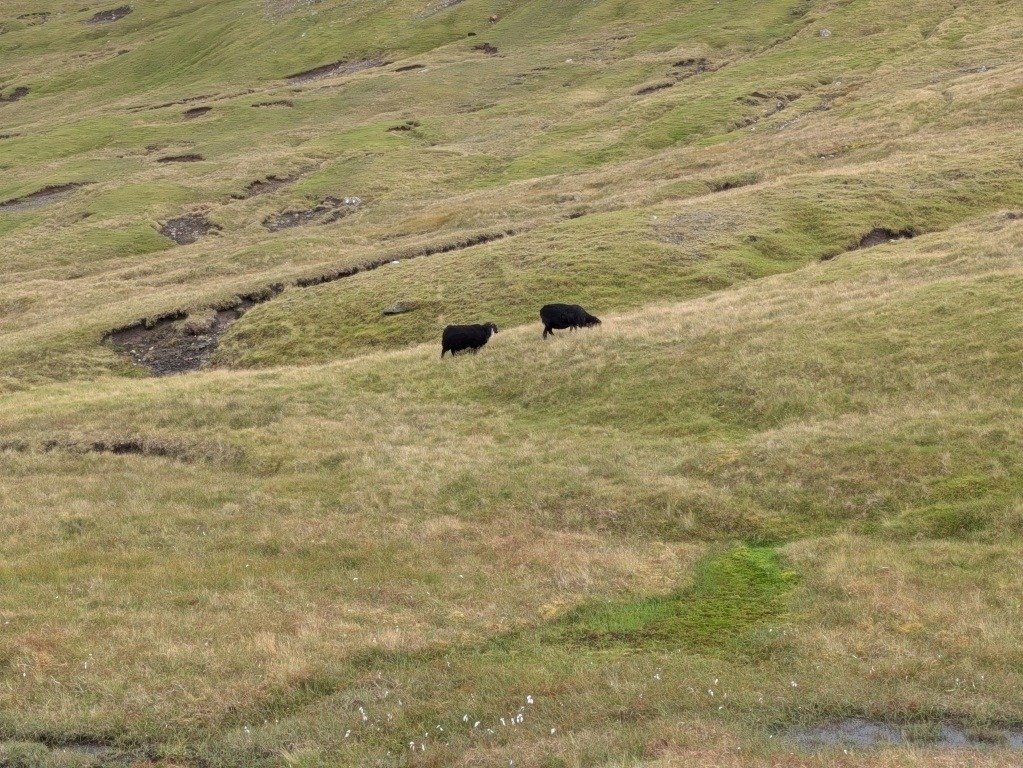
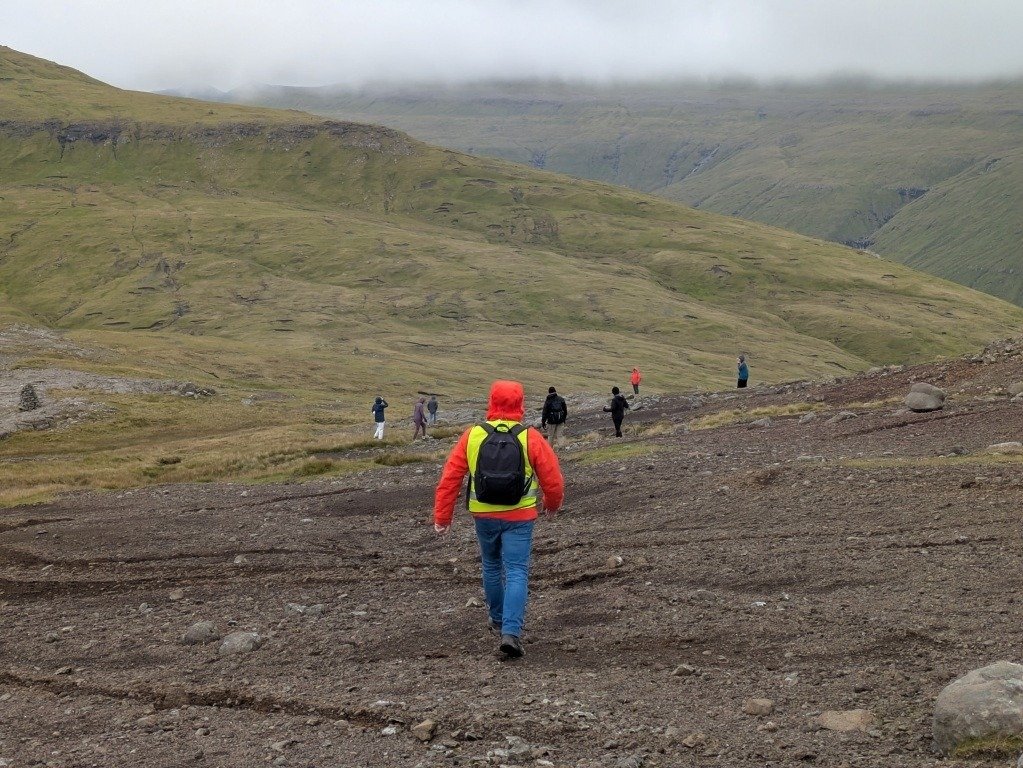
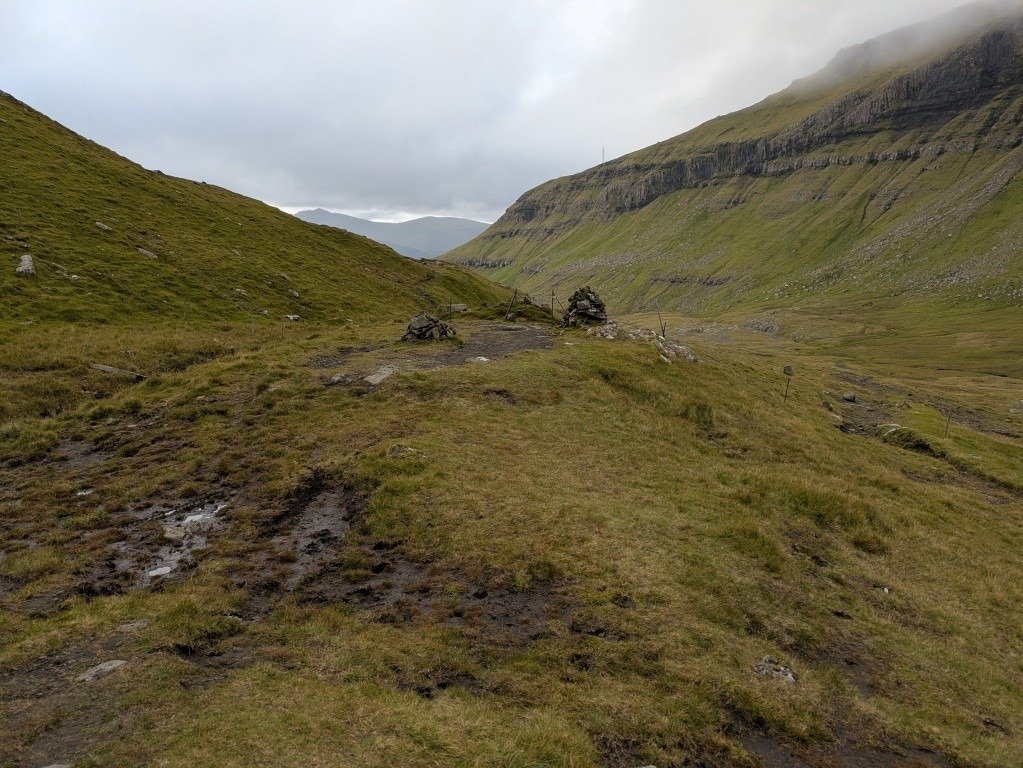
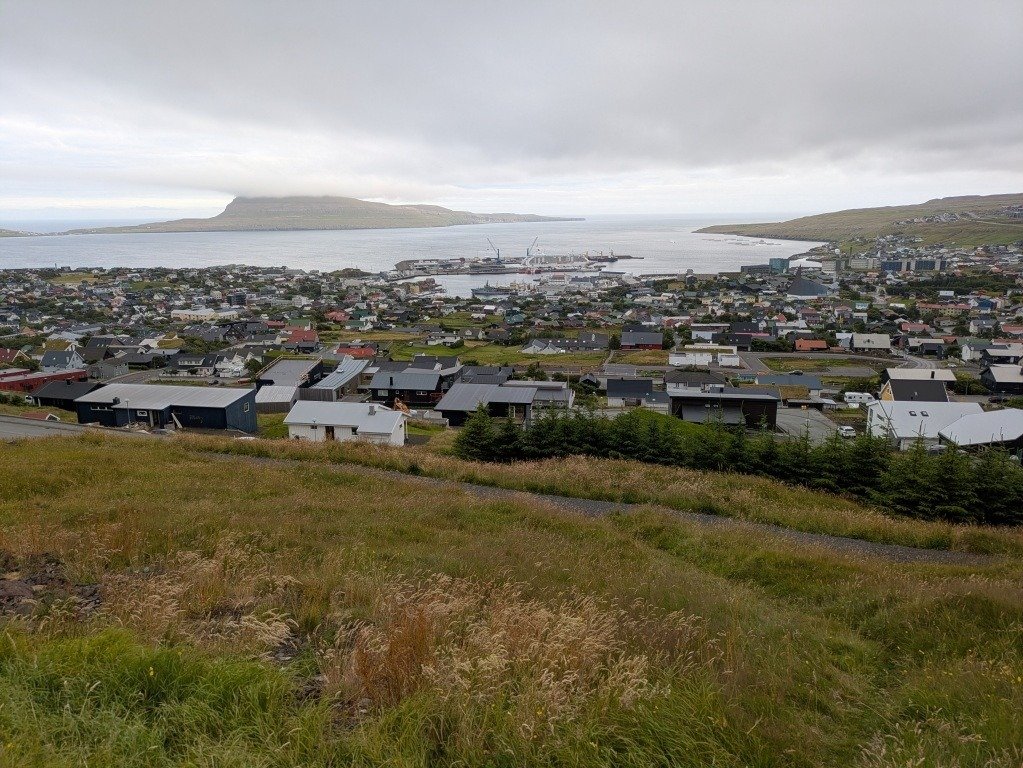
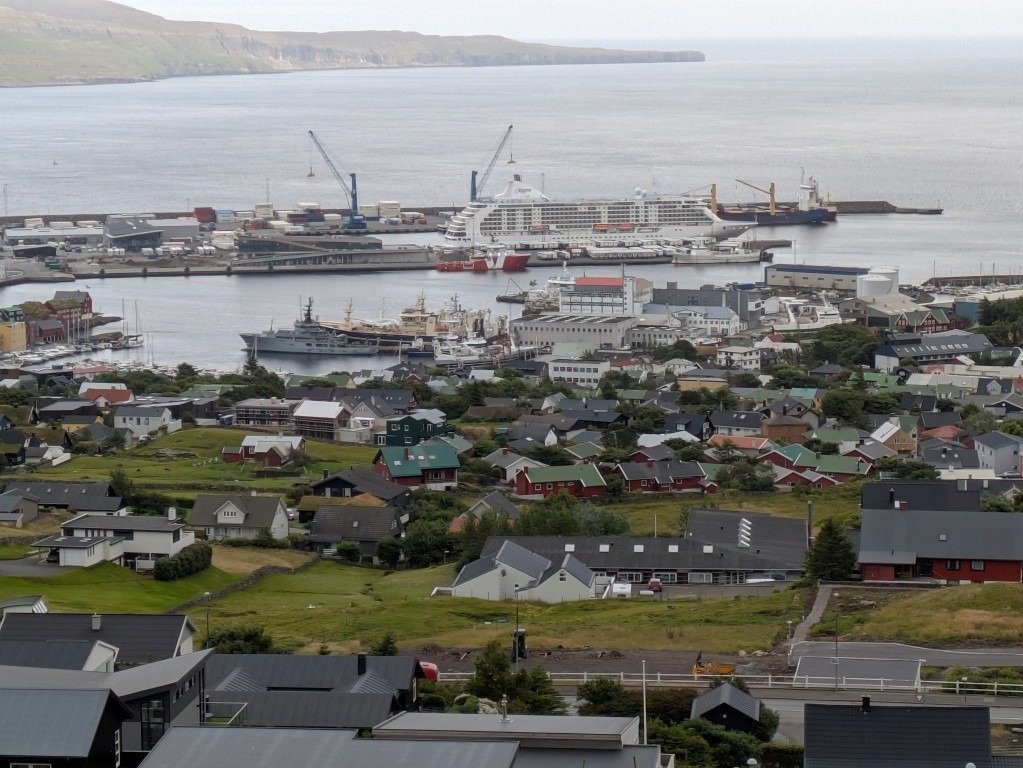
Monday on a dull, overcast morning with 9c temperature as we approached the Faroe Islands. Arrived at Torshavn by 10am.The Faroes are an autonomous territory of Denmark consisting of a collection of 18 major islands, located between Iceland, Norway and Shetland. Total population of the Faeroes is around 55,000. Tórshavn locally referred to as Havn, is the capital and largest city of the Faroe Islands with a population of around 24,000. The Faeroes are a nation of tunnellers with 25 throughout the islands including 4 sub-sea tunnels. The jelly fish roundabout in the Eysturoyartunnil, completed in 2020, is the 1st undersea roundabout in the world. The 3 tubes connect Torshavn on Streymoy with 2 places on Eysturoy. At 12:15pm we caught the dockside shuttle bus to the ferry terminal and walked the short distance into town. There are 2 ferries a week from here, running to Copenhagen which takes 36 hours. Wandered around the small town for a short while, noting the colorful buildings and many with grass roofs. Grass roofs in the Faroe Islands are more than aesthetic features; they are functional, climate-adaptive systems crafted from local materials. Traditionally, a turf roof involves layers of soil, vegetation, and structural elements that shed rain, insulate interiors, and blend buildings with the rugged landscape. The practice reflects centuries of adaptation to strong winds, frequent rainfall, and short growing seasons. We caught the return shuttle bus back to the dockside by 1:30pm. At 3pm twenty of us set out on the Streymoy Mountain hike. Our guides were Ingomar, with Jonas his student helper. Our bus followed the valley through the mountains for 25 minutes. Many waterfalls coming down off the hills. Sheep were grazing everywhere and also a few ponies. The Faroe Pony is a small-statured equine breed, indigenous to the Faroe Islands. There are approximately 70,000 sheep on the islands which increases significantly during lambing season. Having passed through a long tunnel under a mountain we turned onto a side road and headed up, stopping at a layby, where we disembarked for our hike. The weather remained overcast but mainly dry with temperature around 14c. Set out up a fairly steep, grassy incline and then proceeded upwards on the rough trail. This is not a very well- defined trail but is marked by stone cairns. Much of the hiking was over rocks and wet boggy ground. As we climbed our group became drawn out, with the slower ones far behind. Climbing over some rocky ground we flushed a good sized hare which bounded away. After about 45 minutes hiking we reached a ridge which was our high point. This was around 1,500 ft. We stayed here for a while, taking in the views until our group was together again. We were just below the cloud level and there were a few strong wind gusts up here. Our guide then gave us a short talk about this rock formation and the surrounding mountains. We were on basalt rock pillars which were formed about 54 million years ago by volcanic eruptions. There is no volcanic or earthquake activity on the Faroes these days. After spending time on top, we began our descent going the same way down, being careful not to slip on the steep wet parts. Passing above one of the small lakes we noticed bird activity which were oystercatchers. They are the Faroe Islands national bird and nest in the mountains. We also passed several black sheep on our descent. The whole group finally made it to the waiting bus by 5:20pm and we set off on the mountain road back to Torshavn. Stopped briefly for a photo opportunity overlooking the town before returning to the dock by 5:50pm.
Highlight of the day: A good view of a wild hare