Akureyri
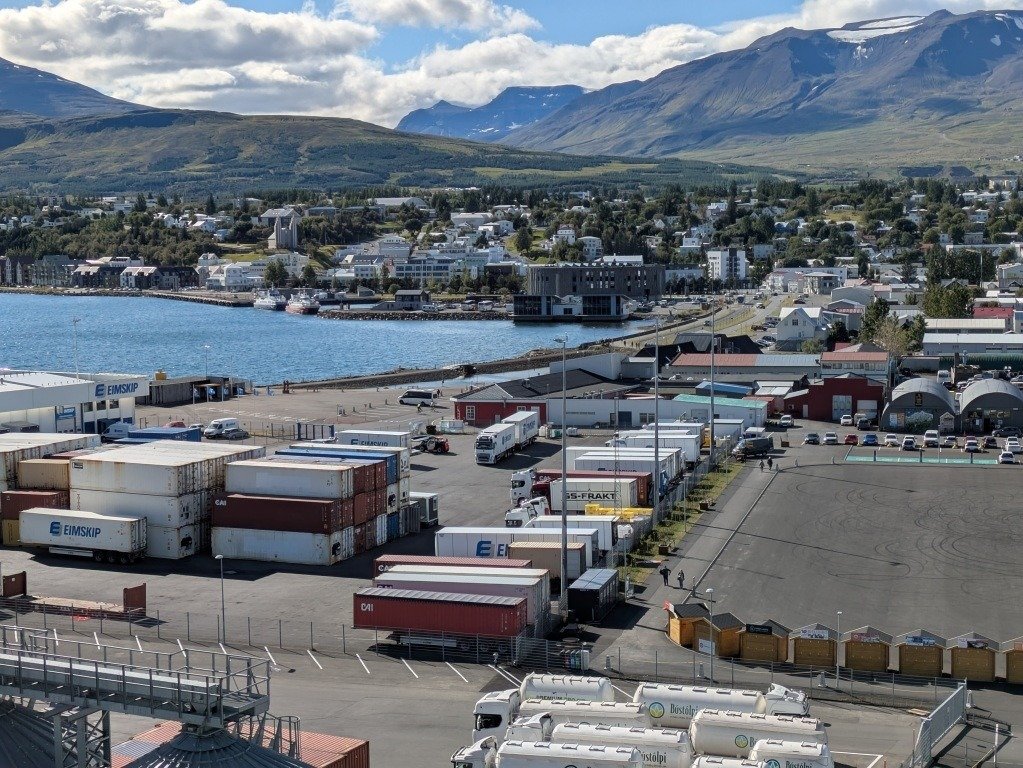
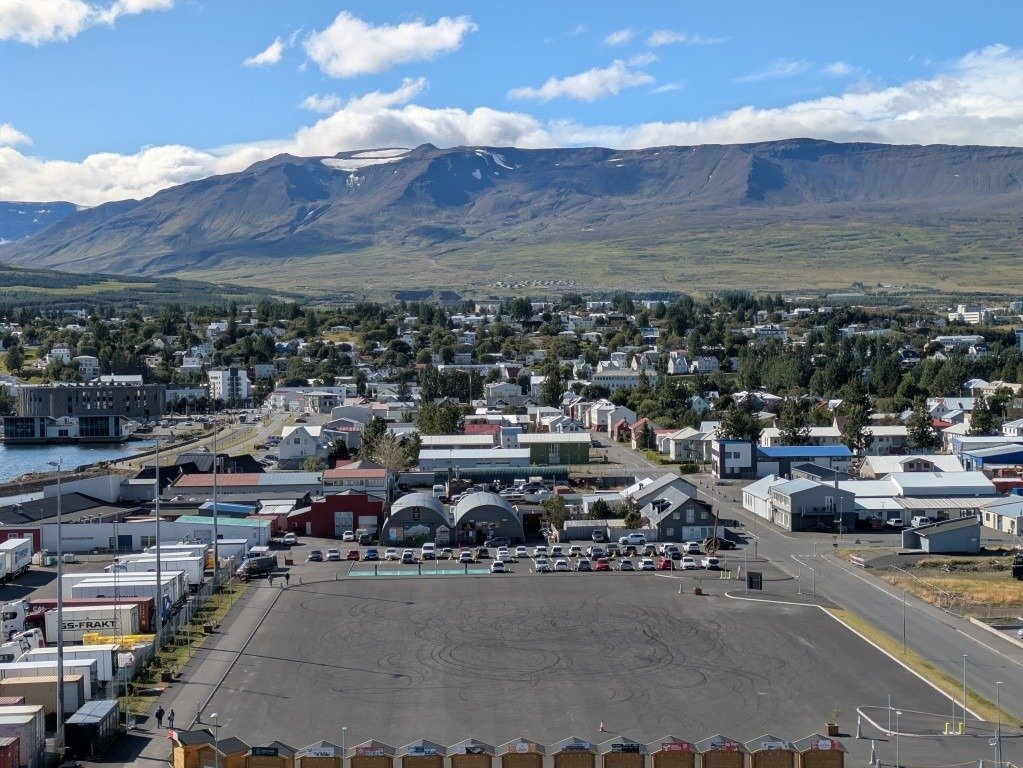
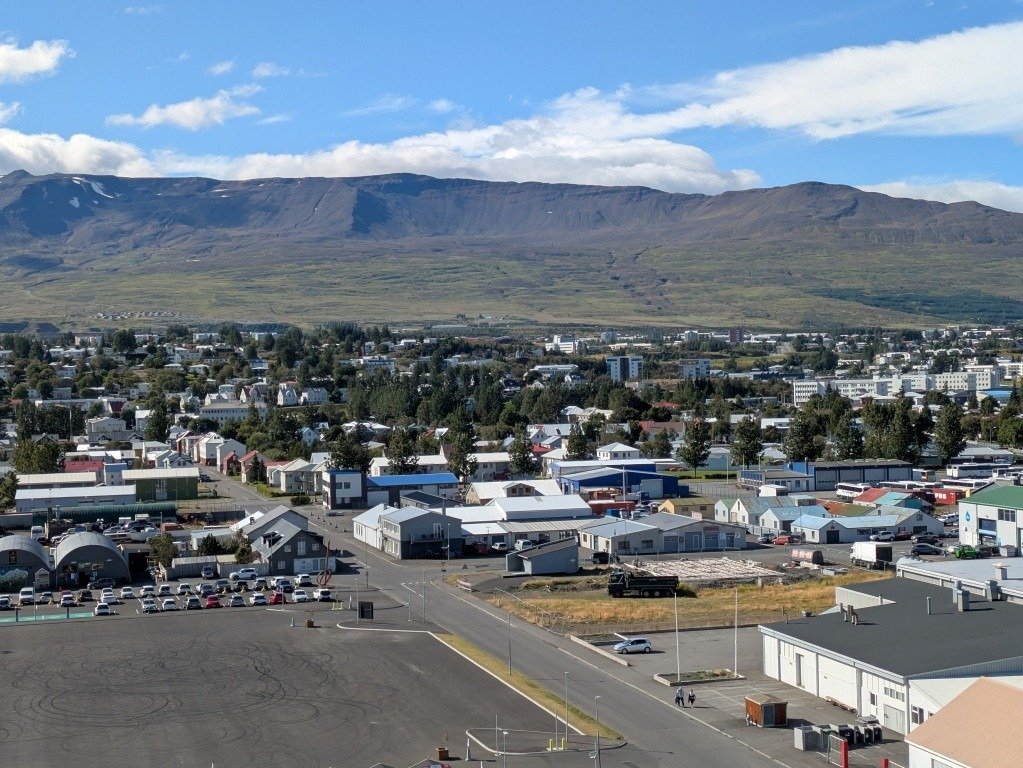
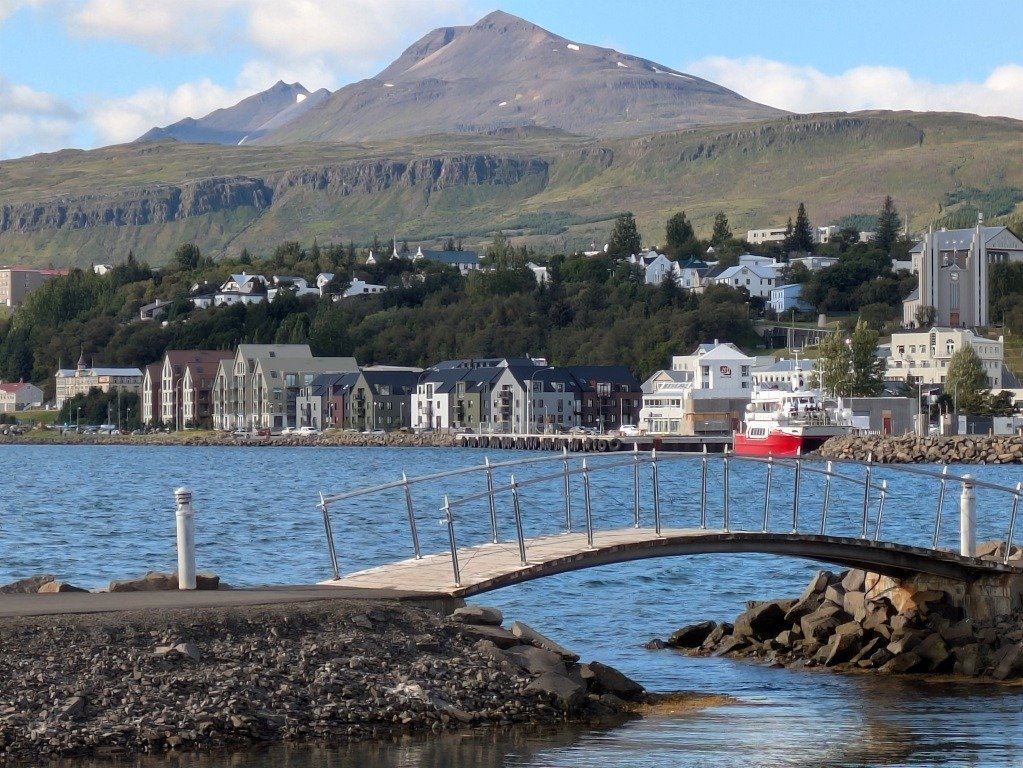
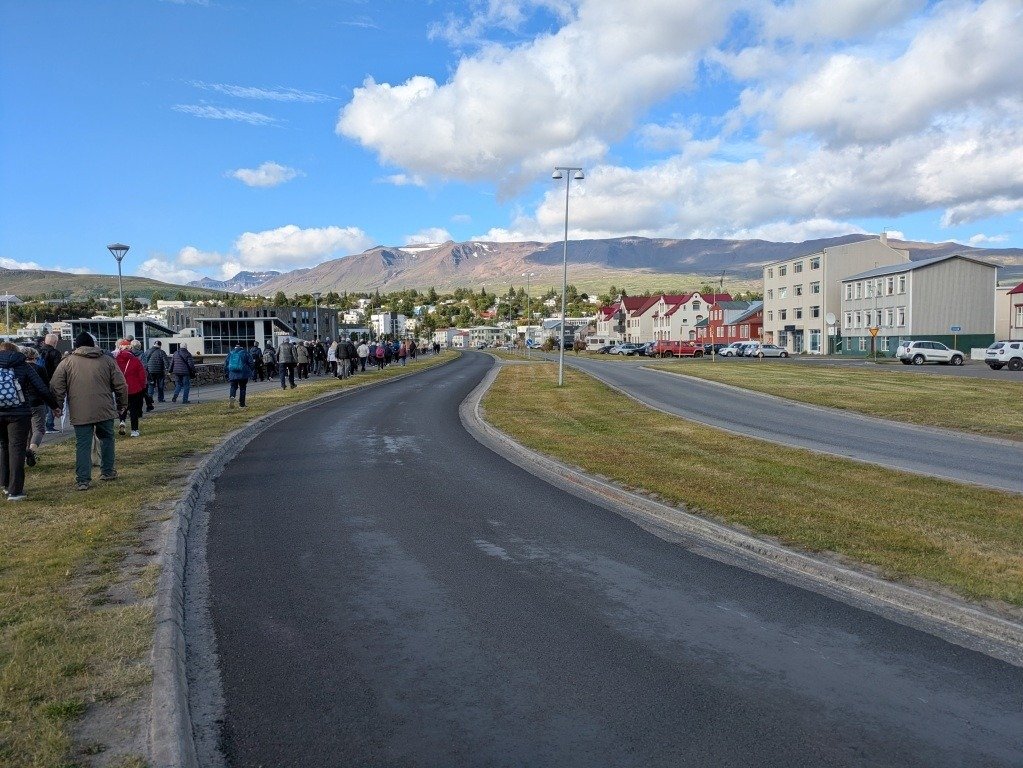
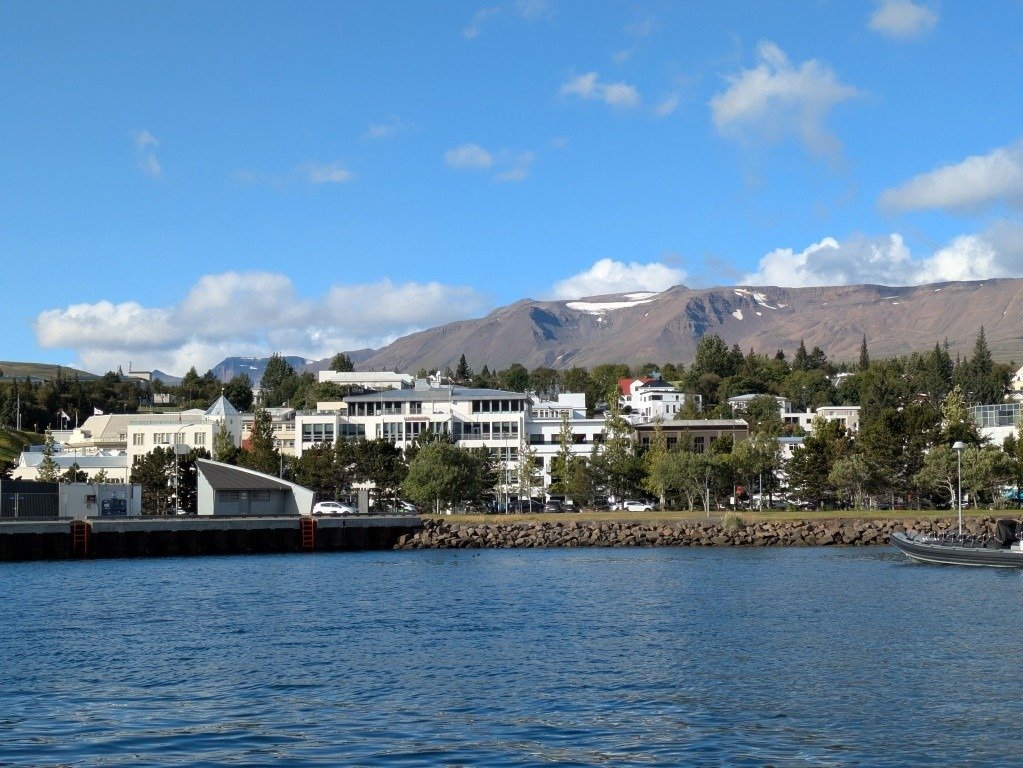
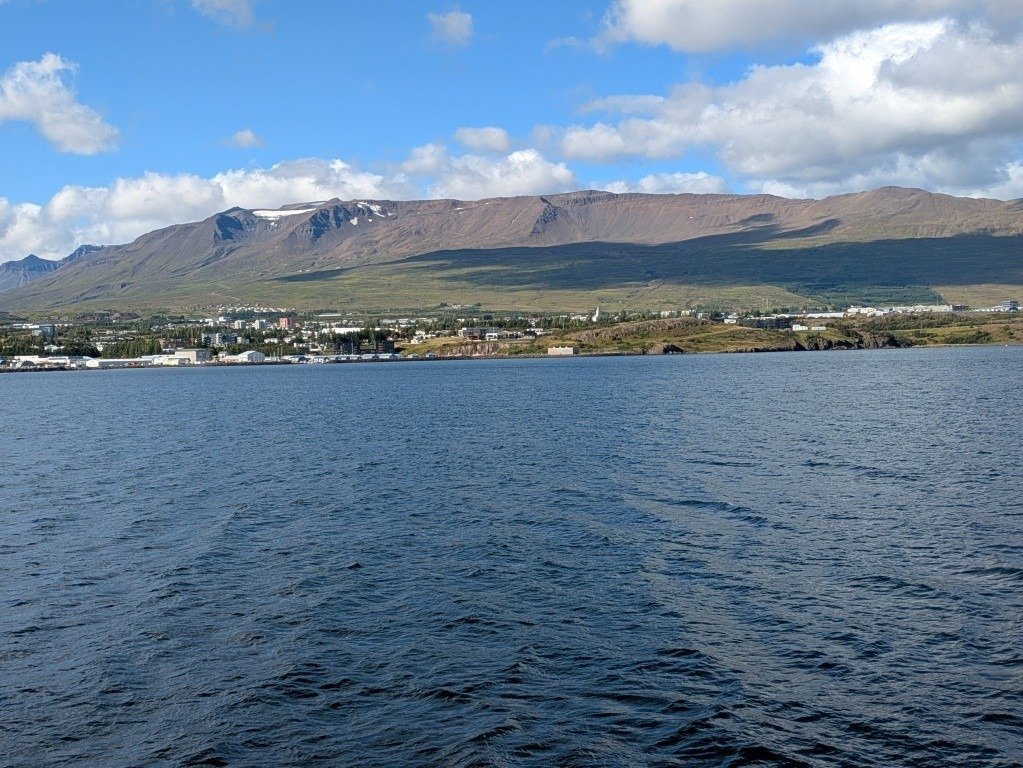
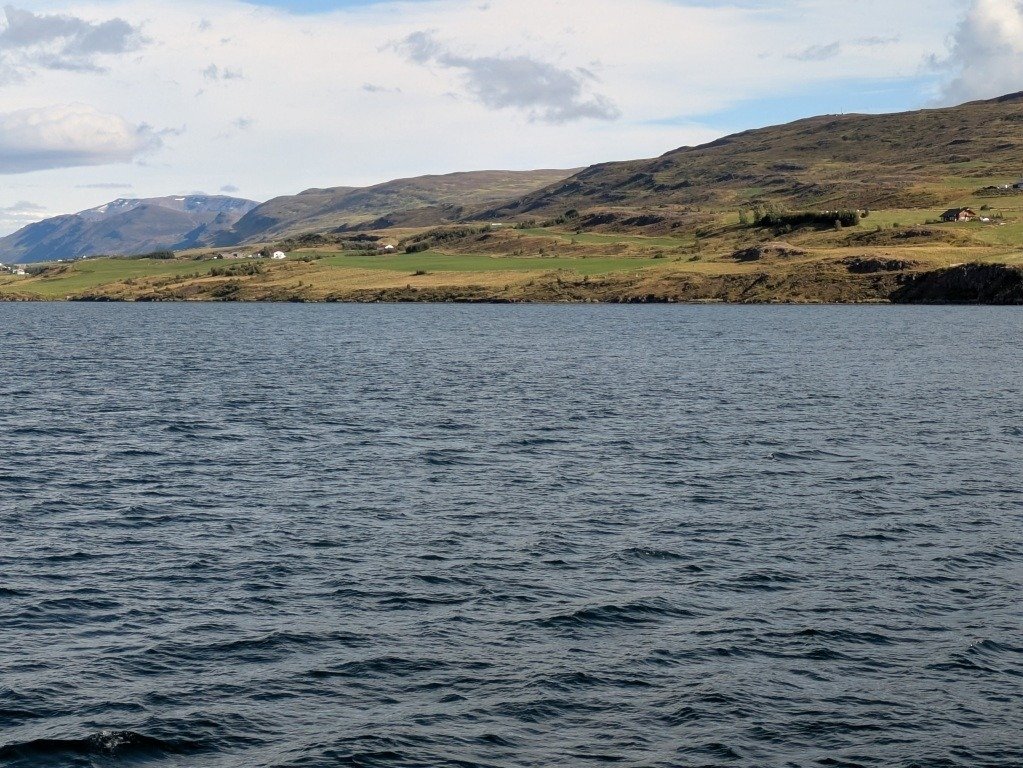
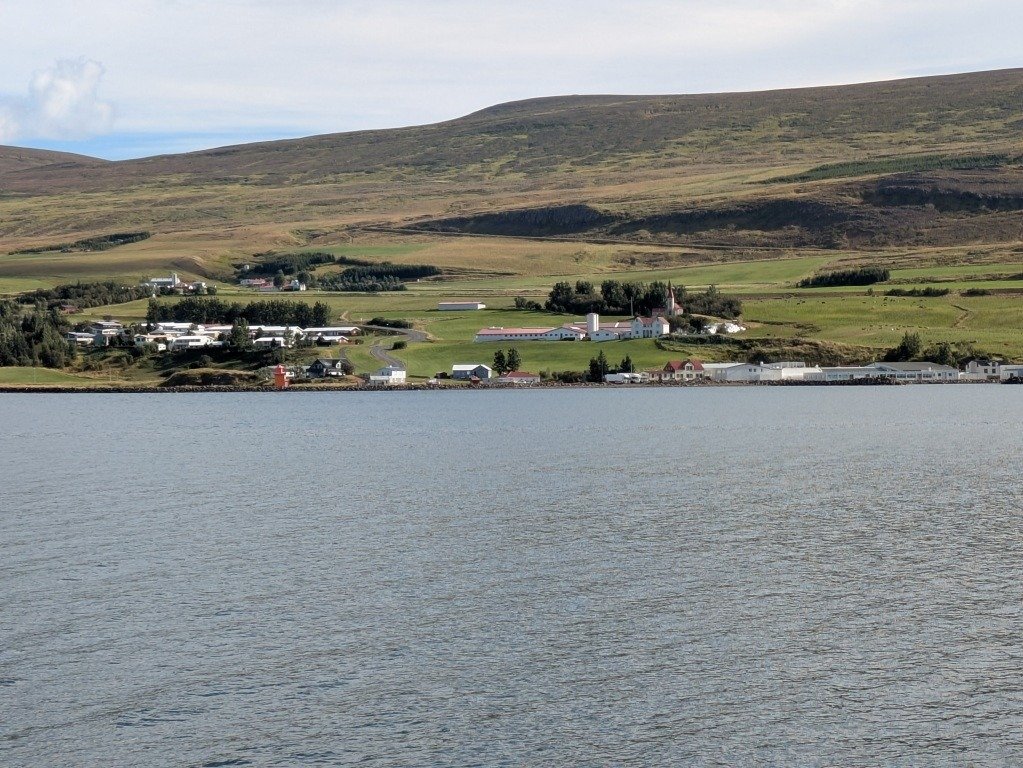
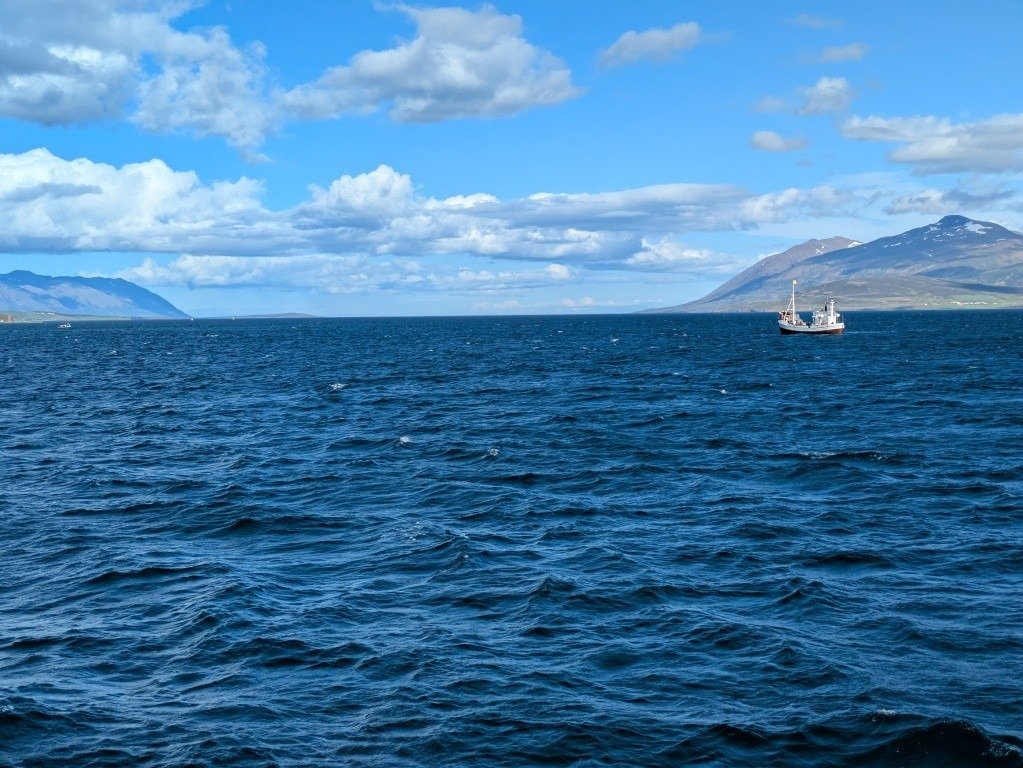
Early Sunday morning sailing down Eyjafjörður with the sun coming up over the hill and temperature around 12c. Arrived at Akureyri by 8am. Akureyri is a town in northern Iceland. Nicknamed the “Capital of North Iceland”, Akureyri is an important port and fishing centre with a population around 20,000. At the bottom of Eyjafjörður fjord and around 100km south of the Arctic circle, it is the largest town in Iceland outside the Southwest Region. Known as the Island Fjord, Eyjafjörður is Iceland’s longest fjord at 60km. There are high mountains on both sides, the highest being Kerling at 1538 metres (5046 feet). Five smaller fishing villages scatter the shores, and there are many farms inland.
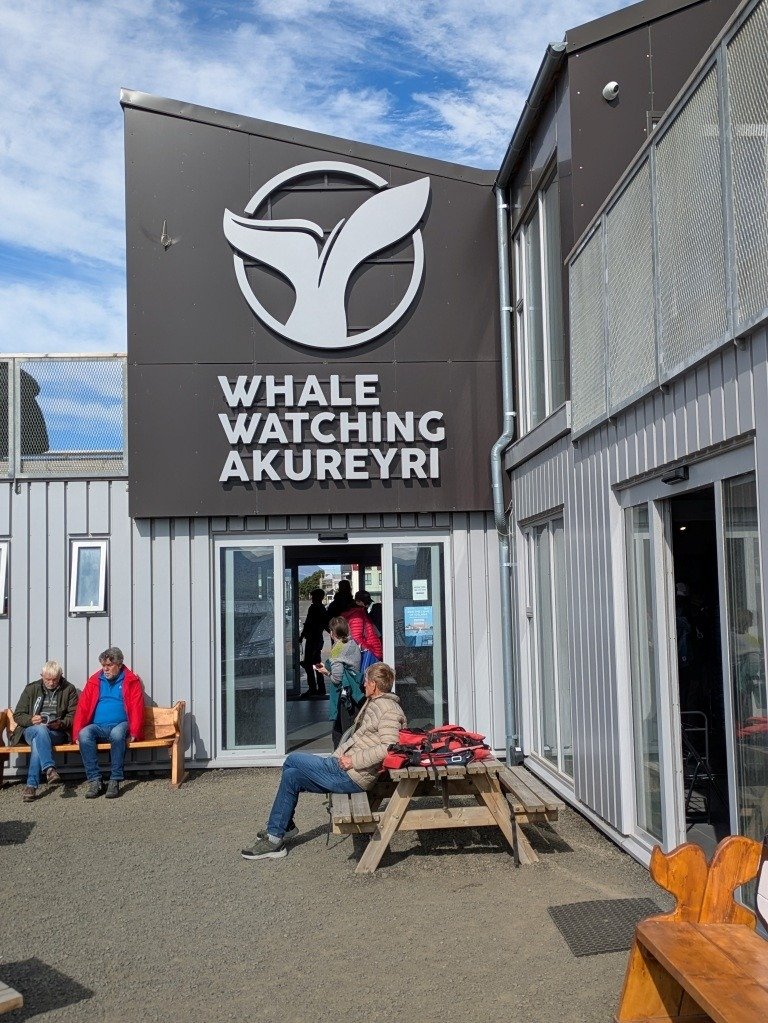
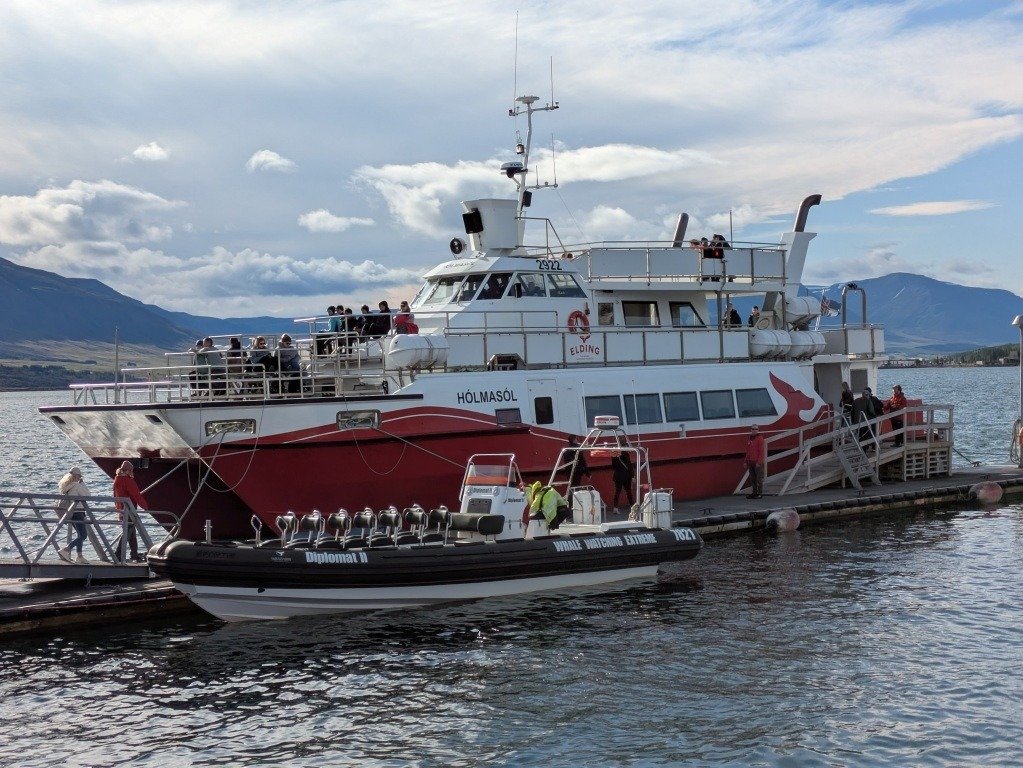
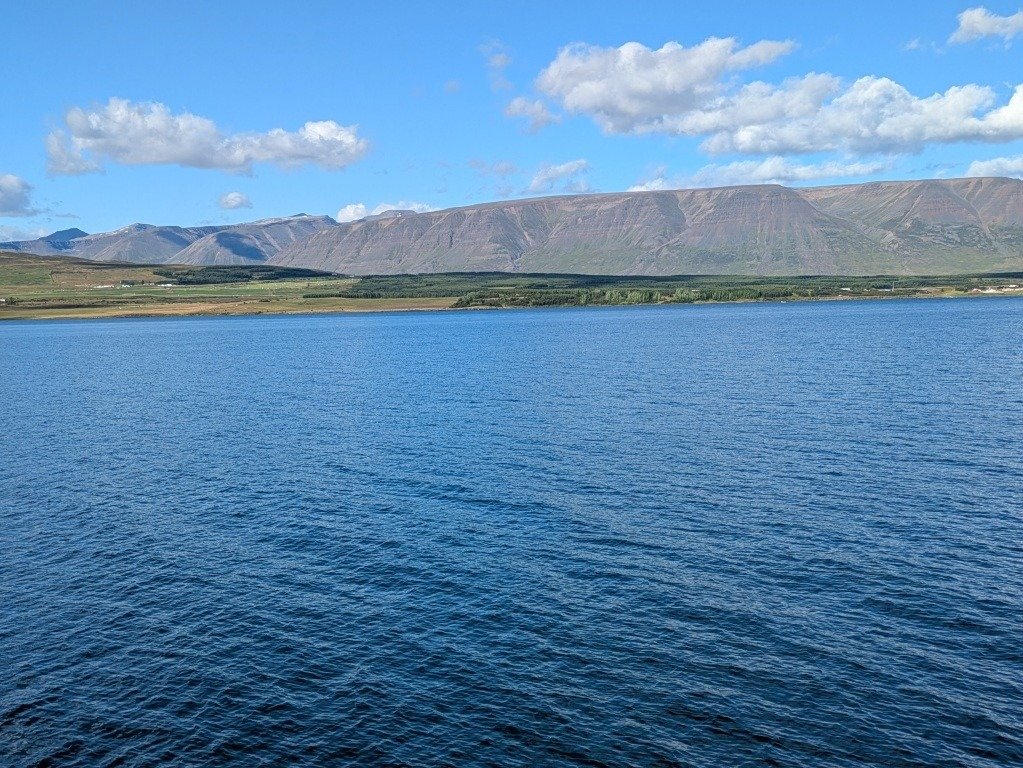
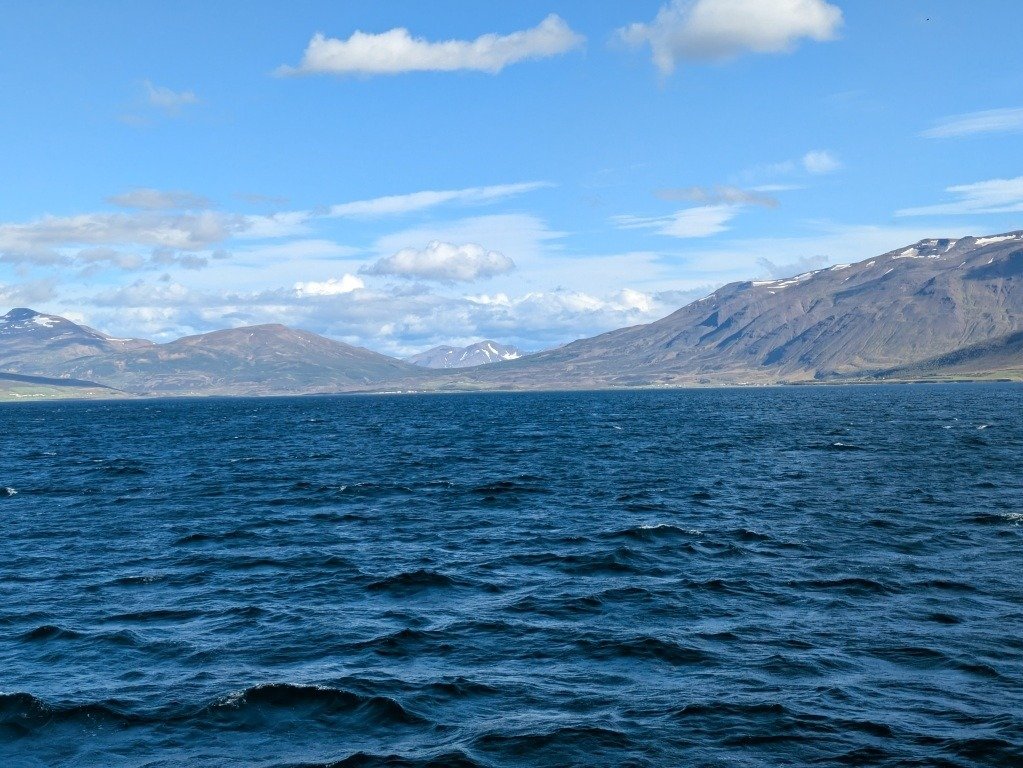
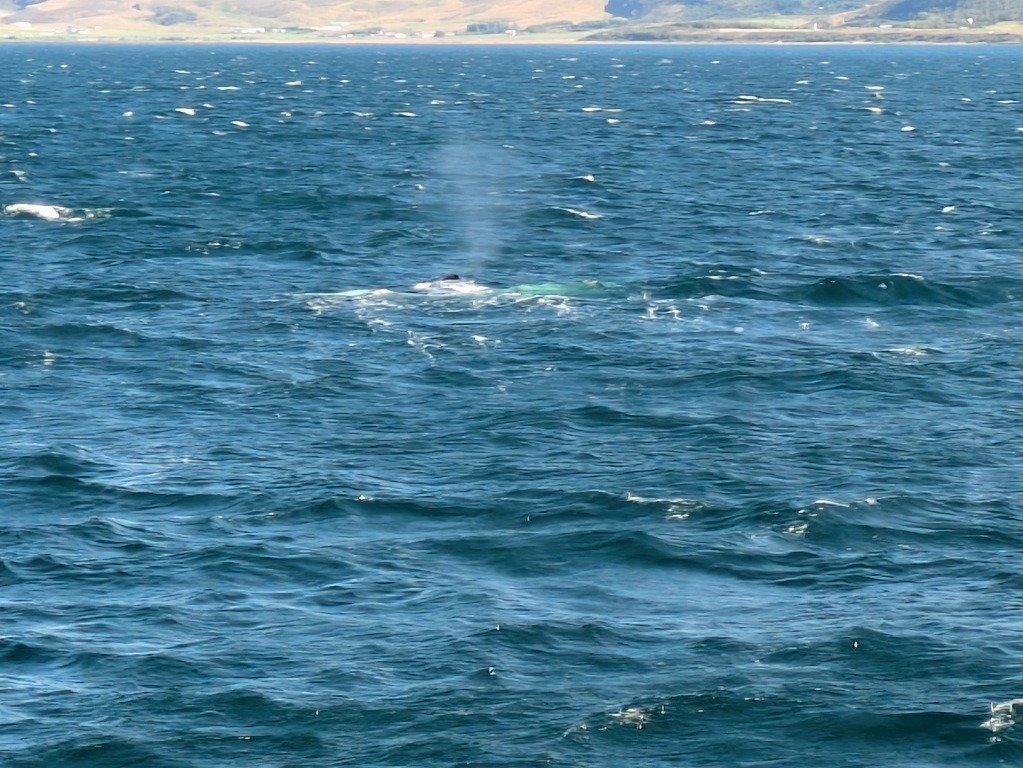
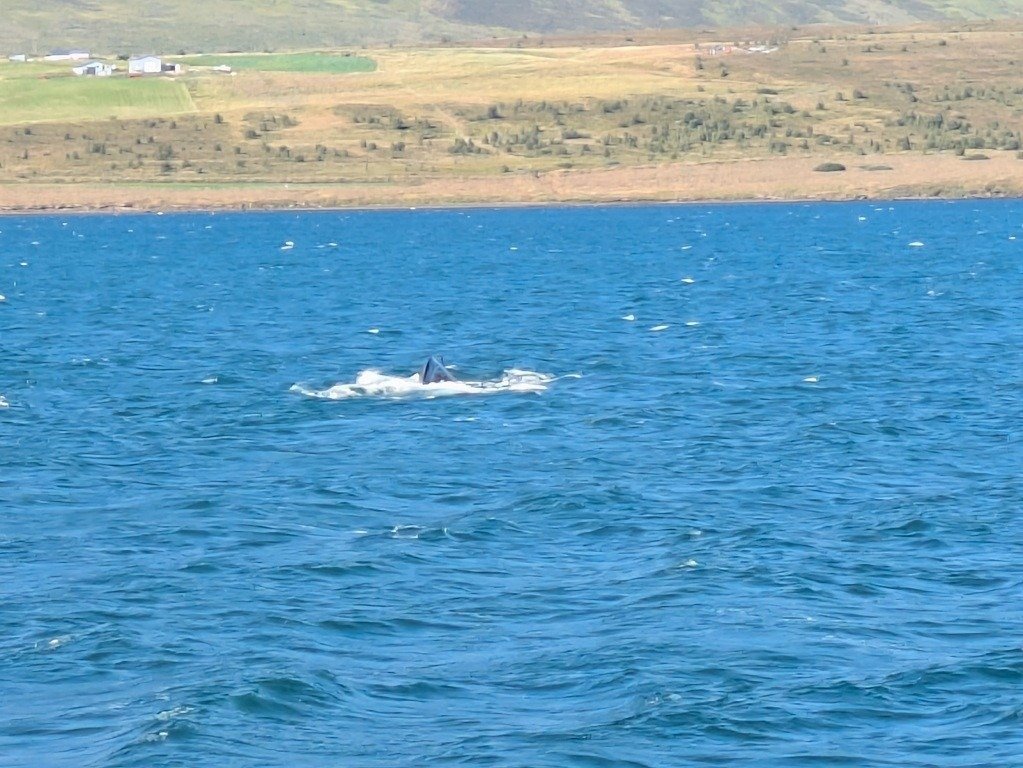
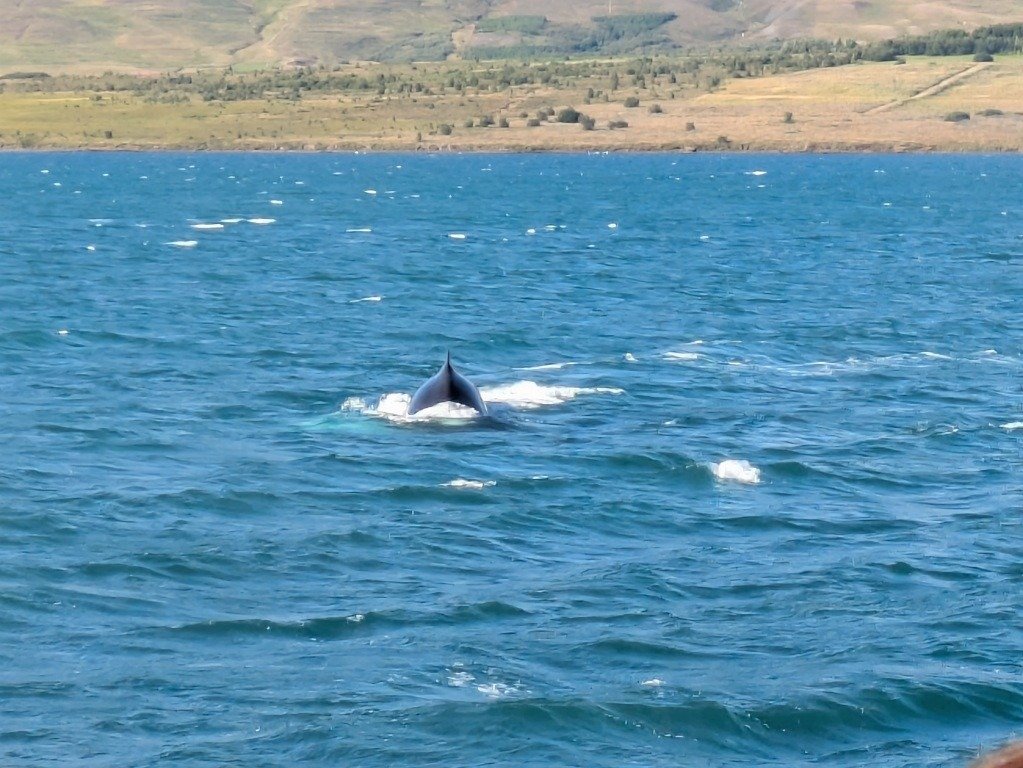
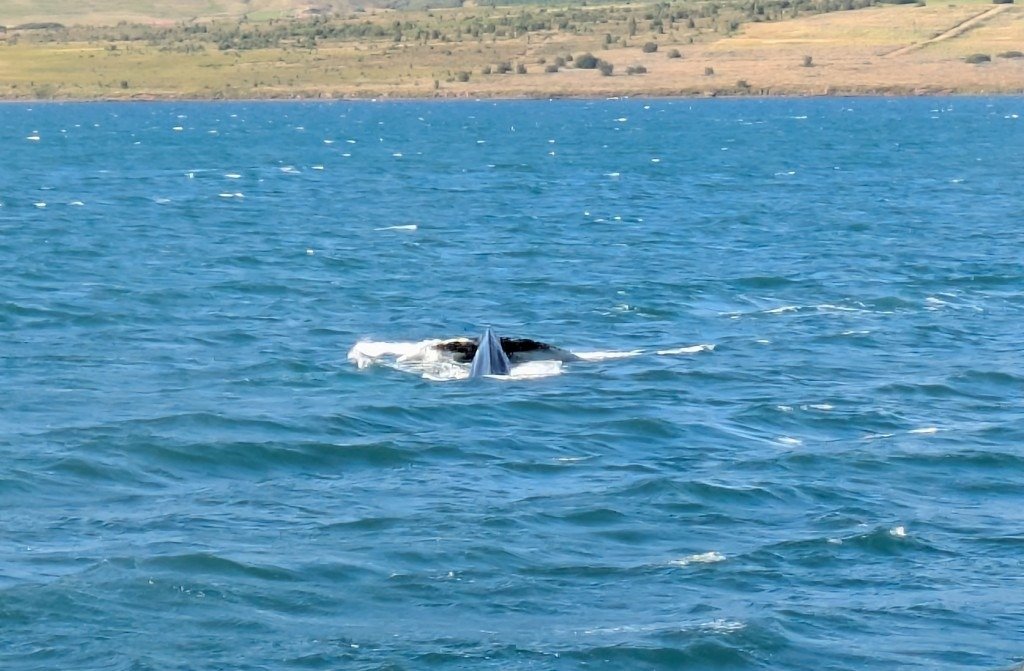
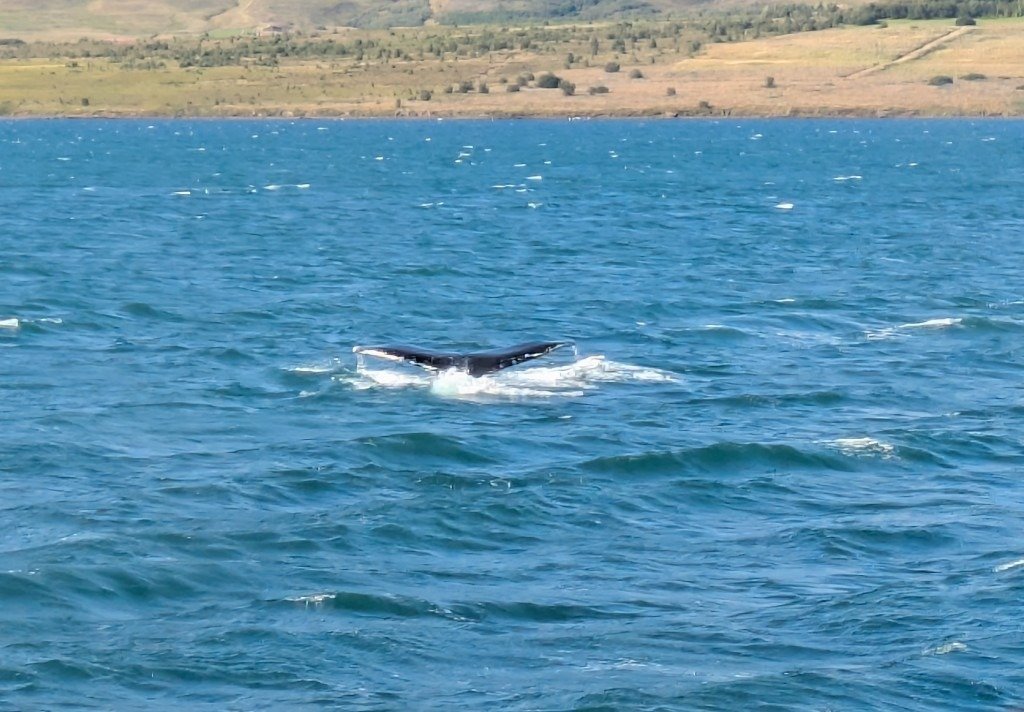
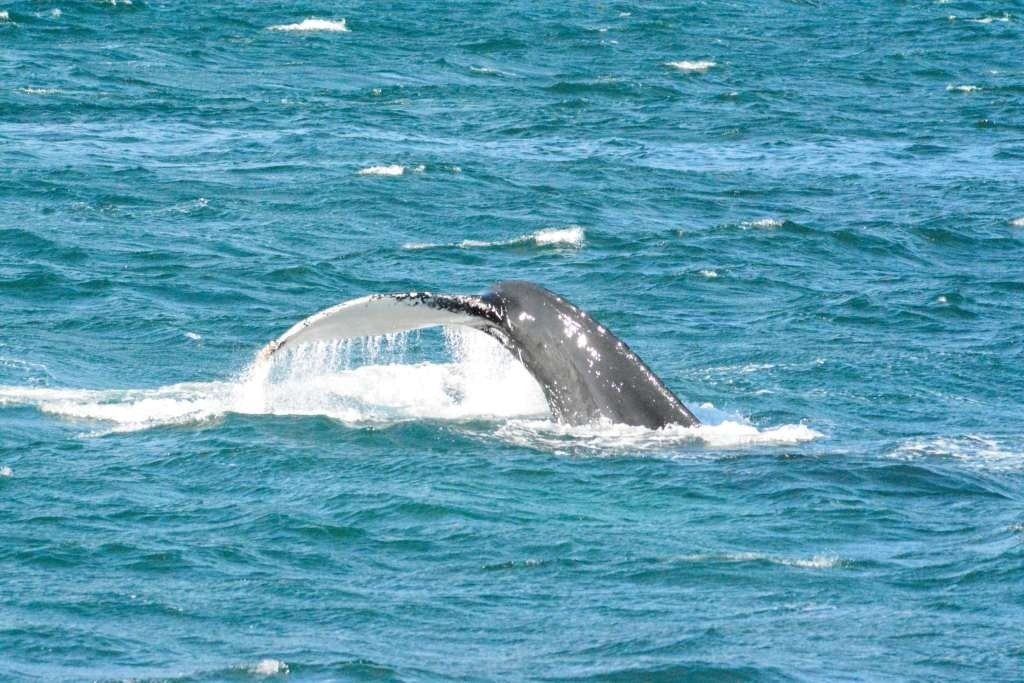
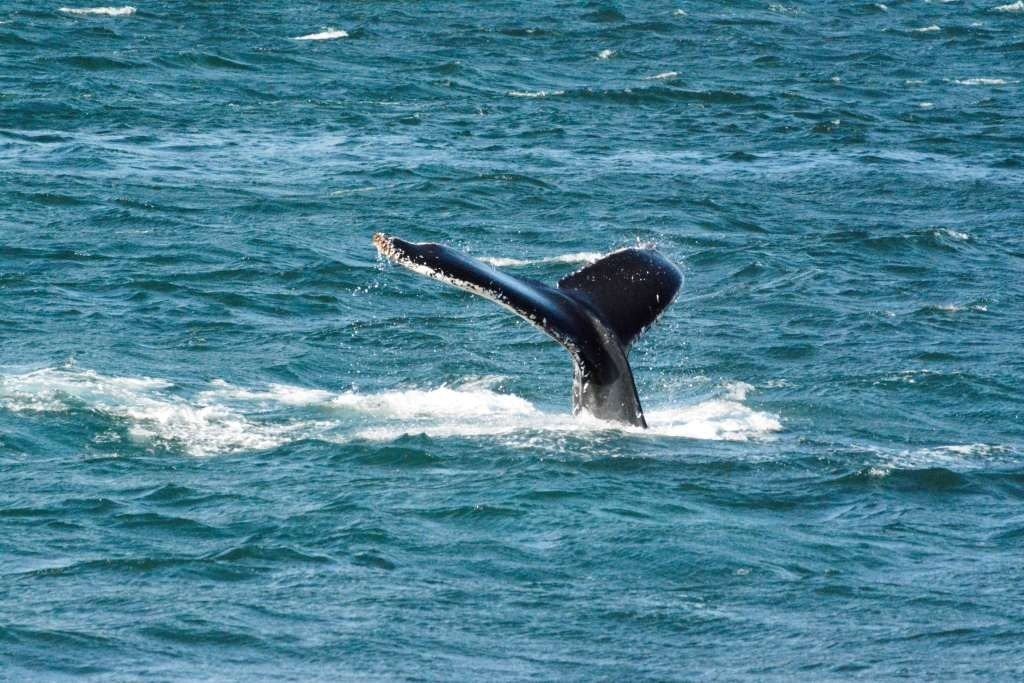
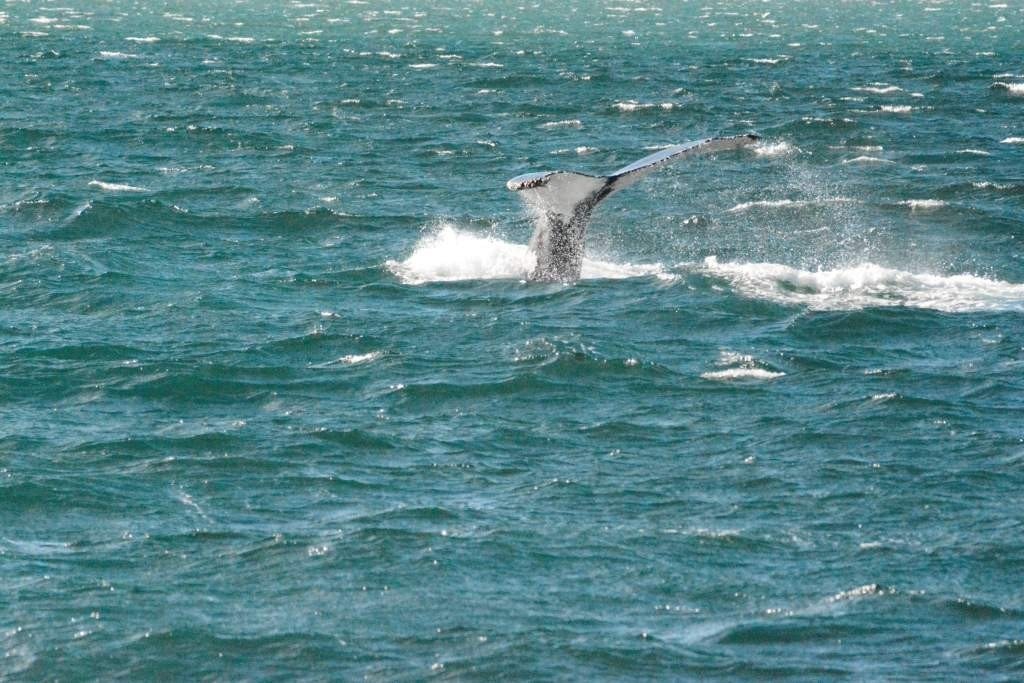
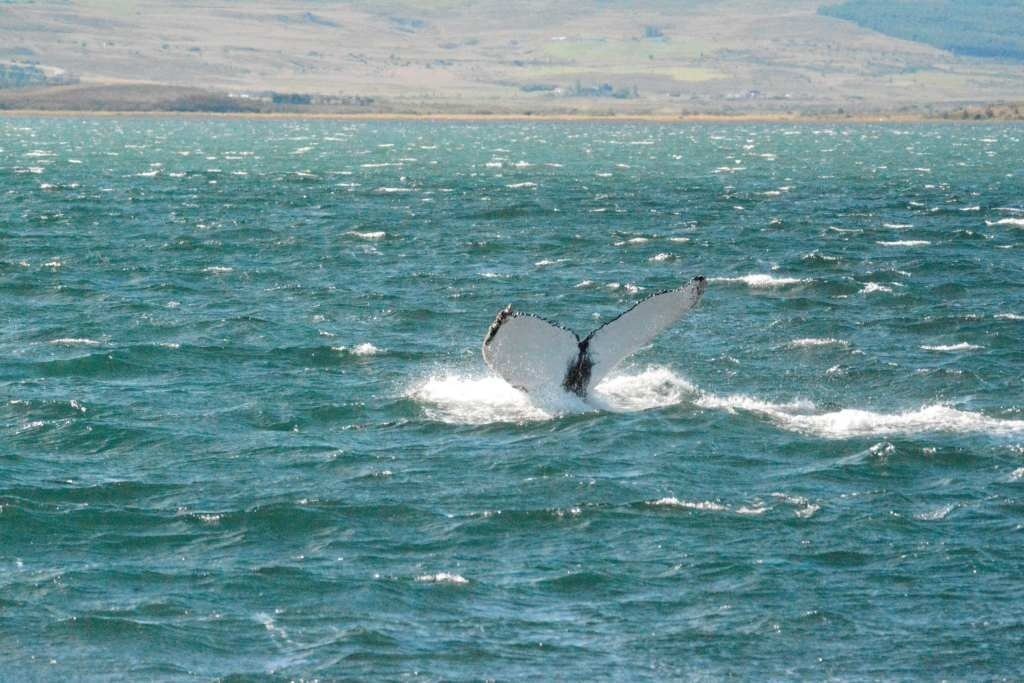
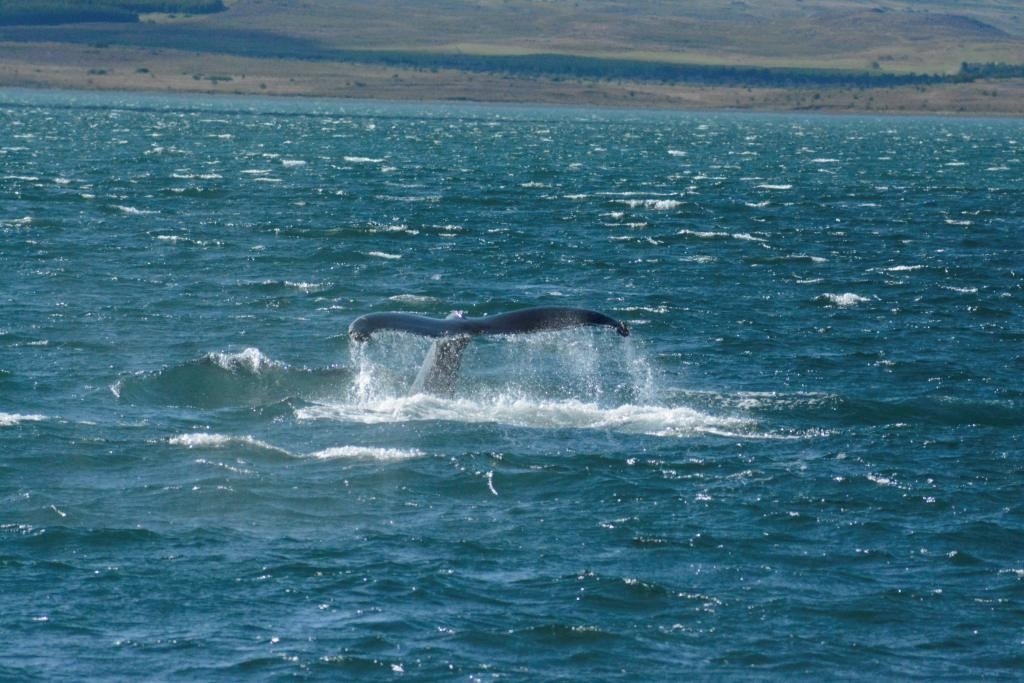
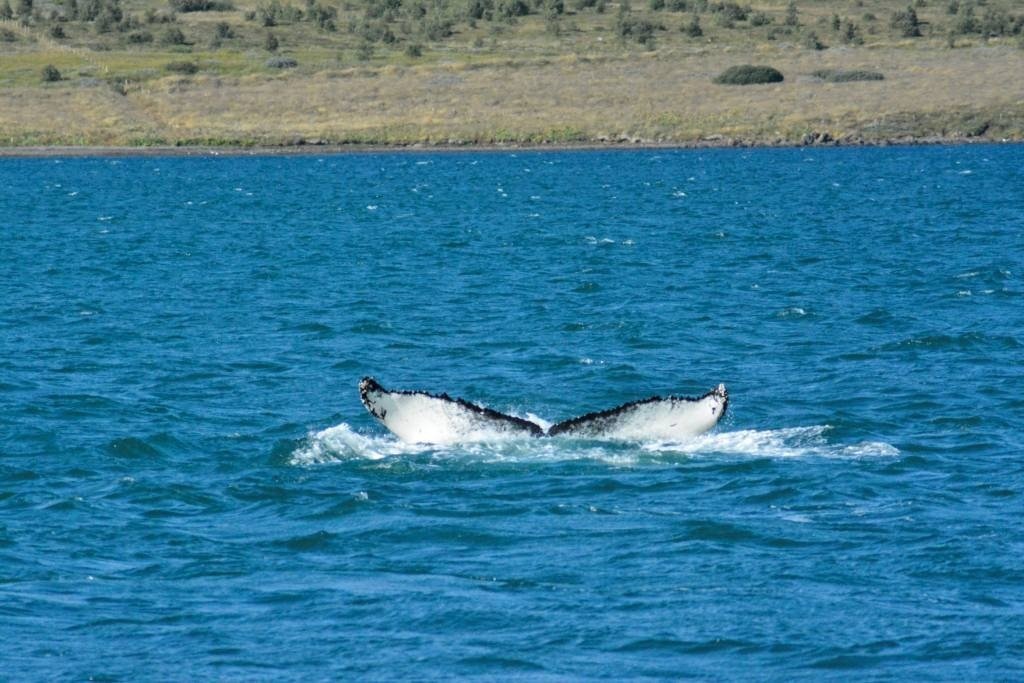
At 9:15am we met for our whale watching tour. A large group of 161 for this popular tour. We walked the 15 minutes round the harbour to our waiting boat, the Holmasol which is run by “Whale Watching Akureyri” tour company. A good-sized boat with more than enough room for all of us on both the inside and outside decks. We made our way to the upper deck where we found a small inside cabin. We were able to go outside to the viewing deck whenever needed. Our main guide/naturalist was Pete and our Captain was Anton. There were also various other guides onboard, all coming from different countries. The boat now proceeded back down Eyjafjörður on a sunny, warm morning with the temperature reaching 16c, in contrast to the last few days here in Iceland. Very scenic with the mountains in the distance and green farmland rising up the lower slopes. About 30 minutes after leaving, we spotted our first whale spout ahead so slowed down for our approach. There were 2 other vessels in the area also observing the whales. This area is often subject to more wind and so it did start to make the ocean rougher. We commenced to see 3 humpback whales feeding in this area. Rolling and then diving with their flukes out of the water. We stayed around to watch for about 1 hour as the whales continued to rise to the surface before diving again. Our guide pointed out that these were well known whales which were often seen in this area. Not easy to get any good whale photographs, even from the outside decks, as they surface unpredictably and boat is always moving. Fortunately, the onboard naturalist was able to get some good shots and some are included here. Eventually it was time to return to dock, so we proceeded back for 30 minutes and disembarked. The 15-minute walk took us to the gift shop near the dock side.
Highlight of the day: Whale flukes