Rosyth
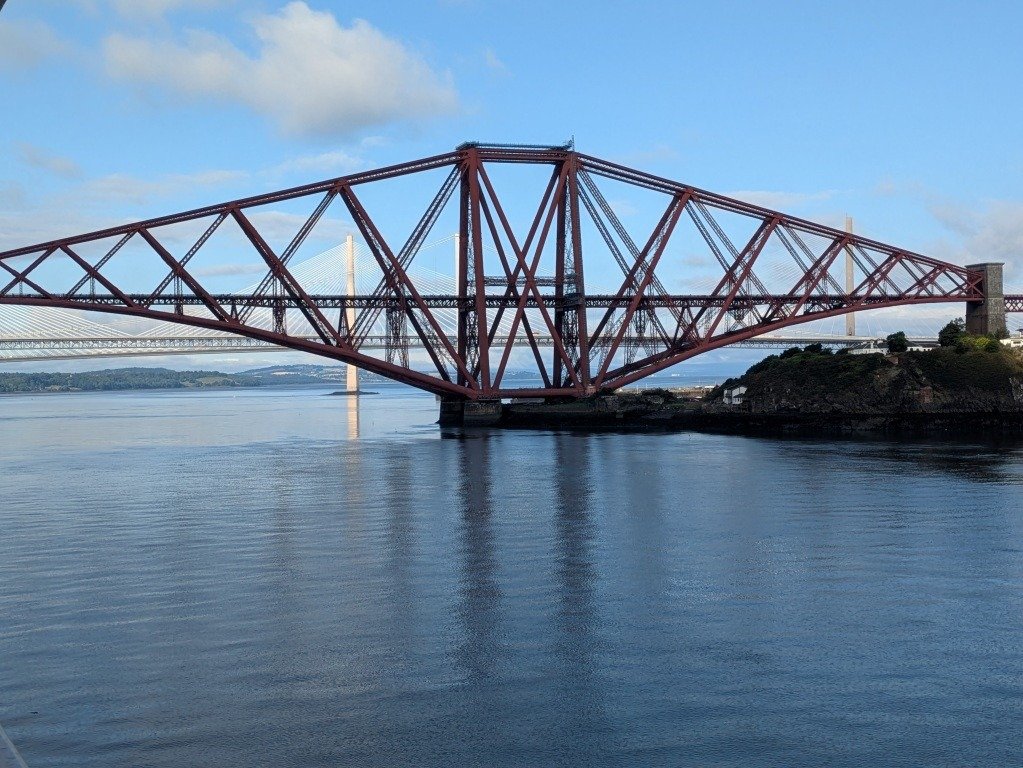
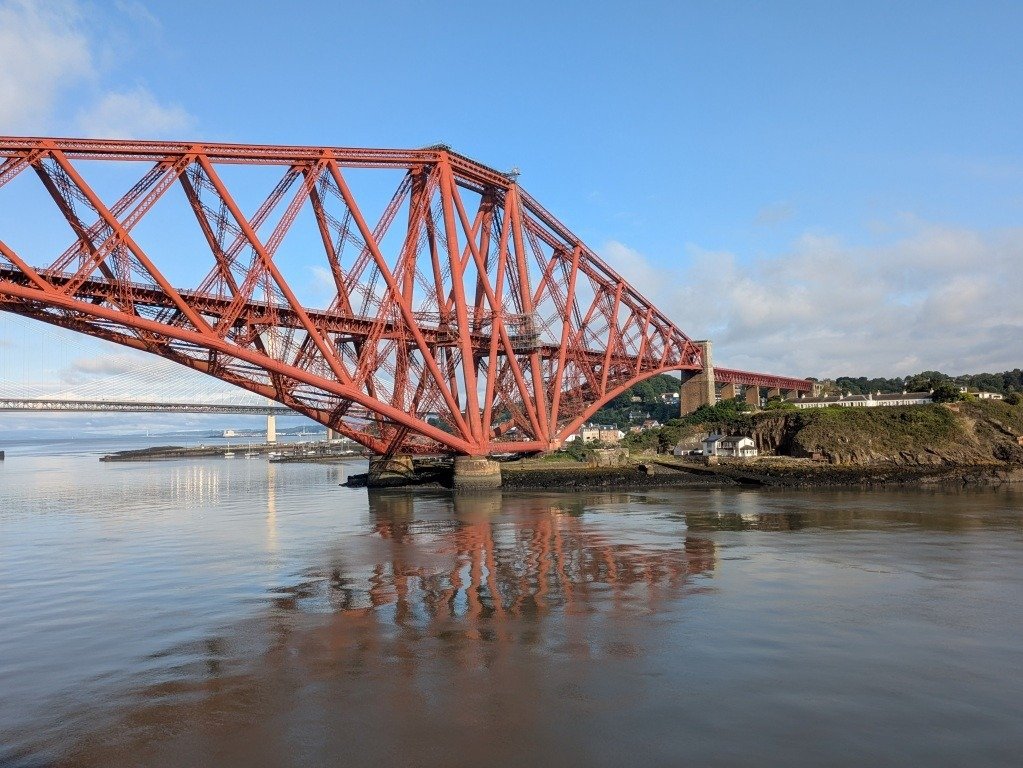
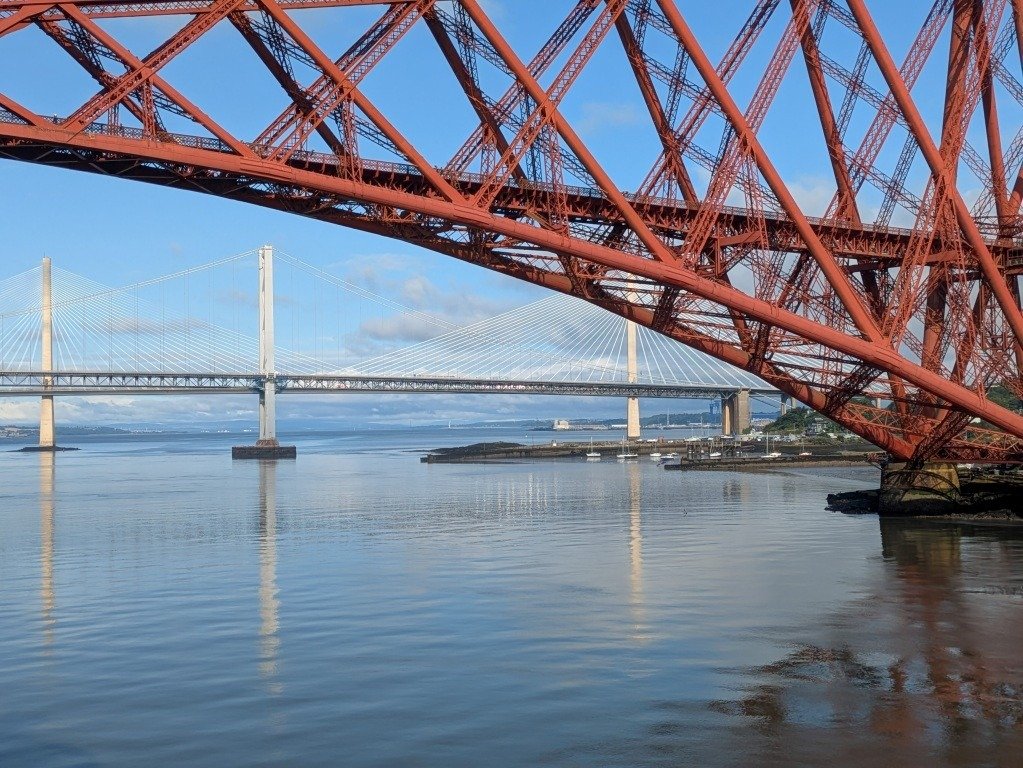
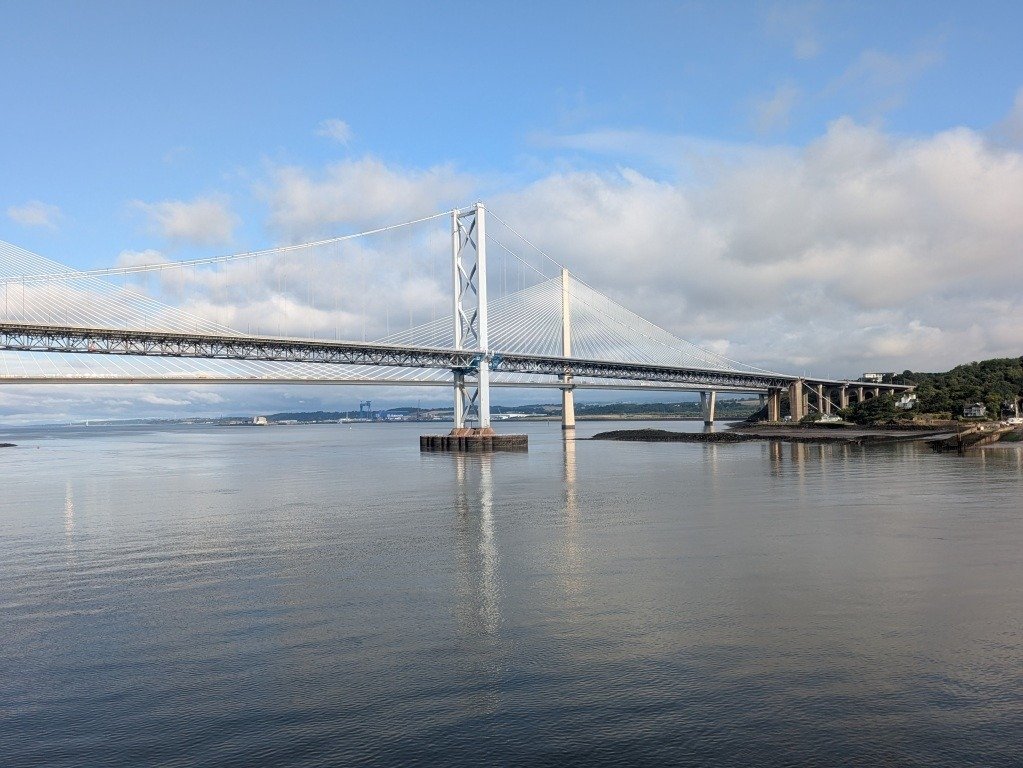
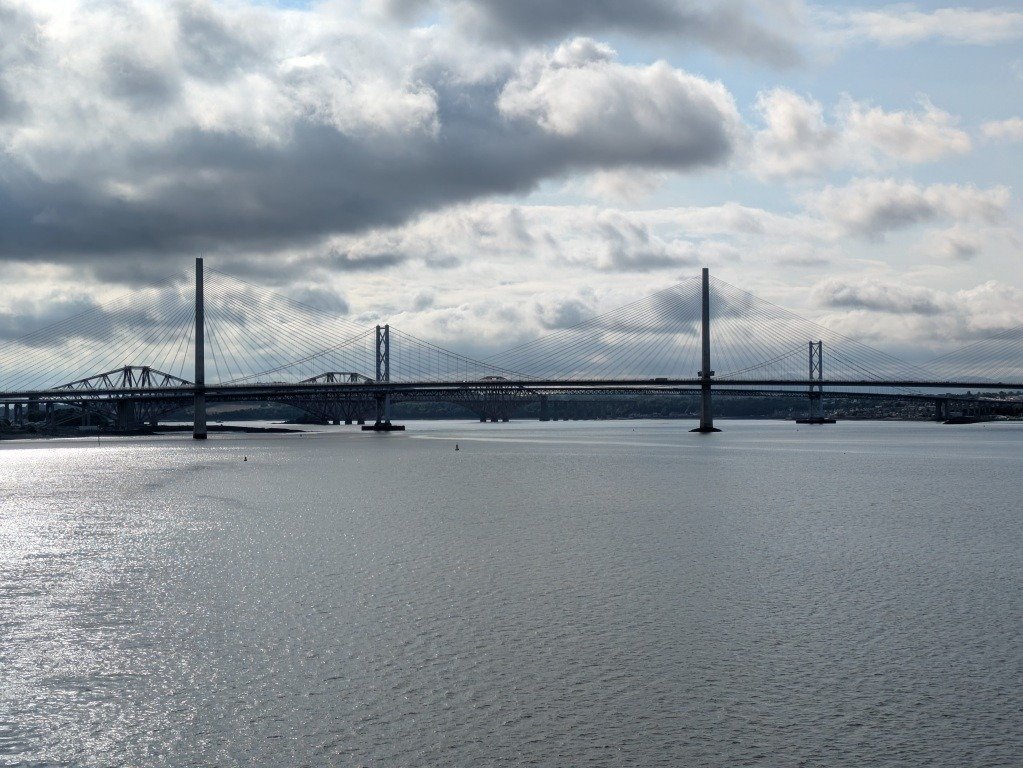
Sailed up the Firth of Forth early on Friday morning with overcast skies and temperature around 19c. Escorted by a pod of porpoises for a while. Passed under the bridges around 9am. There are now 3 bridges across the Firth of Forth.
- The original steel cantilever train bridge opened in 1890
- The Forth road bridge, long-span suspension bridge opened in Sept 1964.
- The Queensferry crossing, 3 tower cable stayed bridge opened in Aug 2017.
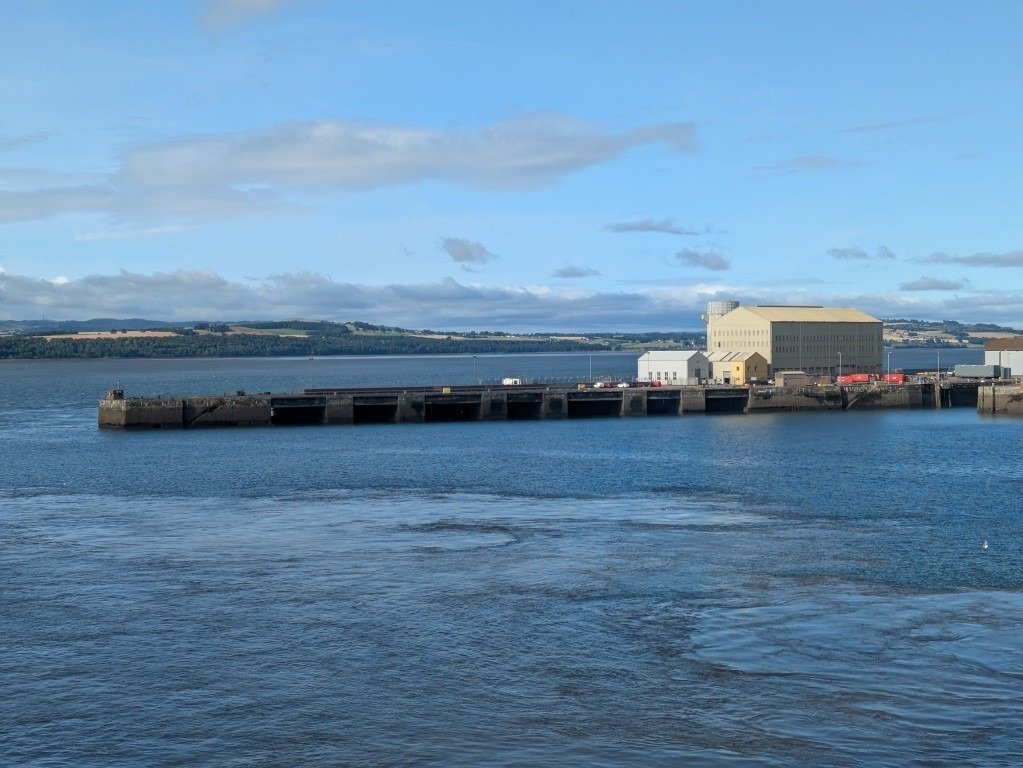
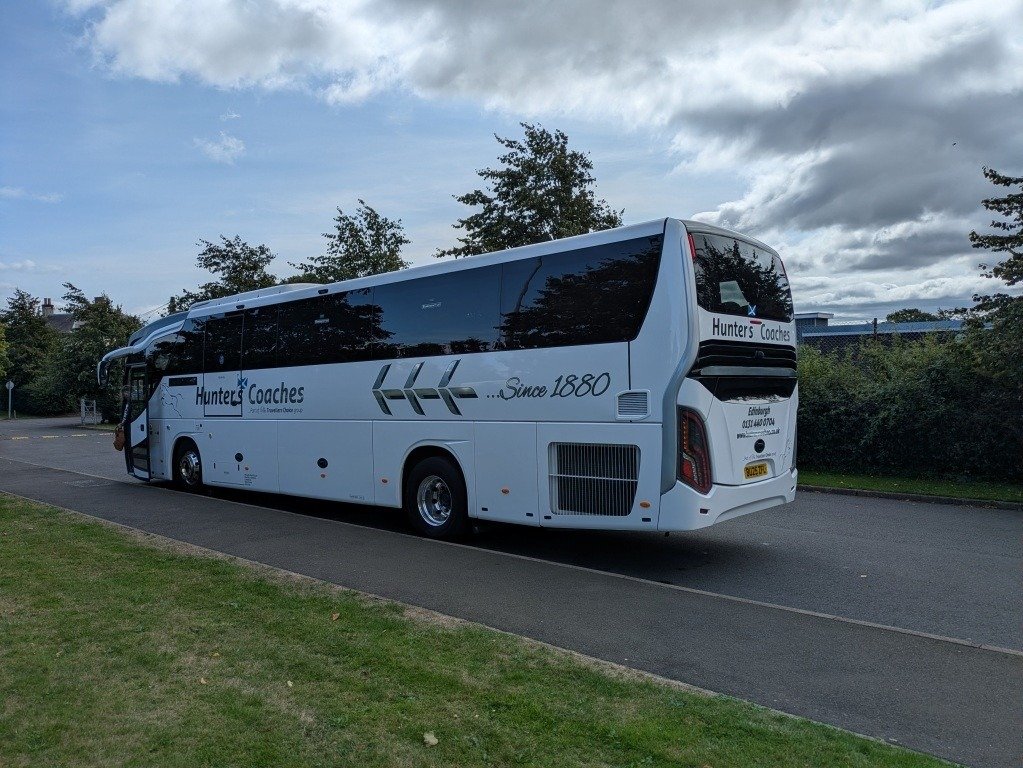
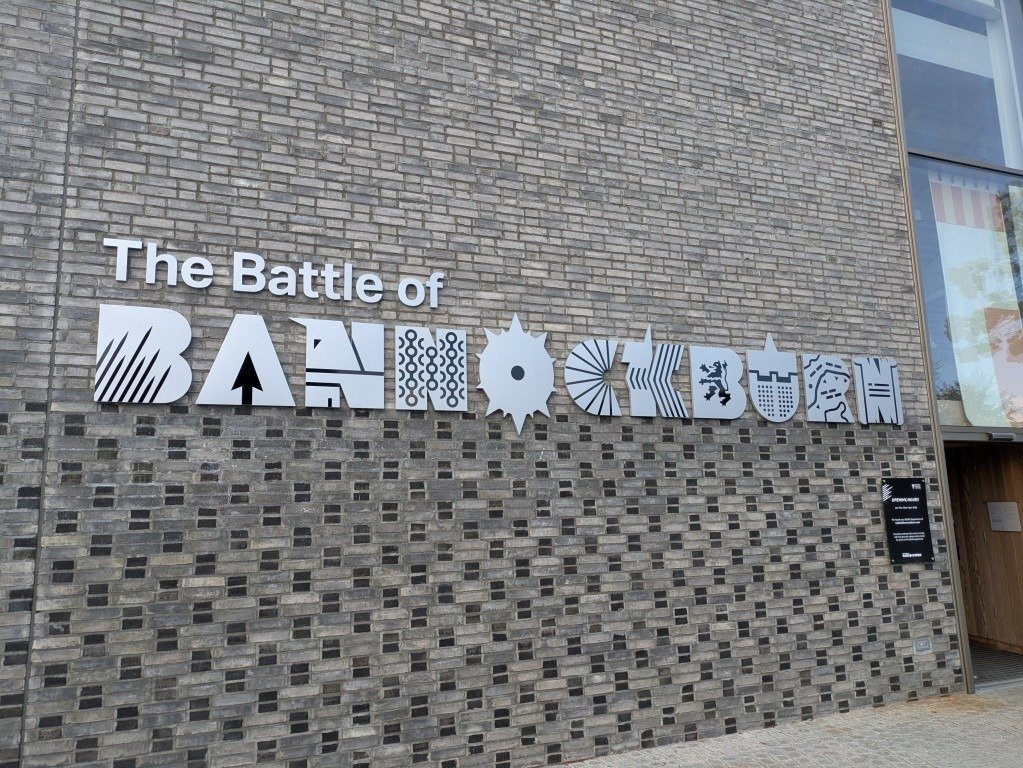
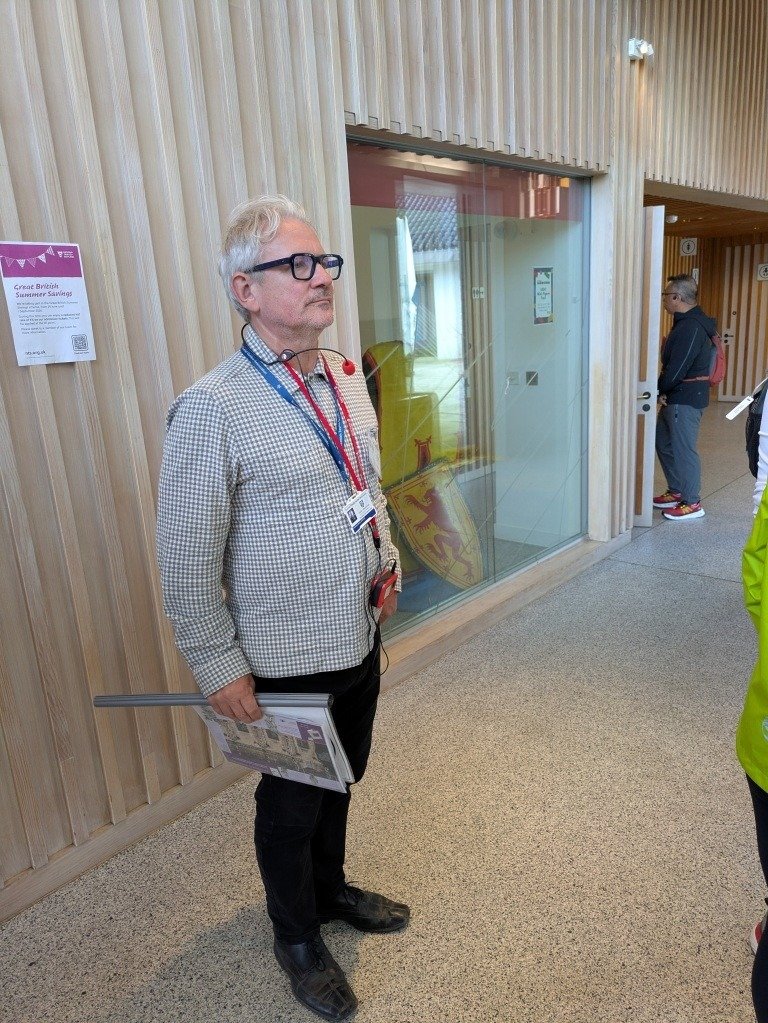
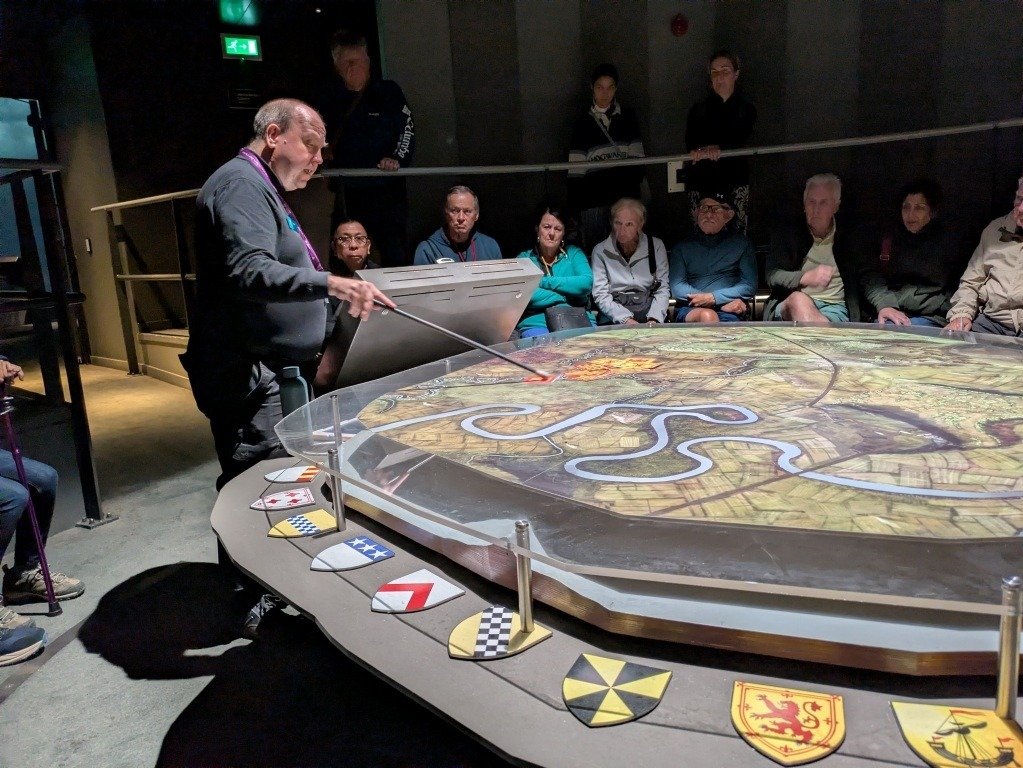
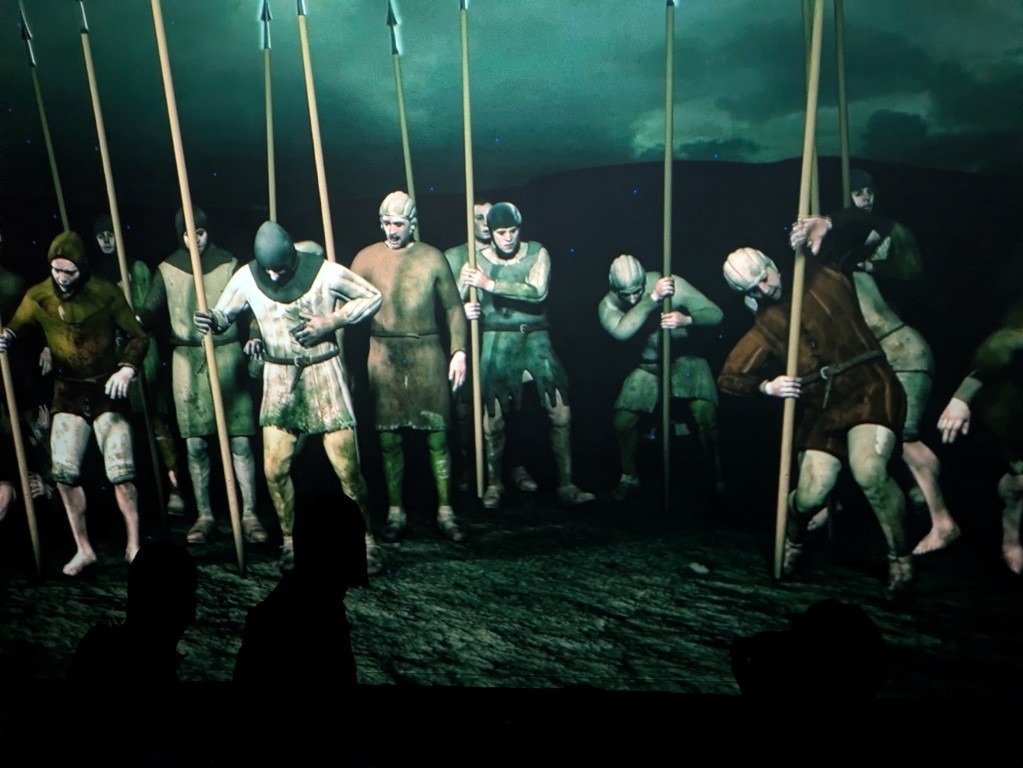
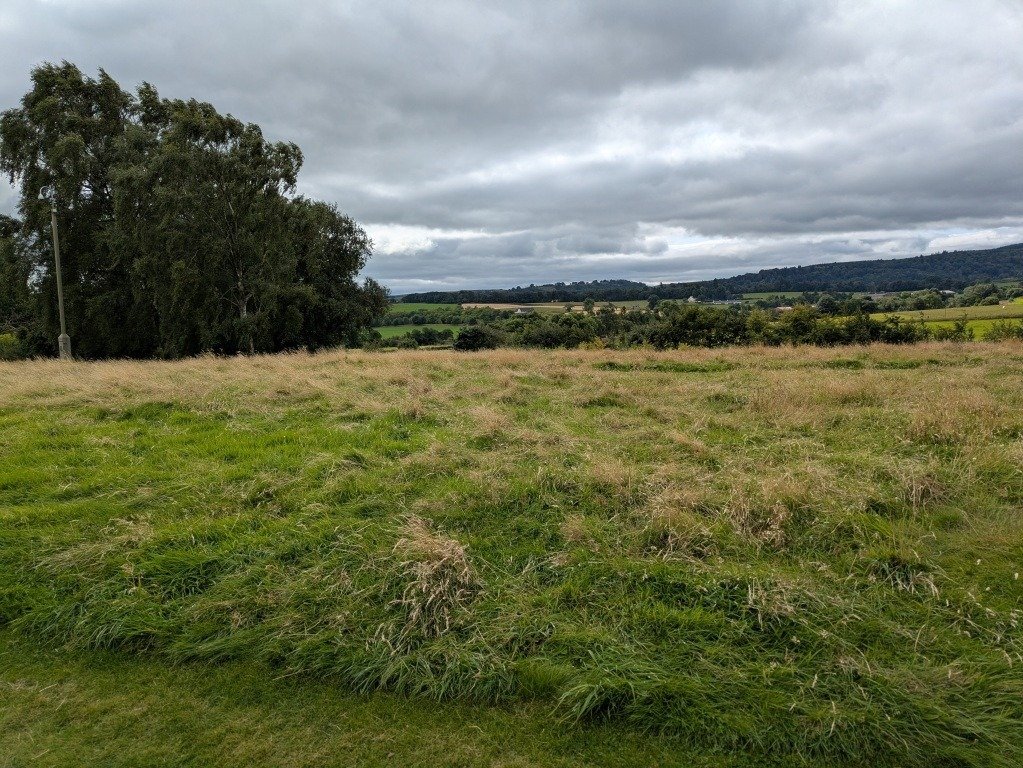
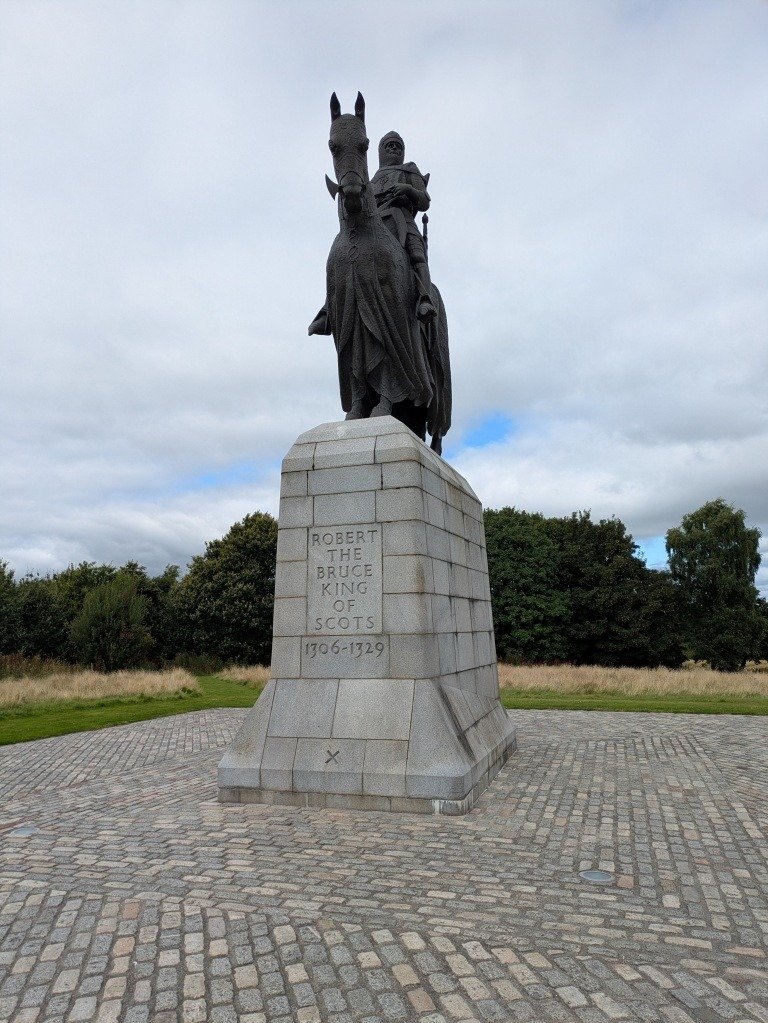
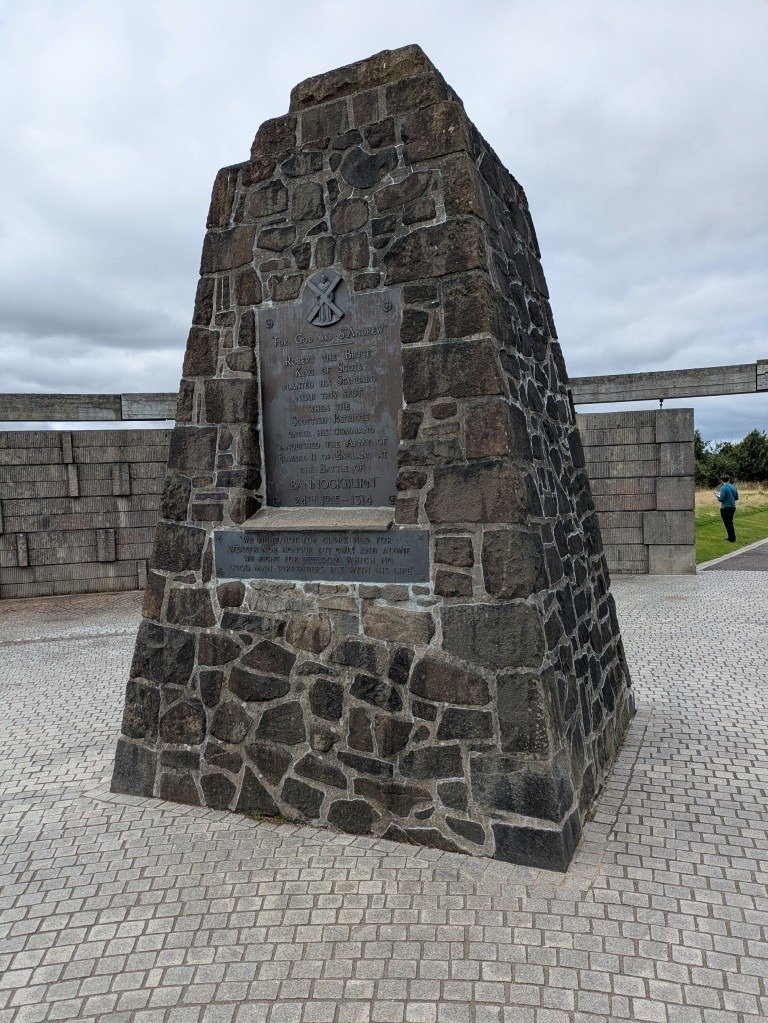
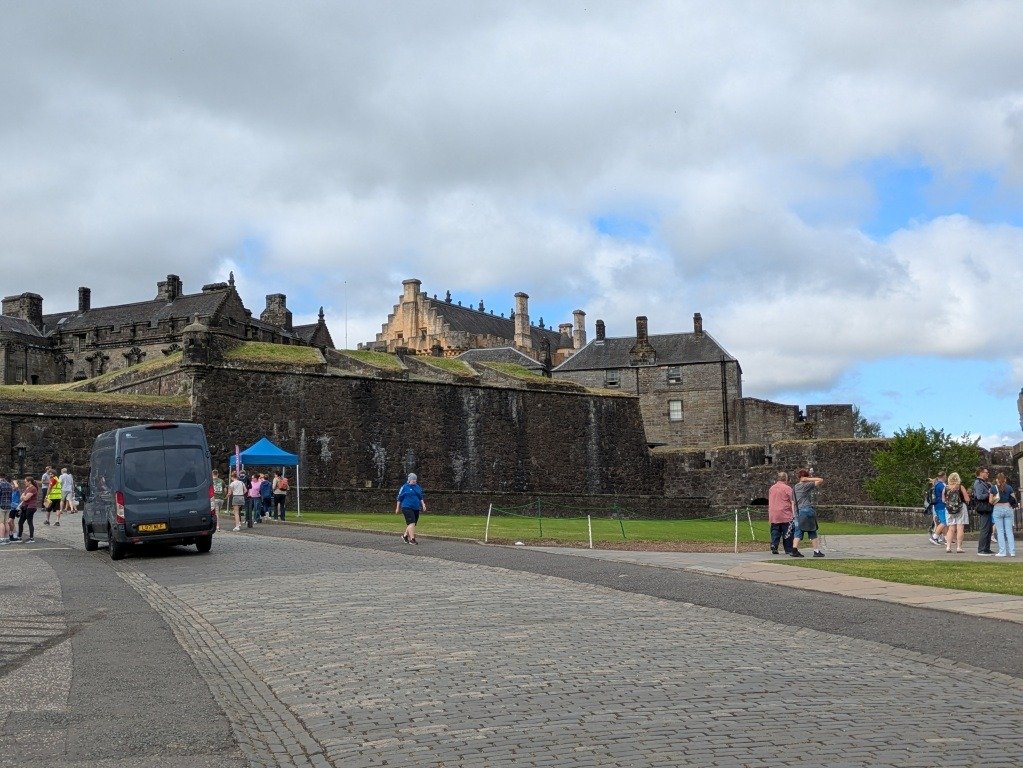
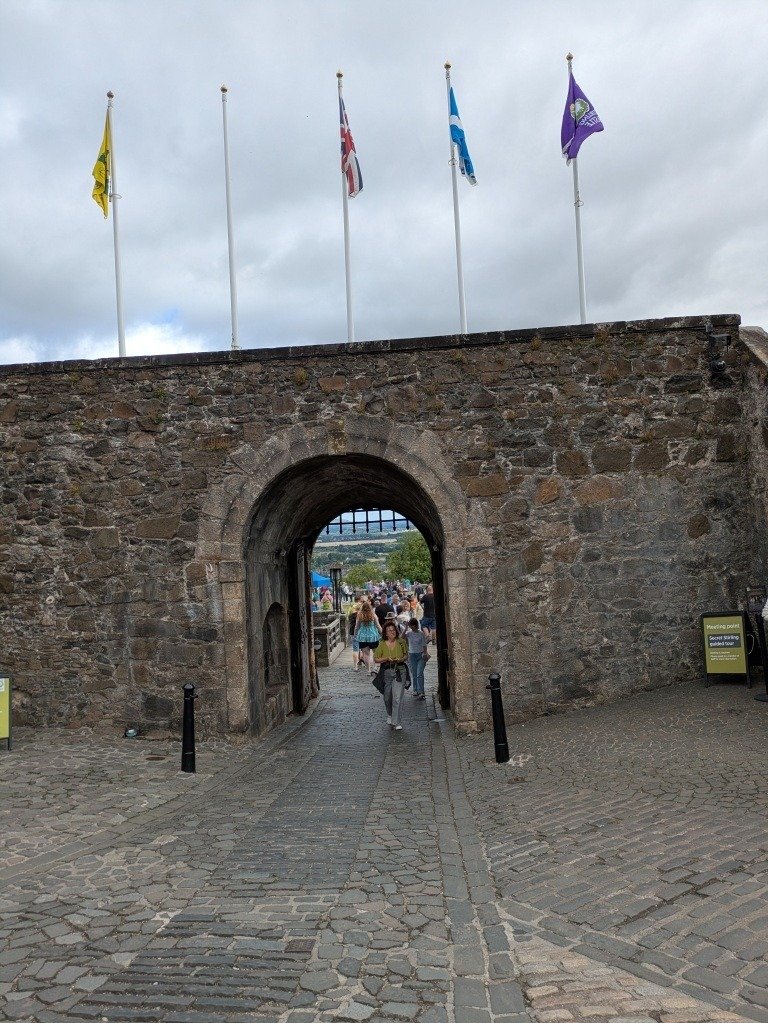
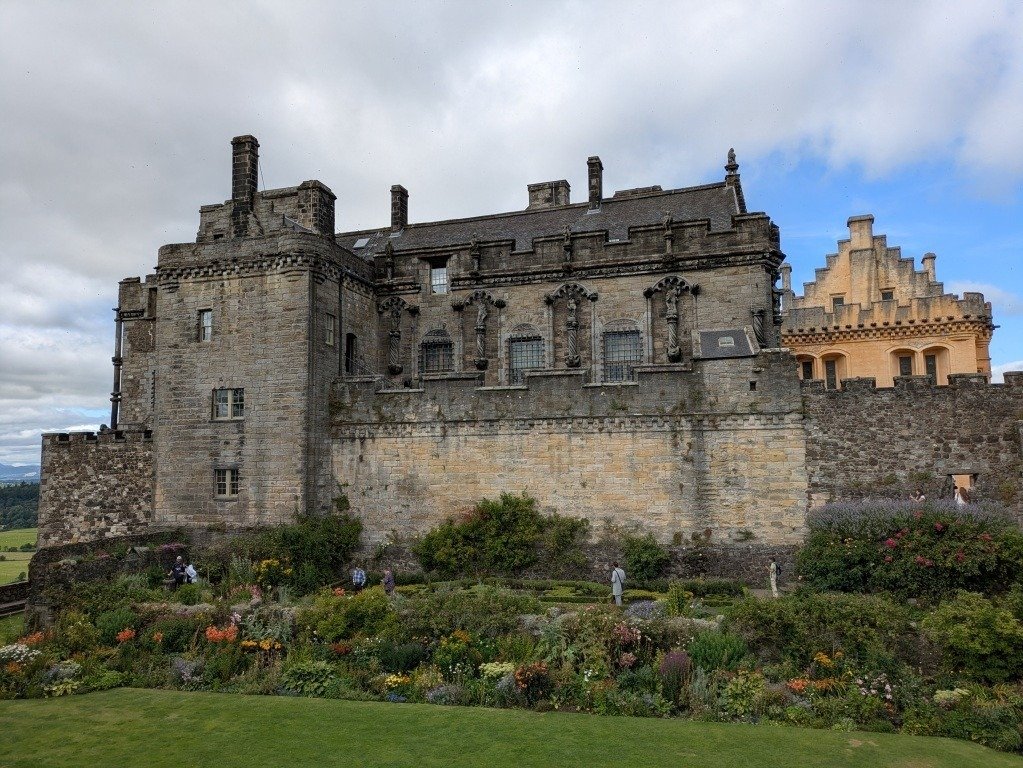
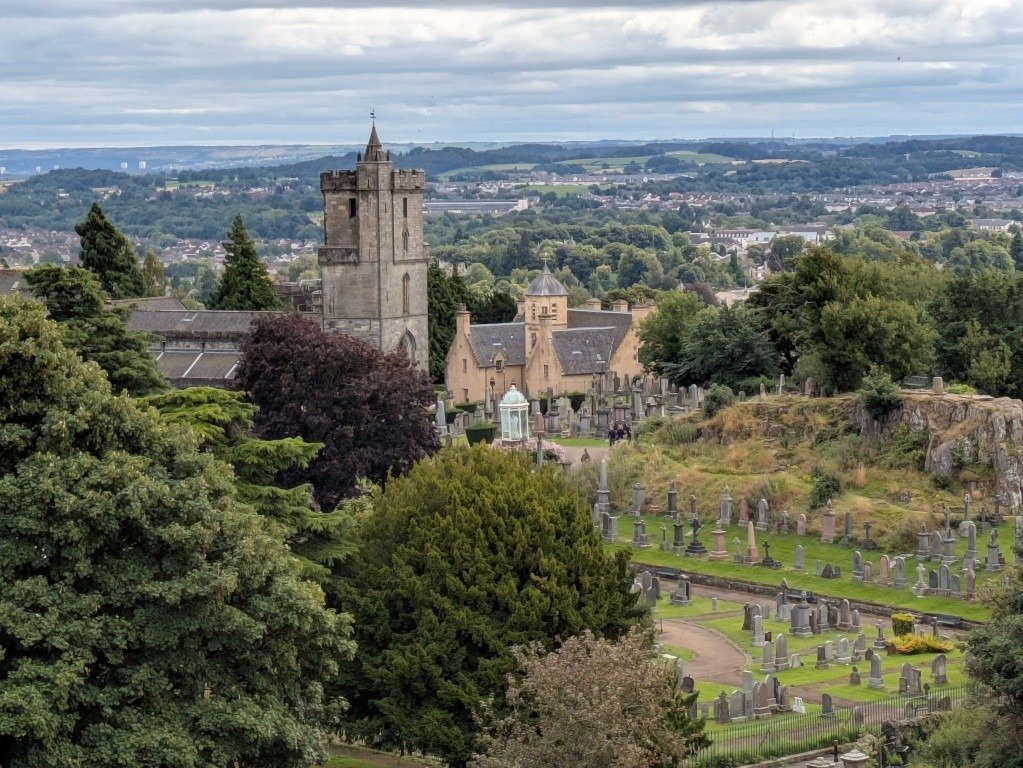
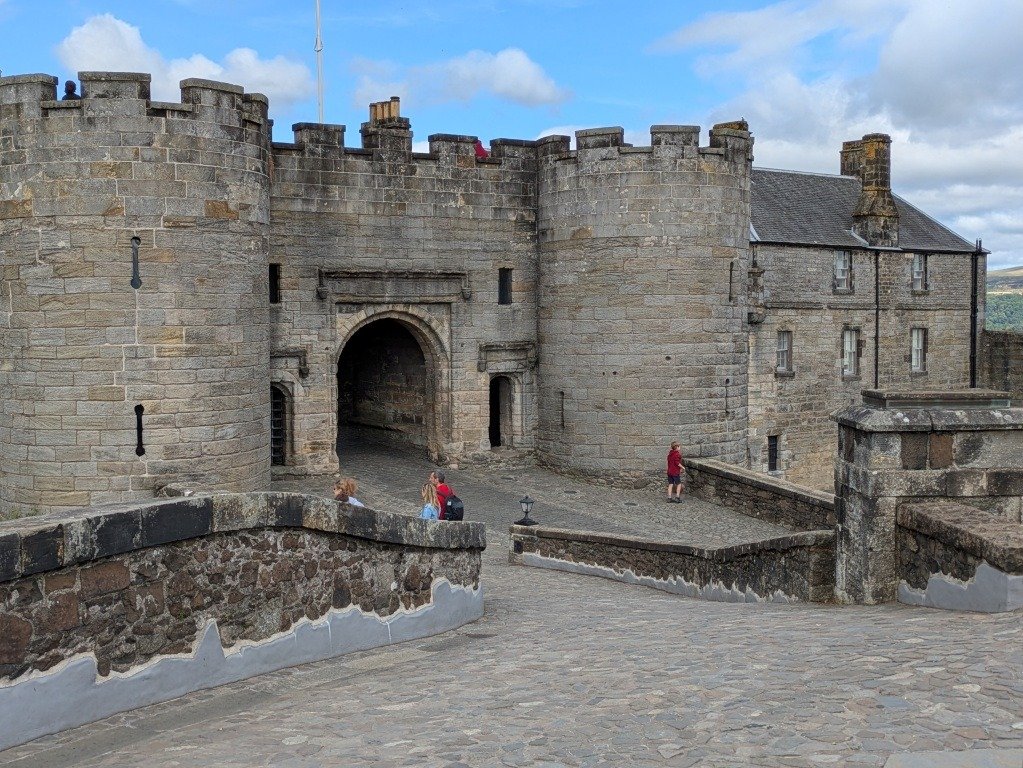
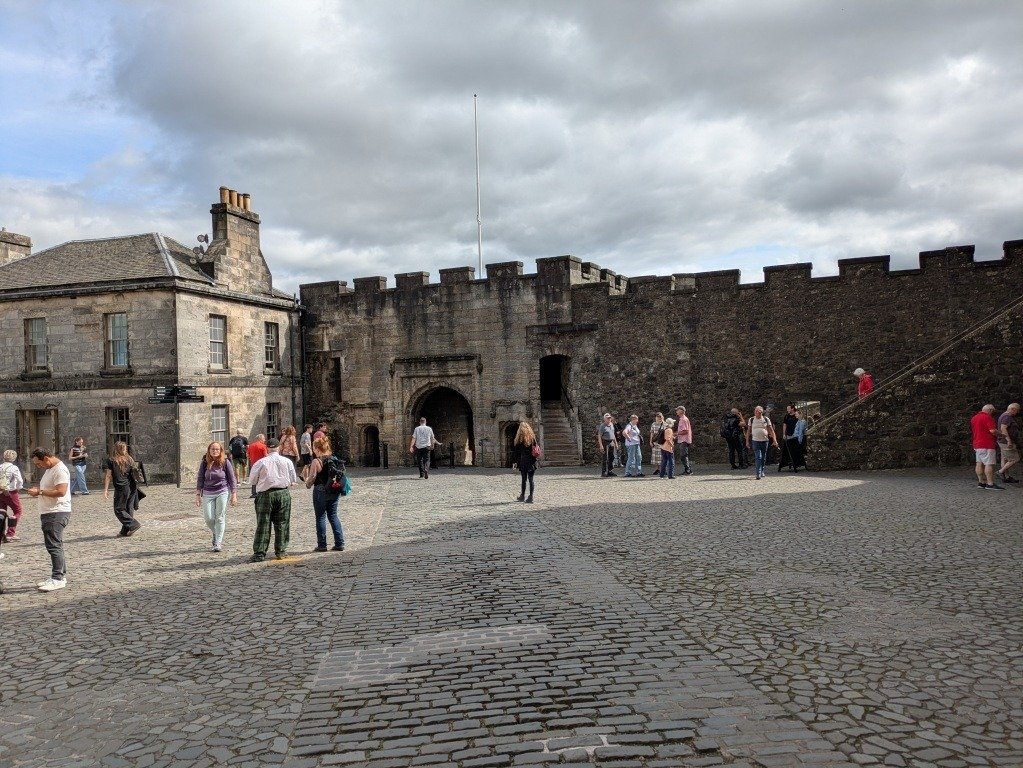
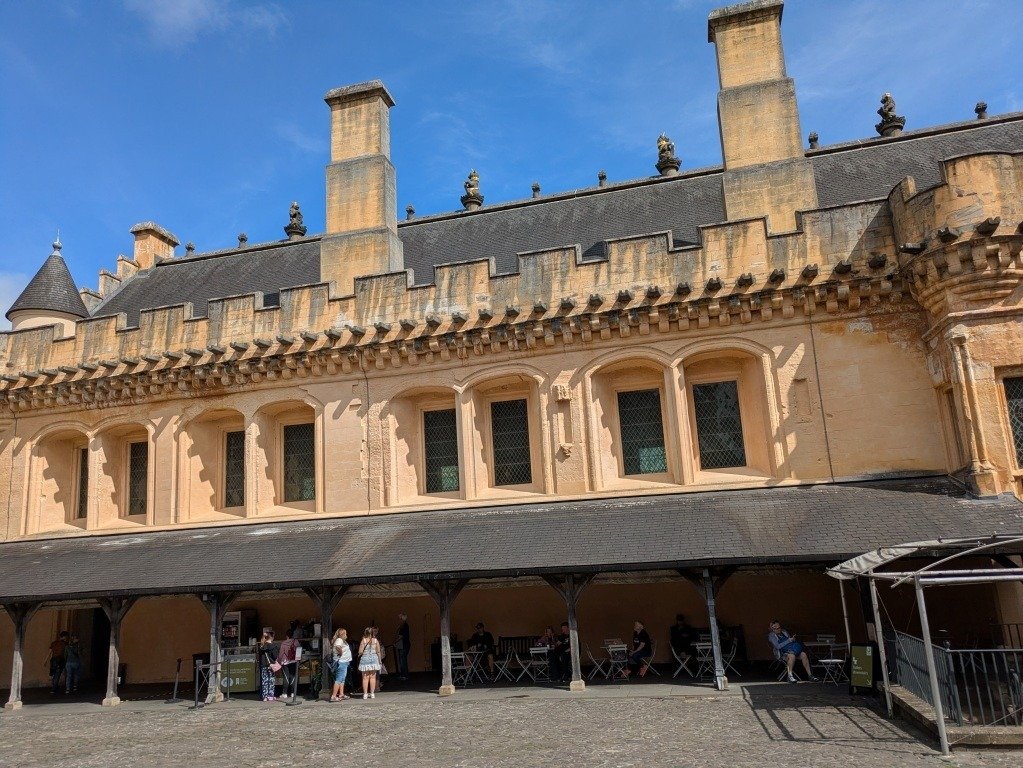
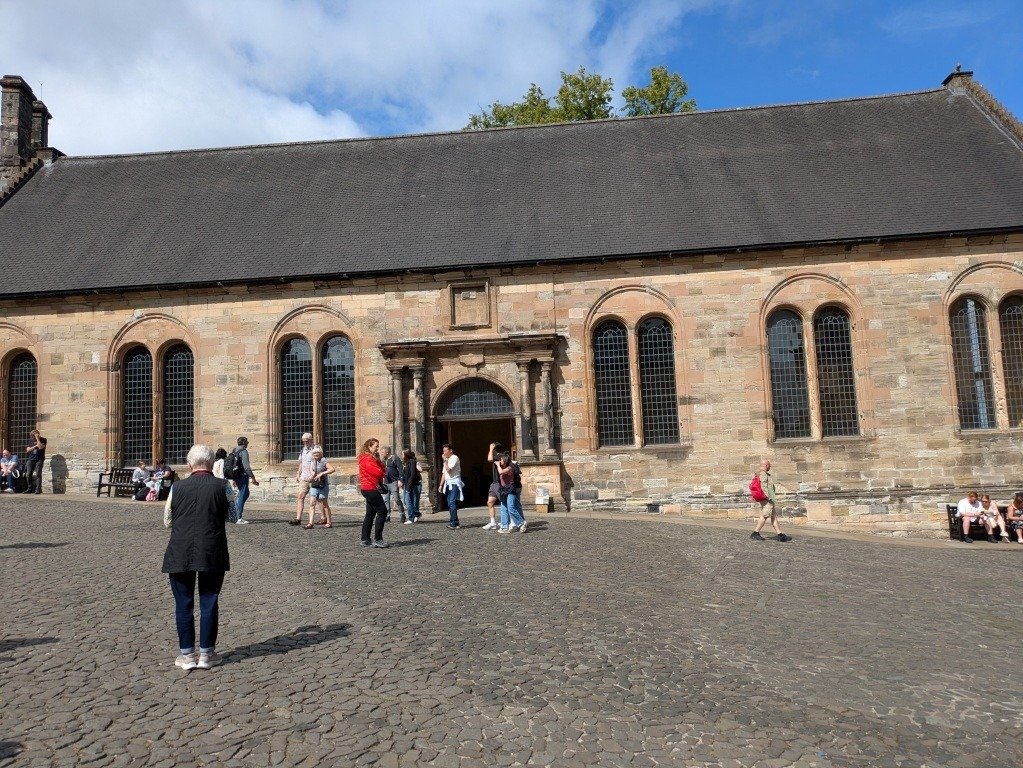
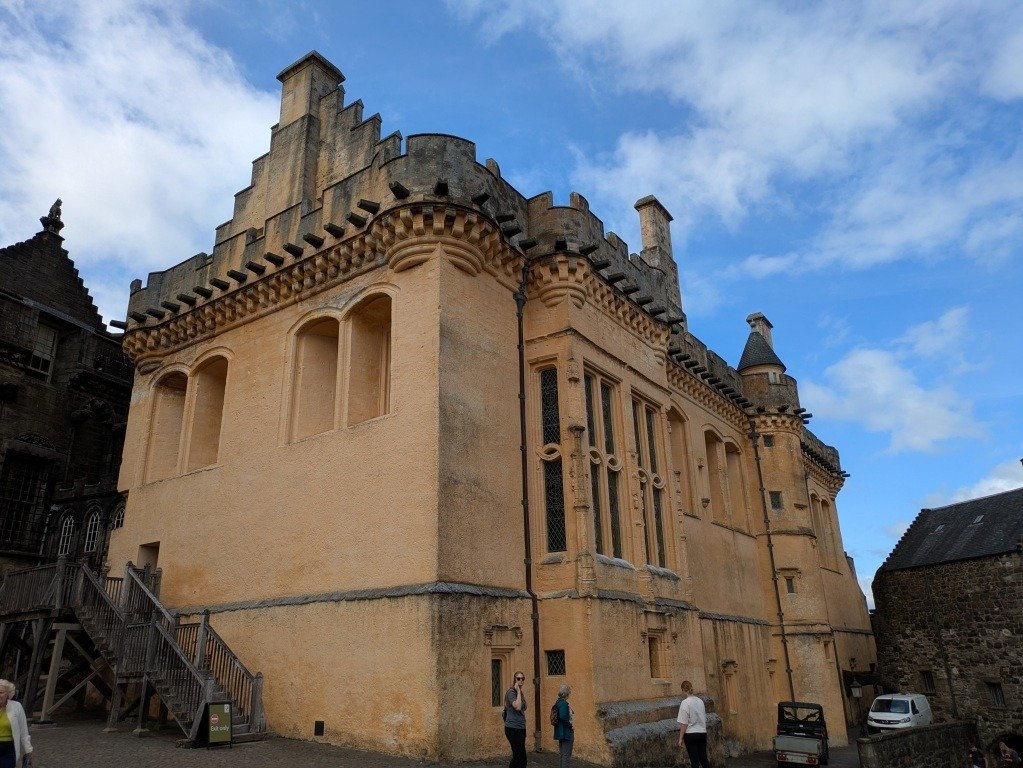
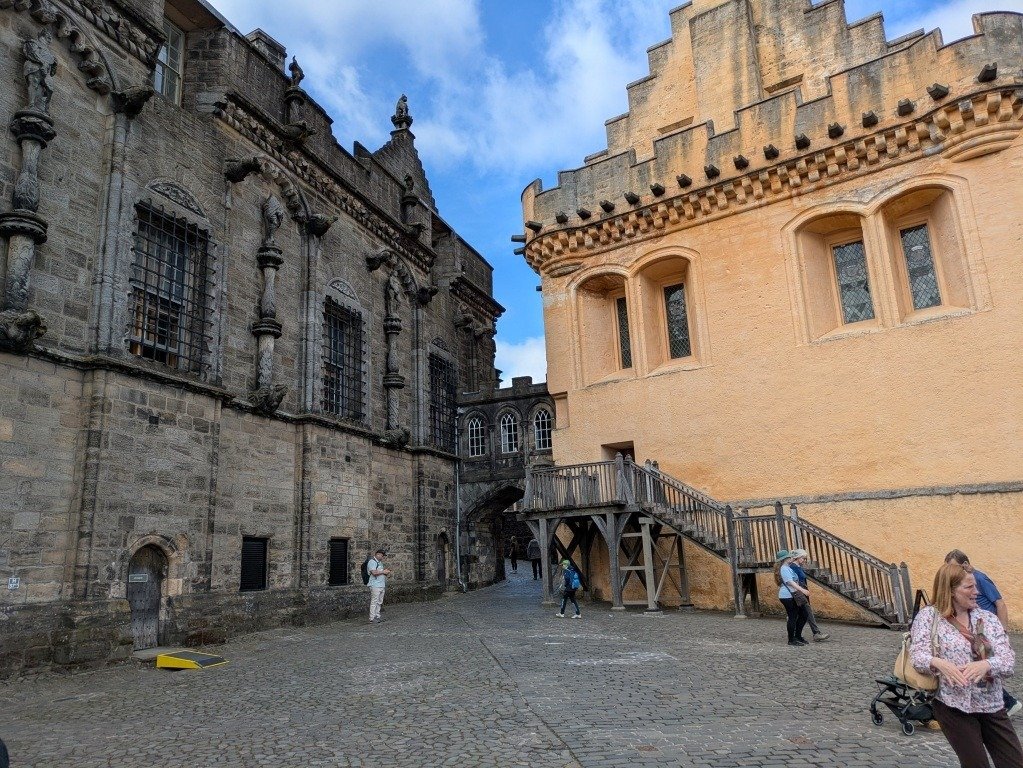
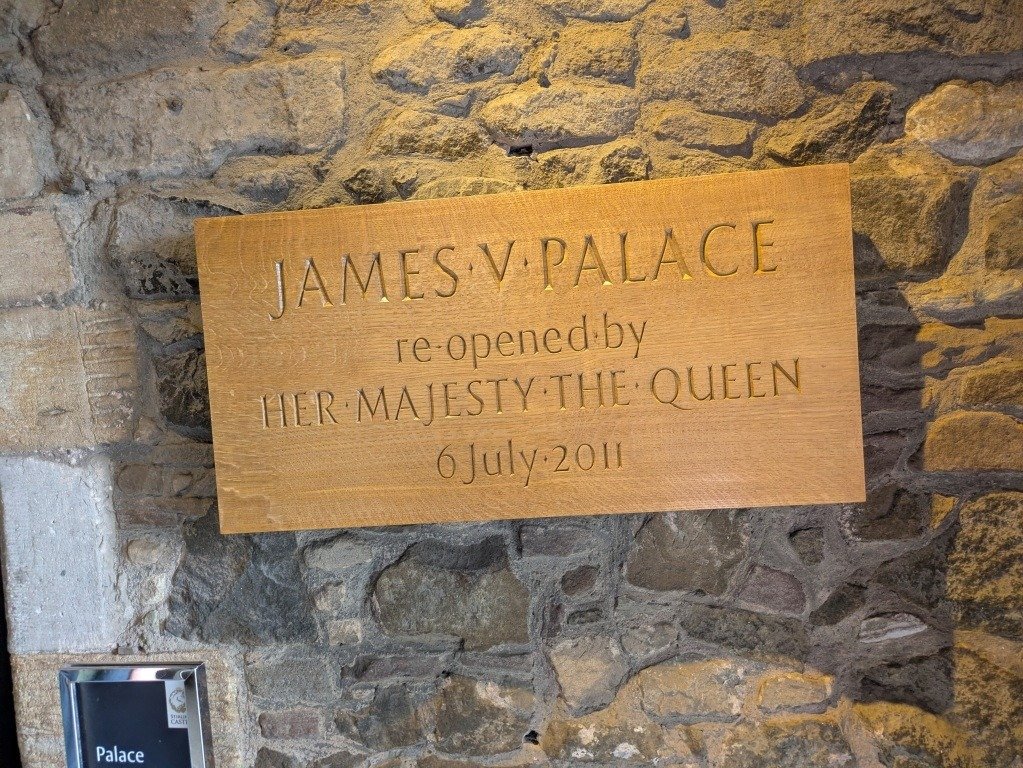
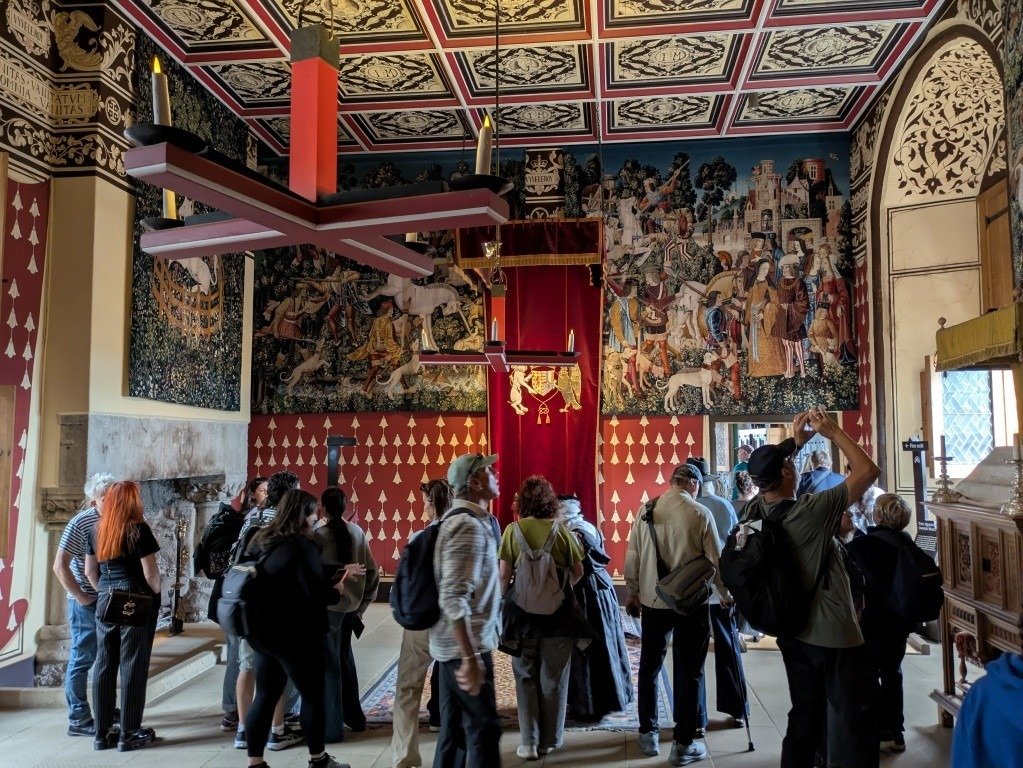
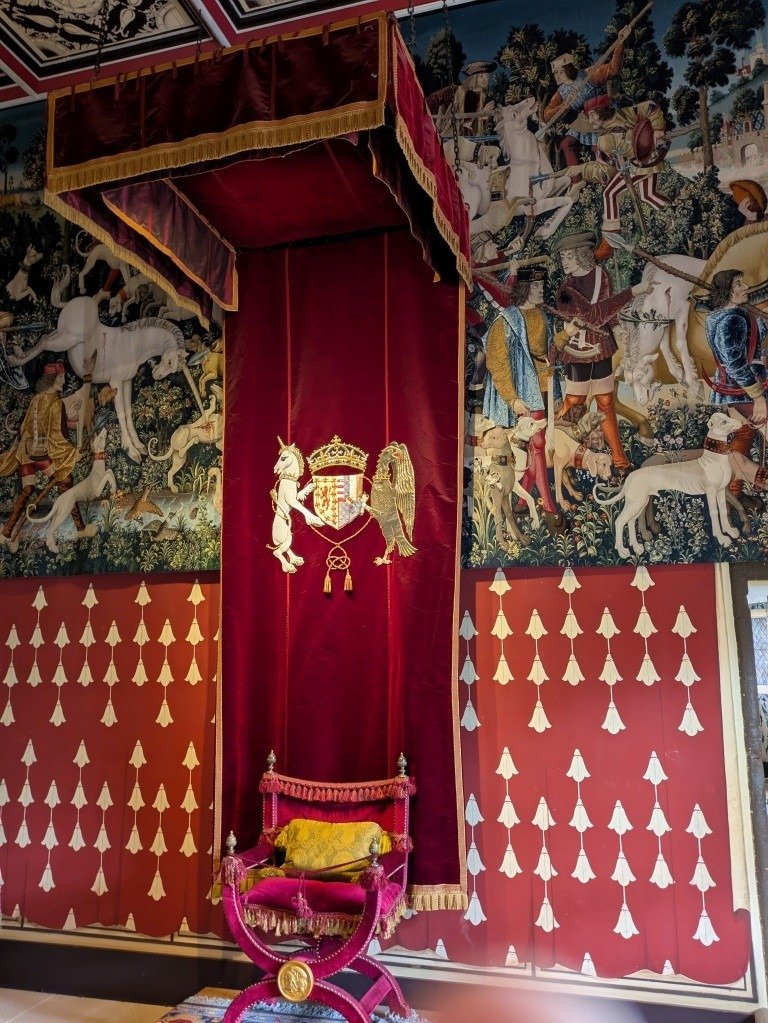
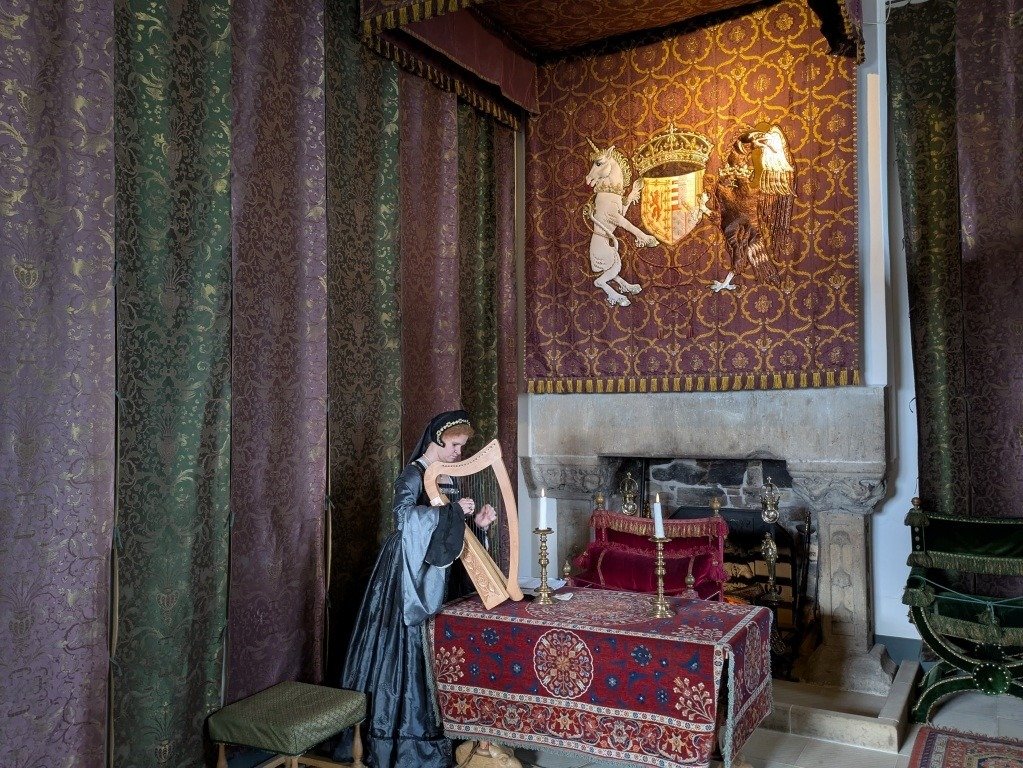
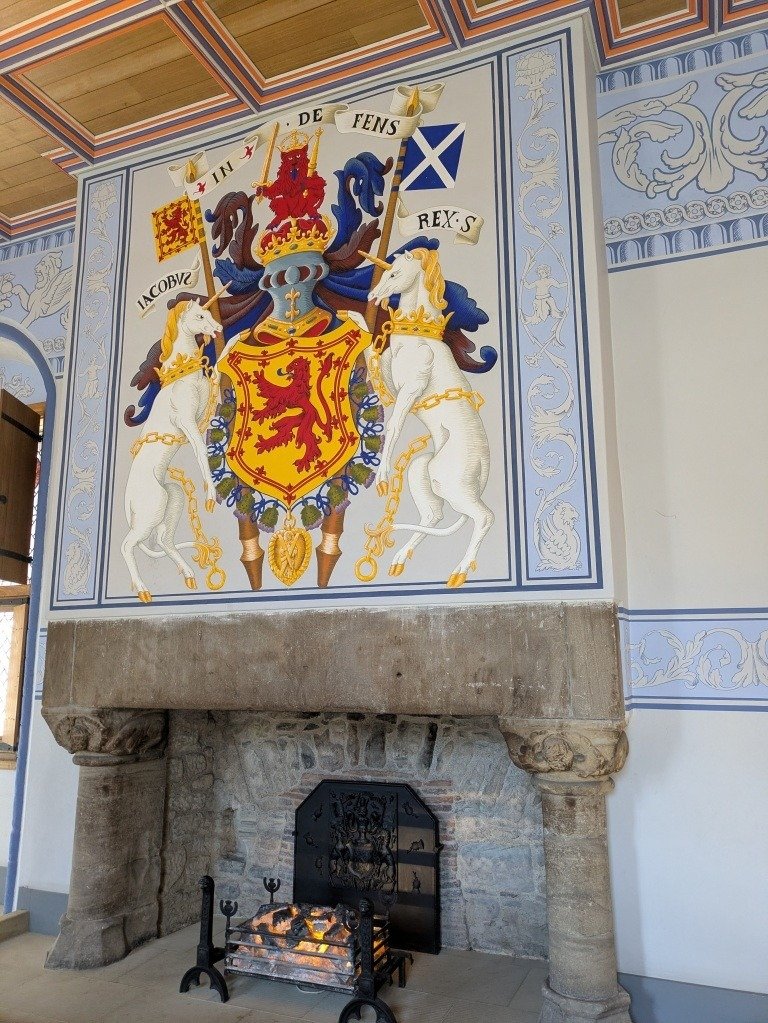
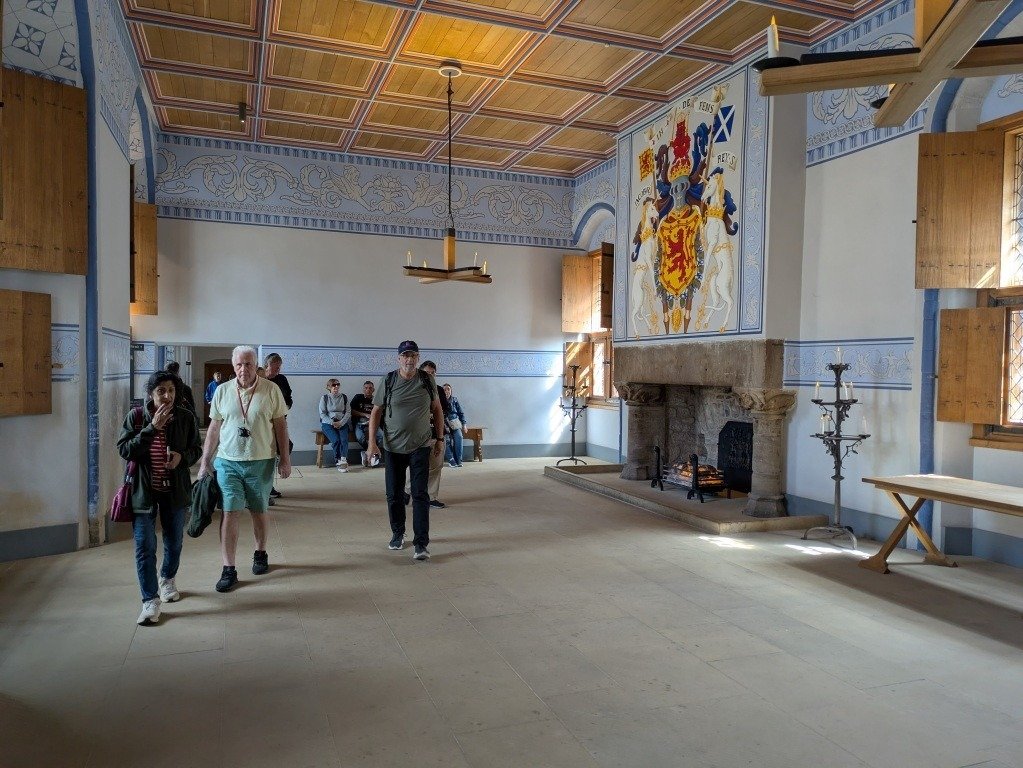
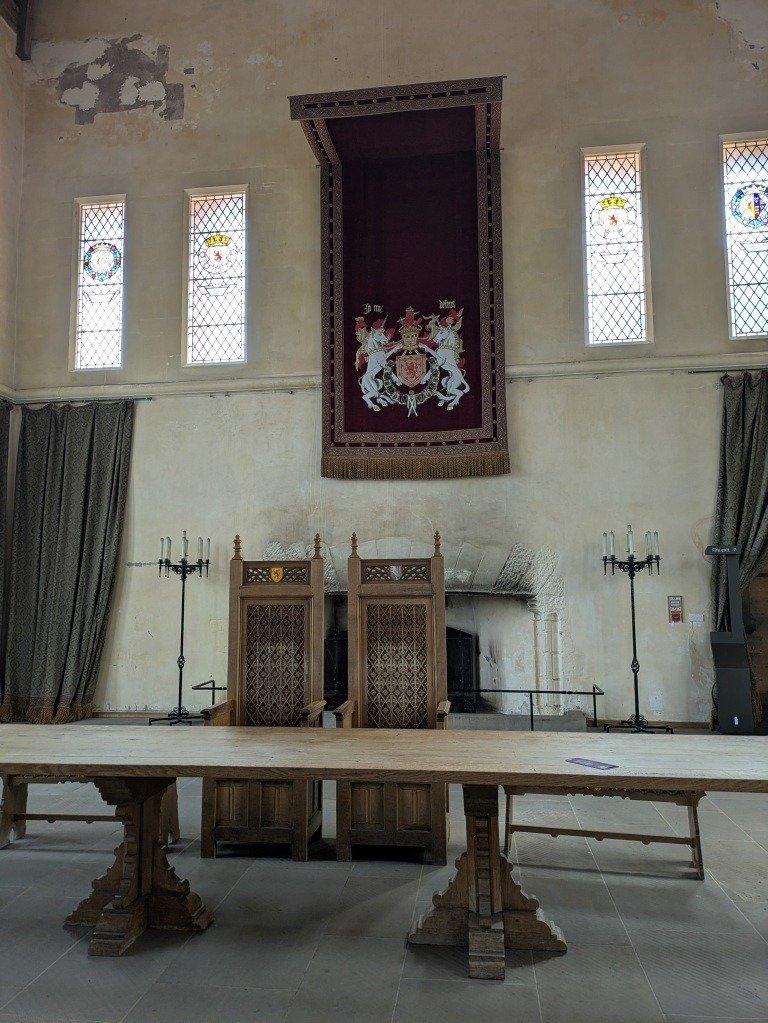
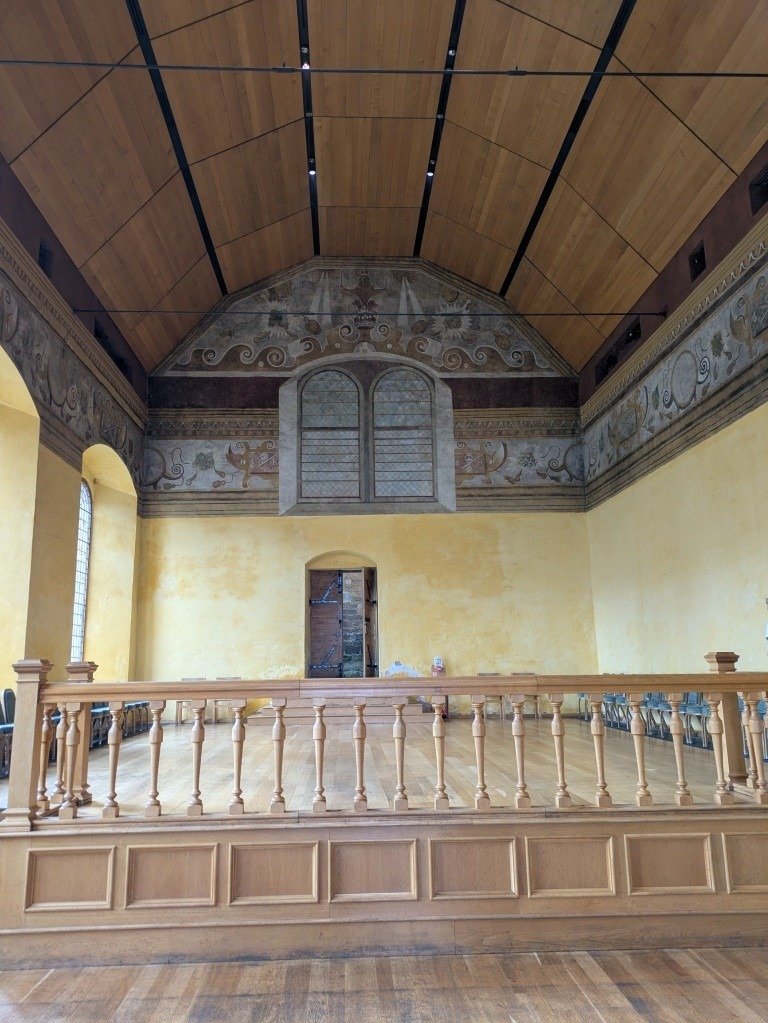
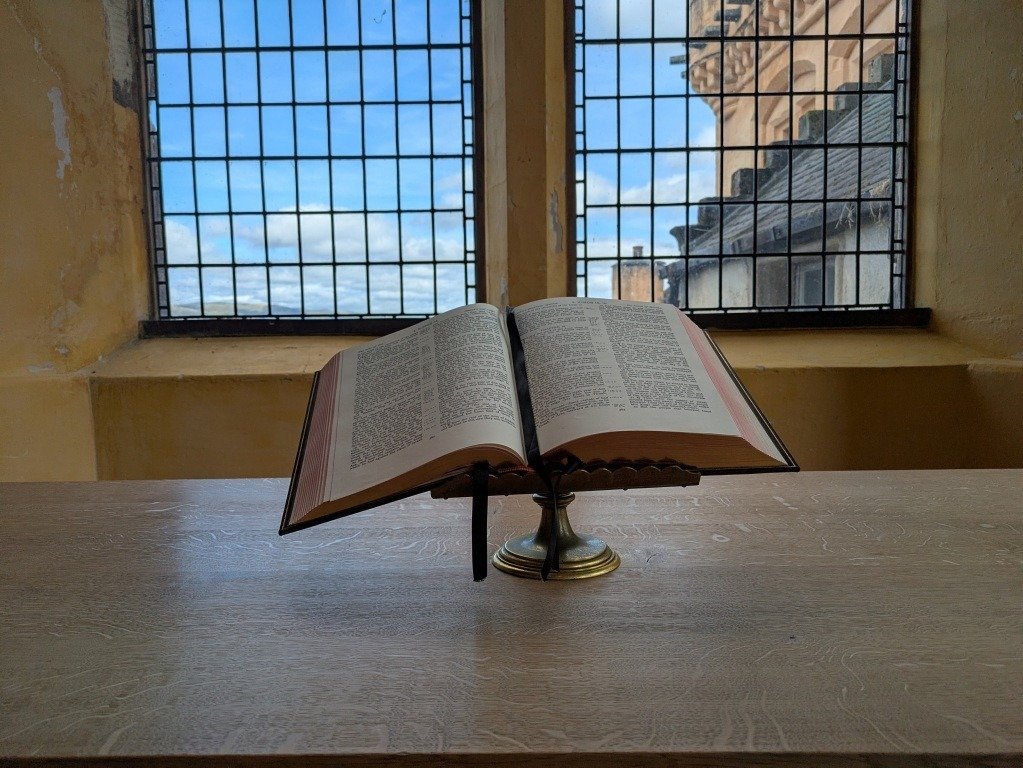
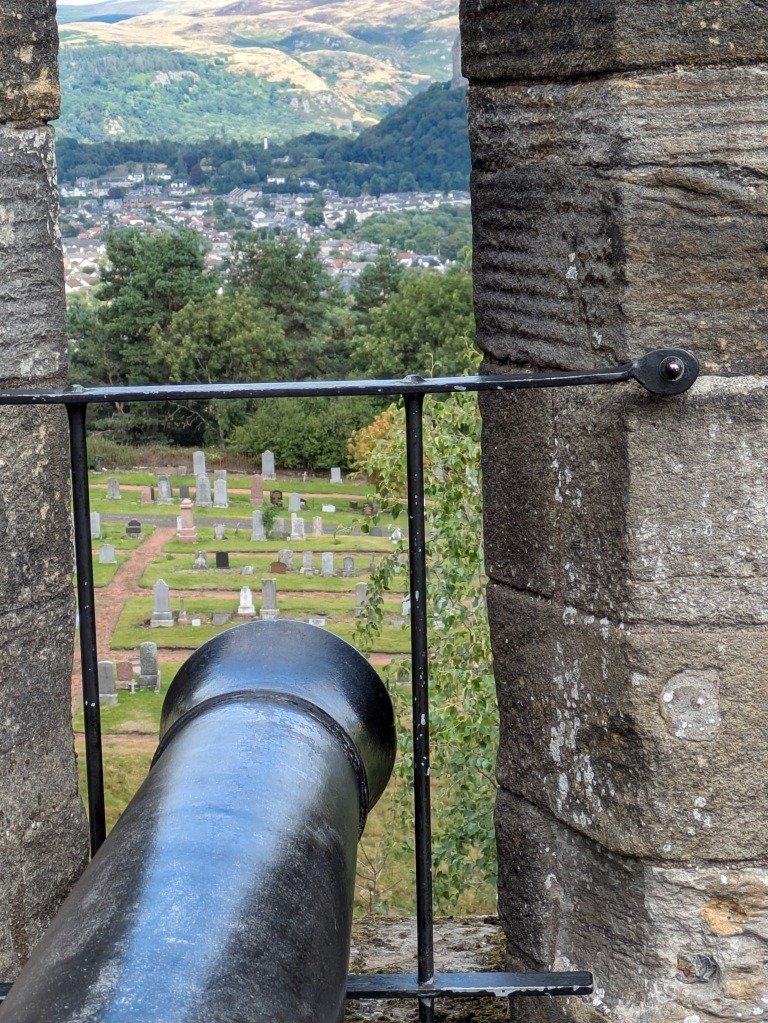
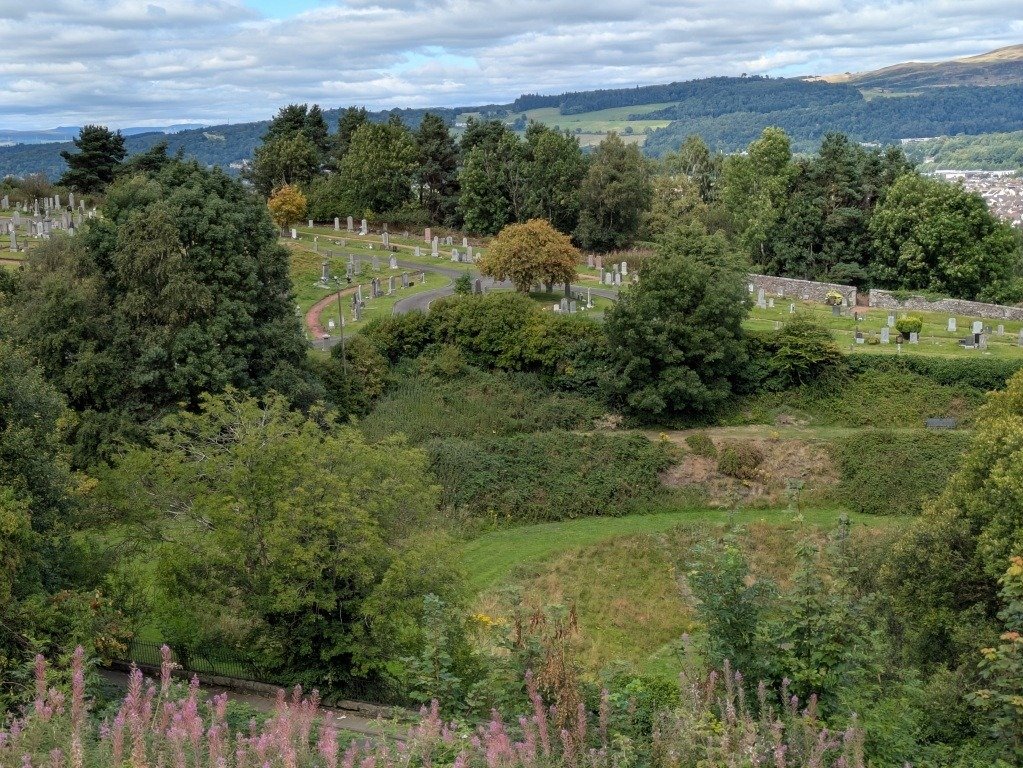
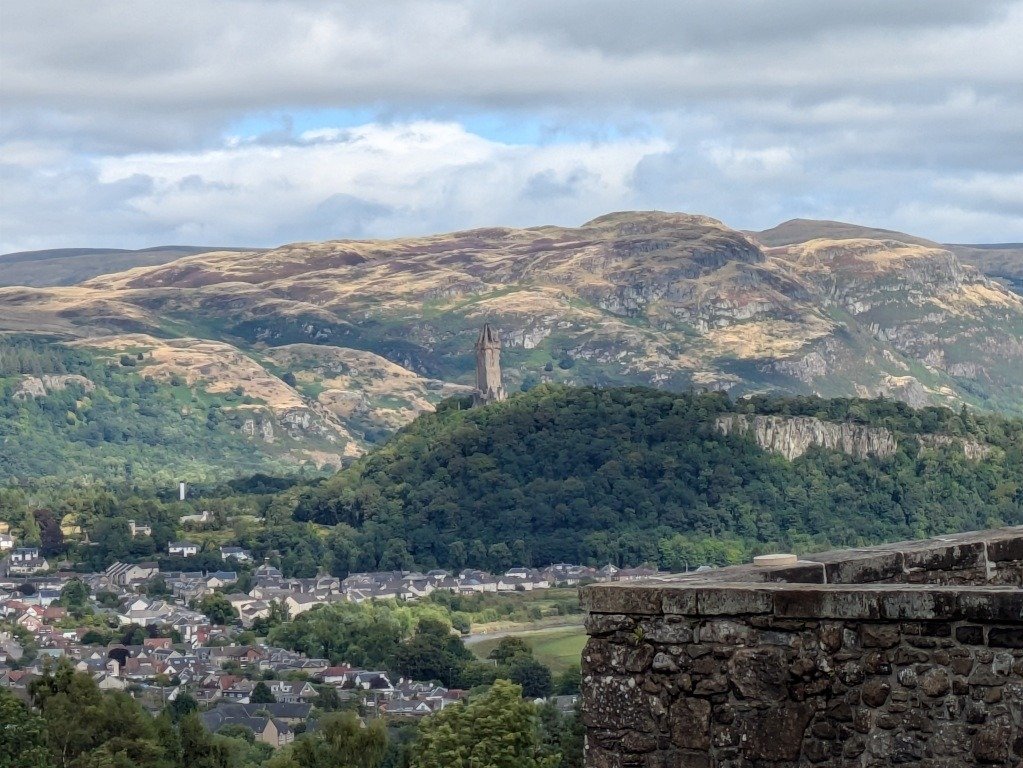
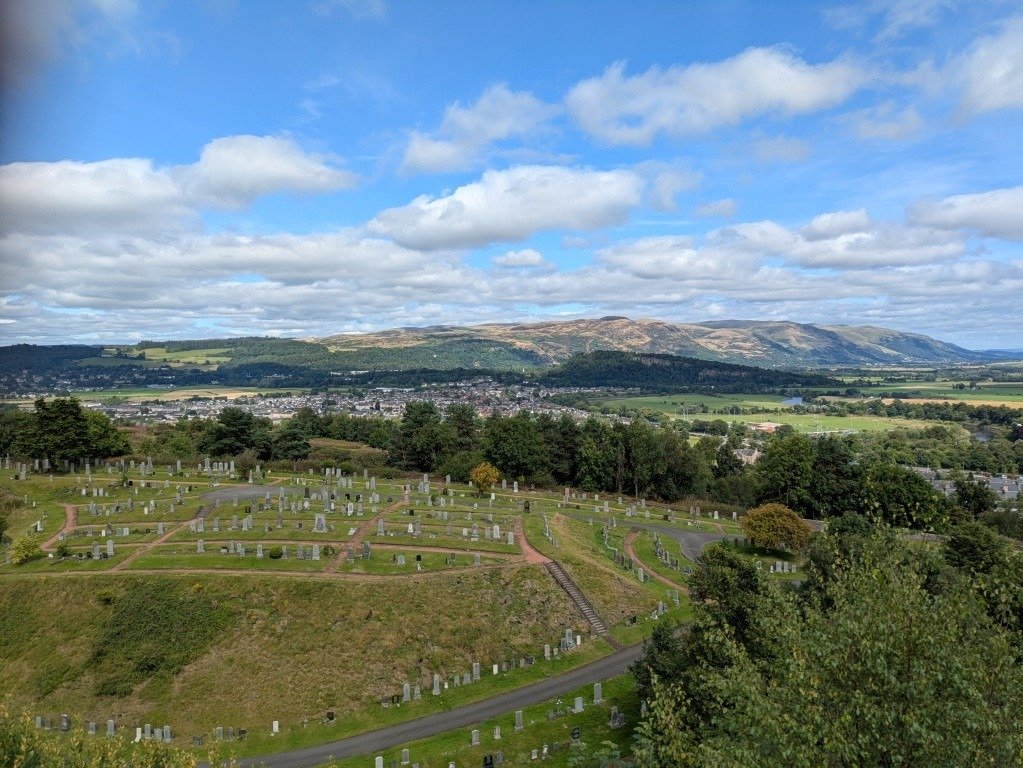
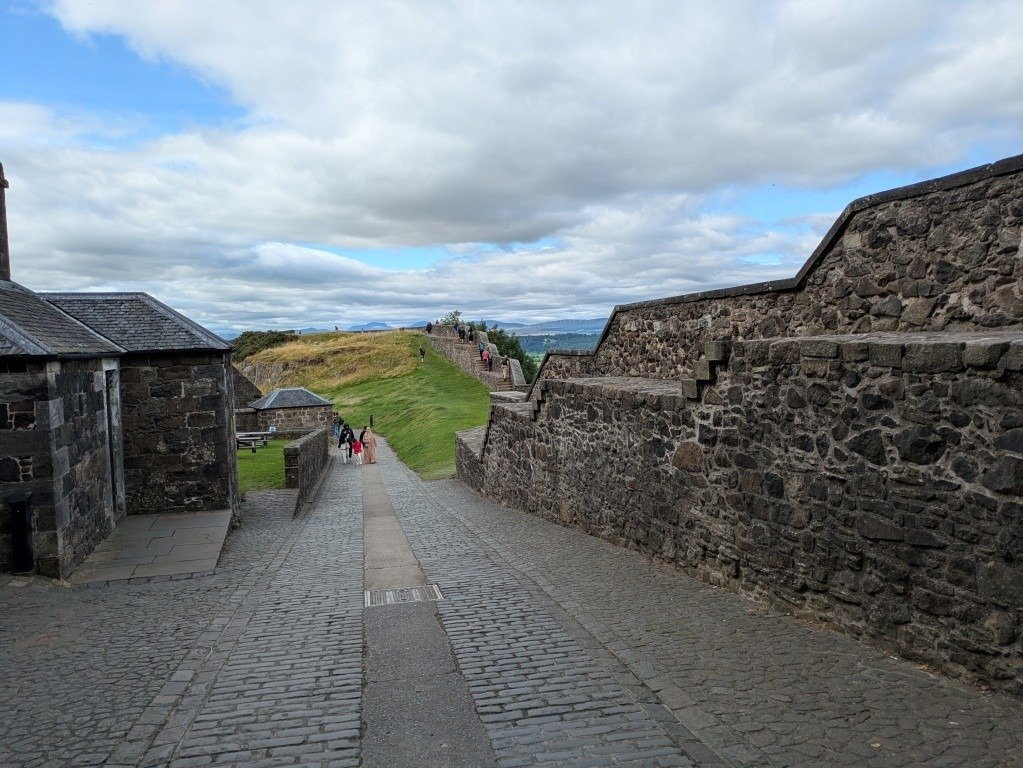
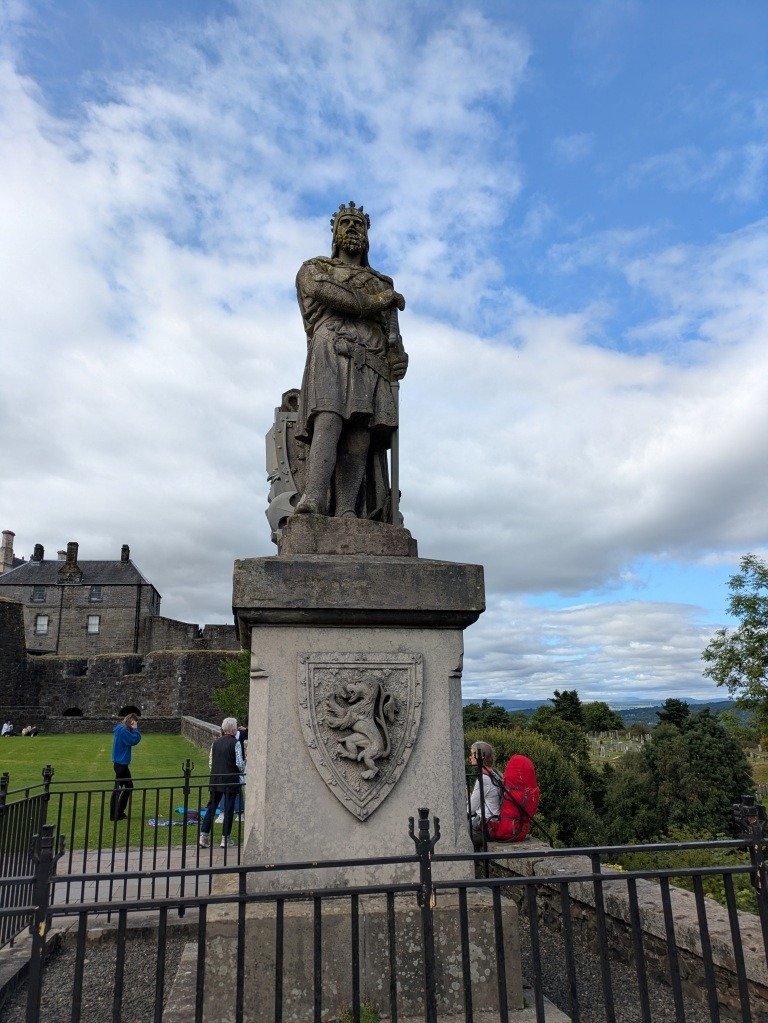
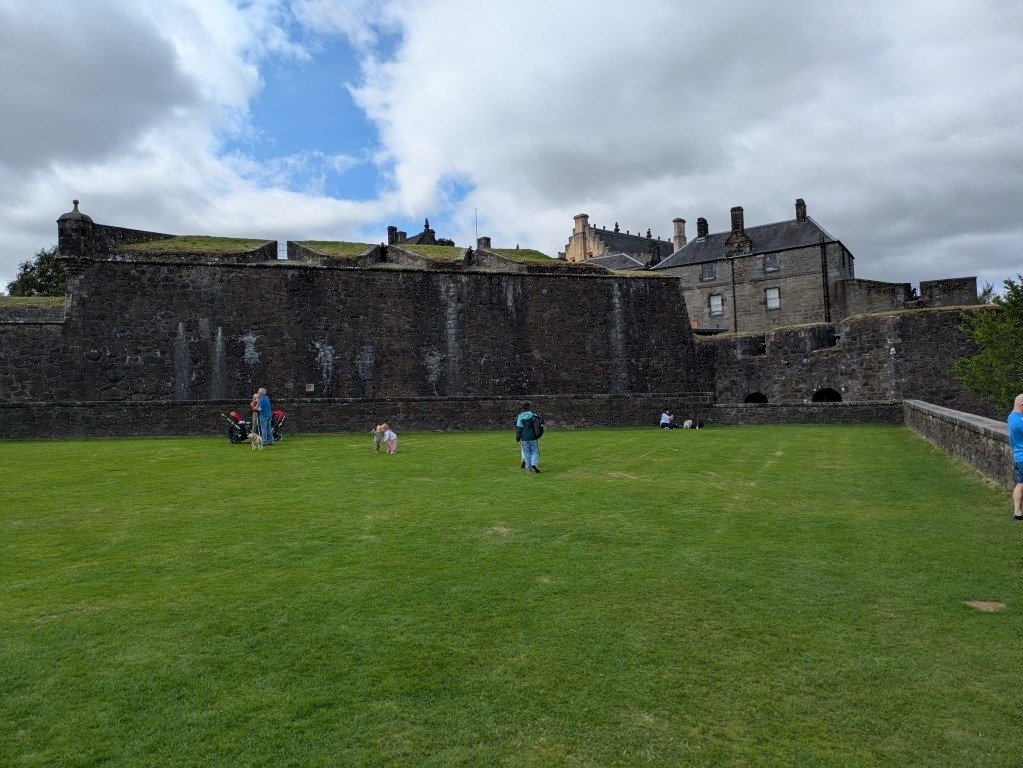
Due to spring tides we were able to pass under the bridges to get to Rosyth instead of anchoring earlier. Docked at Rosyth by 10am. Rosyth is a town in Fife, Scotland on the coast of the Firth of Forth. located 3 miles south of Dunfermline and 10 miles northwest of Edinburgh, with a population around 13,500 Rosyth is near the narrowest crossing point of the Firth of Forth. Rosyth is best known for its large Naval Dockyard. Our tour today set out at 11am with about 40 of us, heading for Bannockburn and Stirling castle. Our guide was Gavin and our bus driver Billy. Headed out over the old Forth road bridge going south then turned west towards Stirling. About 45 minutes drive took us to Bannockburn, site of the famous battle between the Scots and English in June 1314. Here about 3.2Km south of Stirling, we stopped at the visitor centre for the Bannockburn Experience and learnt all about the battle which determined the outcome of the Scottish Wars of Independence. Between June 23 & 24th the Scots under King Robert the Bruce fought the English under King Edward 2nd. Despite superior numbers, approx. 27,000 troops, the English were routed by the 8,000 strong Scottish army. This is not to be confused for the battle of Stirling Bridge in Sept 1297 when the Scots led by William Wallace of Braveheart fame, defeated the English under King Edward 1st. At the end we were able to walk out onto the battlefield to see the commemorative rotunda and statue of Robert the Bruce on his horse. By 1:30pm we were back on our bus for the short trip into Stirling, which is a city in central Scotland, 26 miles (42 km) north-east of Glasgow and 37 miles (60 km) north-west of Edinburgh. Once the capital of Scotland, Stirling is visually dominated by Stirling Castle. Population is around 37,000. A drive up through the narrow streets eventually brought us to the castle on top of the hill. The Castle is one of the largest and most historically and architecturally important castles in Scotland. The castle sits atop an intrusive crag, which forms part of the Stirling Sill geological formation. It is surrounded on three sides by steep cliffs, giving it a strong defensive position. Most of the principal buildings of the castle date from the fifteenth and sixteenth centuries. A few structures remain from the fourteenth century, while the outer defenses fronting the town date from the early eighteenth century. Our guide now gave us a tour explaining the history and buildings of interest as we moved through the outer defenses and into the main courtyard. We then had about 45 minutes to explore the main buildings which included the Kings Old Building, Royal Palace, Great Hall and Chapel Royal. The weather continued overcast but dry during our visit, with temperatures up to 20c. Back to our bus by 3:15pm for the return trip to Rosyth by a different route. The tour concluded at 4pm.
Highlight of the day: Passing under the old Forth train bridge